
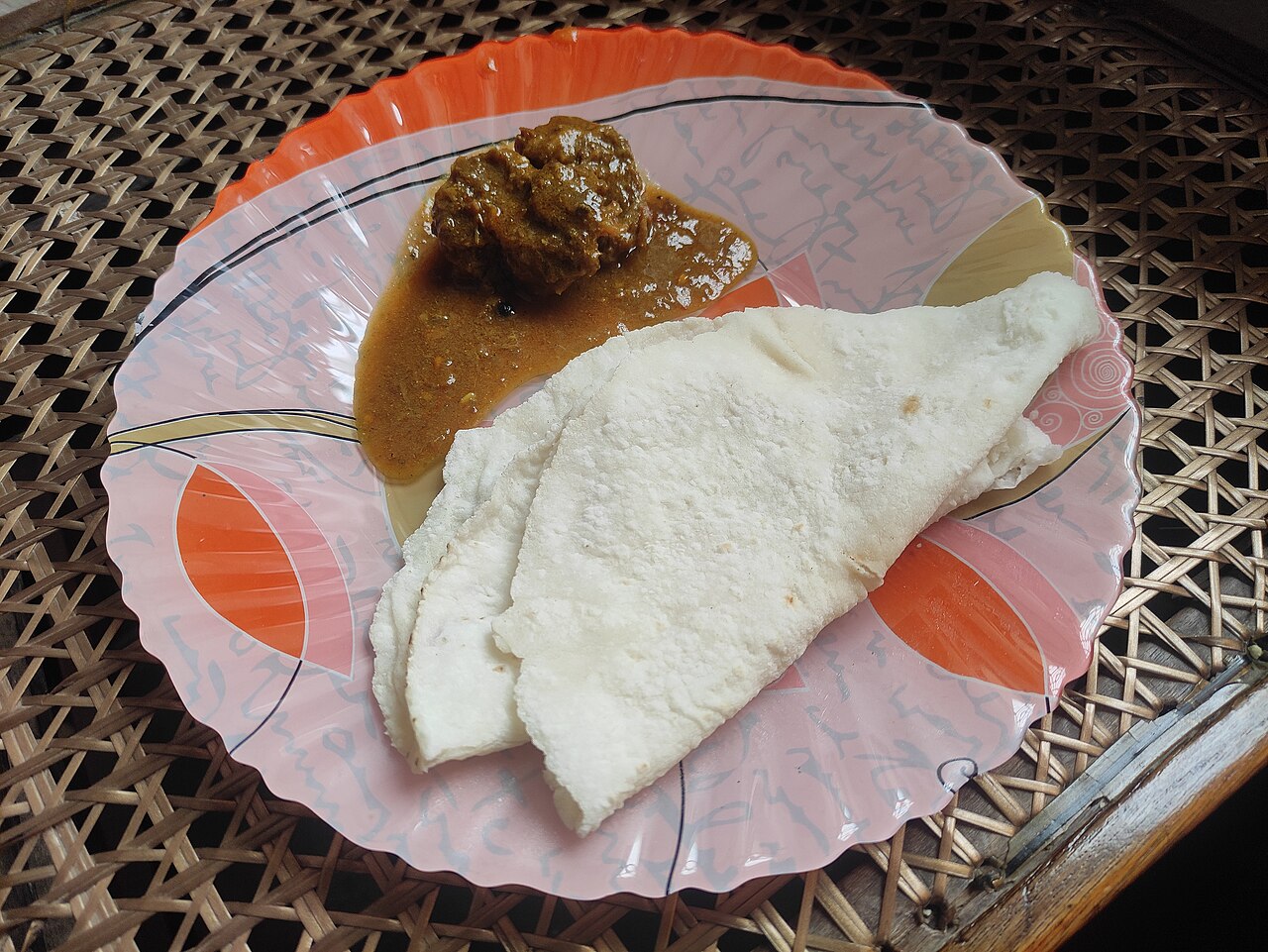
Pithali is one of Jamalpur's signature dishes: a thick, rich stew of meat, rice flour and spices, known locally also as milli, milani, myanda or menda. A report on Daily Bangladesh's lifestyle pages traces its history and how it is cooked.
There is no reliable written record of when pithali began. Local elders say it has been made for more than a century and was served at village arbitration meetings, weddings and gatherings before independence. Some suggest it began as a dish for entertaining when people settled the char lands in the eighteenth century, though the report makes clear this is not established history.
The main ingredients are meat and rice flour, usually beef, sometimes mutton or buffalo, with onion, garlic, ginger, cumin, turmeric, chilli and coriander. The meat is browned in the spices, water is added when it is partly cooked, and rice flour mixed with water is stirred in until the stew turns thick and sticky. It is finished with a tempering of fried onion, garlic and cumin. It looks a little like haleem but tastes and smells quite different.
Pithali is a dish for occasions, not every day: weddings, aqiqah, circumcisions, milad and big family events. In many parts of Jamalpur it is also served at the gathering of prayers and food held about 40 days after a death, known locally as 'bepar', where people of every background sit in rows and eat hot pithali with rice on banana leaves.
This report is based on a report on Daily Bangladesh's lifestyle pages.
Photo: Sm faysal / Wikimedia Commons (CC BY-SA 4.0)
Source: Daily Bangladesh

Comments
(0)