
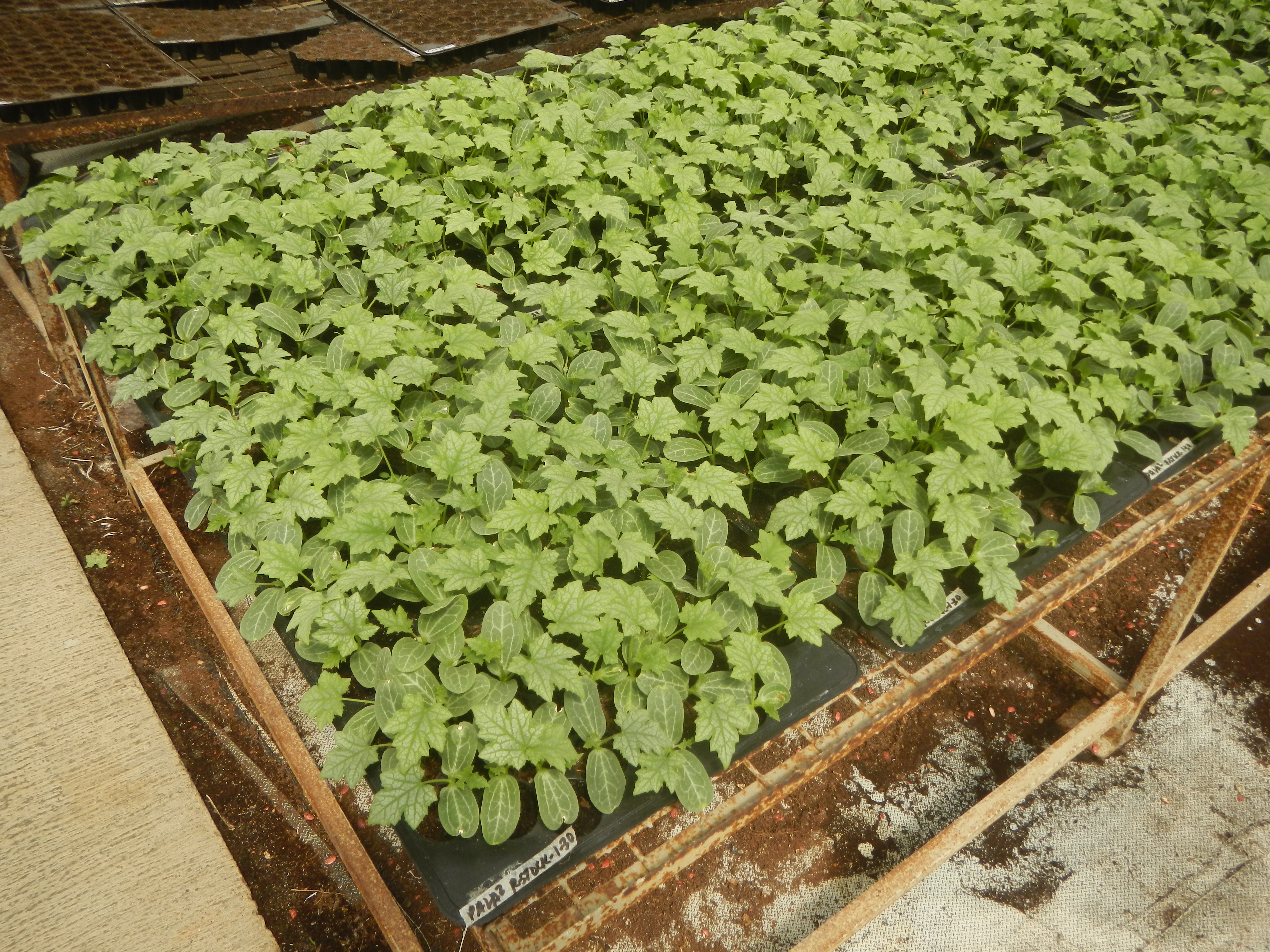
Farmers from Akkelpur upazila of Joypurhat and from neighbouring Naogaon were buying vegetable seedlings in January 2026 at a polynet house supervised by the Akkelpur upazila agriculture office, Jagonews24 reported on 13 January 2026. The house raises its seedlings in cocopeat rather than soil, under conditions in which temperature and moisture can be controlled, and farmers who had planted its seedlings before told the paper they had harvested good crops. Officers said the house had been set up under the Rajshahi division agricultural development project of the Department of Agricultural Extension (DAE), and that its aim was to introduce farmers to modern technology and help them make a profit.
According to the report, farmers from different areas came to the polynet house every day, and many who had bought seedlings there earlier had come back because of their quality. The house offered seedlings of chilli, brinjal, tomato, cauliflower and cabbage, a year-round chilli, vegetable seedlings for pots on rooftop gardens and seedlings of several kinds of flowers. Two employees worked there under the supervision of a sub-assistant agriculture officer of the upazila agriculture office.
What the farmers who bought seedlings said
Samsul Haque had come from Mathurapur union in Naogaon district to buy seedlings. "I have bought 300 seedlings of Green Ball brinjal. I will plant them on my own land," he told the paper. "I have taken seedlings from here before. The seedlings were very good, so the yield was good. That is why I have taken them again this time." Mathurapur is one of the eight unions of Badalgachhi upazila, according to Banglapedia, and Badalgachhi borders Akkelpur on its western side, so the house was drawing buyers from across the district boundary.
Farmer Khalek Hossain had come to buy chilli seedlings, which he called by the local name "jhaler pul", for the first time. "I took 500 seedlings for 1,000 taka. I will plant them on 6 decimals of land," he told Jagonews24. "If the yield is good, I will buy different kinds of seedlings from here in future."
Both farmers were buying seedlings ready to plant rather than raising their own in a seedbed. For cauliflower, for example, the Department of Agricultural Extension's crop guidance describes the usual method: seed is sown in a raised seedbed about three metres by one, the young plants are moved to a second seedbed 10 to 12 days after they come up, and 30-day-old seedlings are planted in the field. The polynet house offered farmers seedlings already raised in cocopeat under cover.
How the polynet house raises its seedlings
Abu Raihan, who looks after the polynet house, described what it sold and how the seedlings were raised. "Various kinds of seedlings are available here. Seedlings of chilli, brinjal, tomato, cauliflower, cabbage and year-round chilli are available. There are also vegetable seedlings for planting in pots in rooftop gardens. There are seedlings of different species of flowers. We use modern methods in everything," he said. "Cocopeat is used to make the seedlings. Seedlings in cocopeat do not get spoiled. These seedlings are more useful than seedlings raised in soil and give a better yield, so the farmer benefits more."
Sultan Mahmud, the sub-assistant agriculture officer of the Akkelpur upazila agriculture office who supervises the house, said quality seasonal vegetable seedlings were produced there with modern technology under the Rajshahi division agricultural development project. "Two employees work here. Farmers from the surrounding area also easily get quality vegetable seedlings from here," he said.
Imran Hossain, the Akkelpur upazila agriculture officer, explained what made the house different. "The main feature of the modern polynet house is that by controlling the temperature and moisture inside the polynet we can produce high-yielding crops," he told Jagonews24. "The aim of this project is to introduce farmers to modern technology and to help them see a profit."
The claims about cocopeat seedlings in the report were those of the house's staff. International guidance on seedling production, described in the sections below, explains what such a medium is, why nurseries use it and what care it needs.
The DAE project behind the polynet houses
The project named in the report is the Agriculture Development Project for Rajshahi Division through the Expansion of Modern Technology (RDADP), implemented by the Department of Agricultural Extension under the Ministry of Agriculture. A procurement notice issued by its project director on 4 January 2022 gave the project's period as January 2022 to December 2024 under its development project proposal. That notice invited a national consulting firm to arrange five batches of exposure visits and three batches of foreign training on crop productivity, high-value crop production and post-harvest and storage technology, in Asian countries and the Netherlands.
The project's polynet houses had been in the news before. In October 2022 Bangladesh Pratidin reported that polynet houses were a new addition to farming in Rajshahi division. The agriculture department told the paper that under a pilot programme the government was building at least one polynet house in every division, and that 21 such houses had been built in Rajshahi division. The department said winter vegetables could be grown in summer and summer vegetables in winter inside them, and that vegetables and fruit would be protected from heavy rain, severe heat, insects and viral diseases.
The house that paper described stood on 25 decimals of a nursery owner's land at Kharkhari in Paba upazila of Rajshahi. It was built with three sheds of polythene sheeting over iron angles, cost about 15 lakh taka and was expected to last about 20 years. The agriculture department bore the whole cost and the nursery owner did not have to repay it, on one condition: the seed, vegetables and fruit produced there were to be sold locally at a fair price, with a receipt book kept. The owner had begun growing in July 2022, sowing seed worth 80,000 taka, and was raising seedlings of winter tomato, cauliflower and brinjal.
The department listed capsicum, broccoli, rockmelon, yellow watermelon, coloured cauliflower, cabbage, lettuce and other off-season vegetables as crops the houses made possible, alongside seedling production. The Paba upazila agriculture officer told the paper that output in a polynet house was 20 percent higher and production costs were lower. A deputy director of the DAE in Rajshahi said the Paba house had been set up under the project and that farmers would be able to grow all kinds of vegetables throughout the year.
Other reports before January 2026 followed the same houses. The Financial Express reported in April 2023 that the agriculture department had built polynet houses for two entrepreneurs in Chapainawabganj district, one in Sadar upazila and one in Shibganj upazila. It said the covering blocked ultraviolet and other harmful rays, sprinkler irrigation replaced traditional methods, insect and pest attacks were reported to be rare so that insecticide use could be reduced, and the houses could reduce the effects of the droughts that are common in the north. In November 2024 BSS described a polynet house at Bongpur in Gomastapur upazila of Chapainawabganj as a tent-like structure with an iron frame and polythene cover, in which growers had raised seedlings of various crops, cucumbers, tomatoes and chrysanthemums, protected from drought, rain, hailstorms and severe cold.
What a net house does, and what it cannot do
A polynet house is a form of protected cultivation. The Food and Agriculture Organization of the United Nations (FAO), in its 2013 guide to good agricultural practices for greenhouse vegetable crops, notes that covering greenhouses with screens or nets instead of plastic film had become common in areas with very mild temperatures. In such screenhouses, it says, the greenhouse warming effect is minimal, because the structure confines little air and the screens let through less sunlight than plastic film; shading and protection from wind are the main effects. Screenhouses do not keep rain out, as their cover is permeable, but they can reduce the damage caused by heavy rain and hail.
The same guide warns that insect-proof screens strongly reduce the exchange of air, and that good practice requires good ventilation and good light transmission. That is why the control of temperature and moisture that the Akkelpur officer described depends on how the cover, the netting and the openings are managed through the seasons.
The Bangladesh houses described in the earlier reports were built of polythene sheeting over an iron frame, some with sprinkler irrigation. The reports linked them to two needs in the northern districts: protecting seedlings and crops from heavy rain, heat, cold, drought and insects, and producing vegetables out of their normal season.
Cocopeat: the medium the seedlings grow in
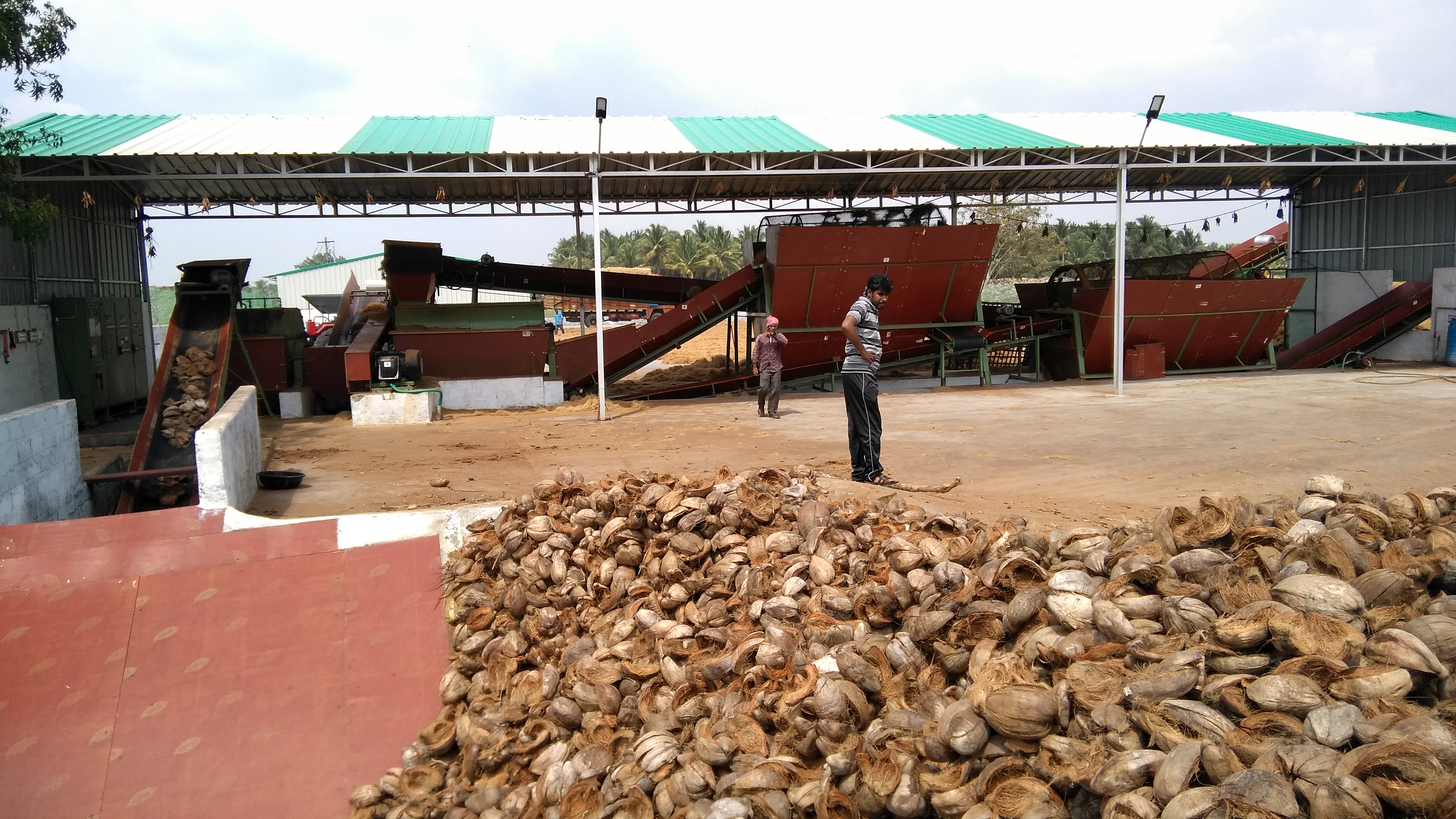
Cocopeat, also called coir pith or coir dust, is the fine material left from coconut husks. FAO's guide describes coir as a raw material that looks like sphagnum peat but is coarser, derived from the husk of the coconut and produced commercially in countries such as Sri Lanka, India and the Philippines and in Latin America. It is used mainly in the greenhouse industry as an alternative to peat.
According to the FAO guide, coir has good aeration and water-holding characteristics. Coir dust has a total pore space of 86 to 94 percent and an air-filled pore space of 9 to 14 percent, and about 35 percent of its volume is easily available water. Its typical pH is 5.5 to 6.8, and it contains significant amounts of phosphorus and potassium. Because it contains more lignin and less cellulose than peat, it resists microbial breakdown, may shrink less and is easier to re-wet after it dries out. It can be pressed into compact blocks, which makes it easier to transport from the countries that produce it.
The guide also sets out its weaknesses. Its water-buffering capacity is lower than that of peat, and the amount of air space varies considerably with the origin of the material. Coir sometimes has high levels of soluble salts, sodium and chloride: a study of 13 commercial coir wastes from six countries in Africa, America and Asia found salinity ranging from 0.4 to 6.0 dS/m. To be of good practical quality as a growing medium, the guide says, coir has to be washed during production.
For any medium used to raise seedlings, FAO advises choosing one with good air porosity and water-holding capacity, keeping its pH in the range of 5.5 to 6.5, keeping its initial electrical conductivity low, and buying it from a reliable source, because organic substrates such as coconut coir are often inconsistent in quality and vary with their origin. A farmer who wants to try cocopeat for home seedlings can ask the upazila agriculture office or the local sub-assistant agriculture officer about a suitable supply.
Seedling trays and the marks of a good seedling
FAO's guide describes how seed for transplants is sown in individual containers or in plastic flats filled with sterile growing media. Moulded plastic or Styrofoam plug trays, also called cavity trays, come in various sizes with tens to hundreds of cells, each of which raises one seedling with its own block of medium. The guide advises choosing the tray to suit the crop, the irrigation method and the equipment, sterilising reused trays with steam or a disinfectant, rinsing them thoroughly and letting them dry before use, and limiting the reuse of seedling trays to two or three times, because reuse increases the risk of carrying disease.
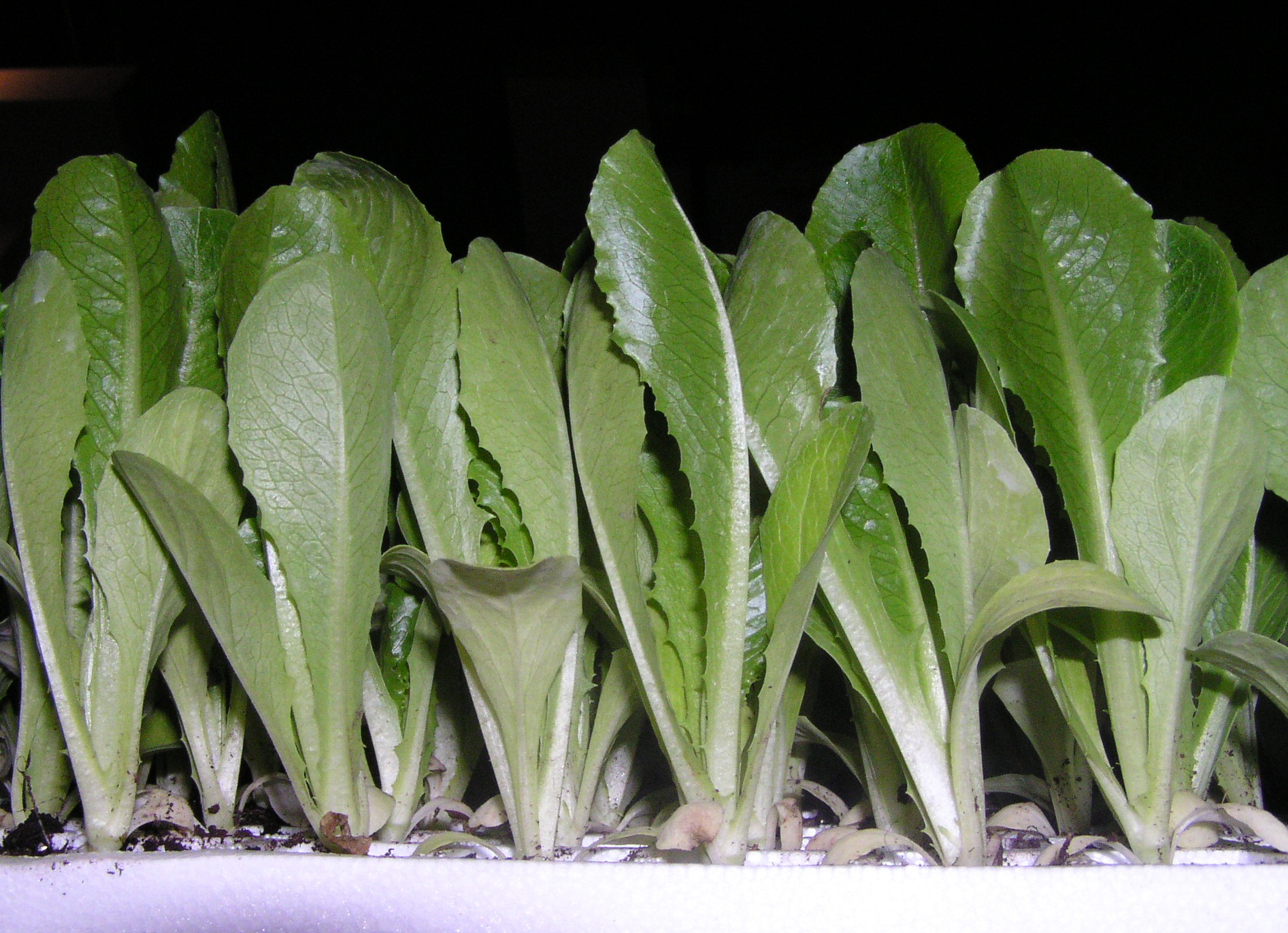
A good transplant, in FAO's words, is generally stocky, green and pest-free with a well-developed root system, and once planted it should tolerate the change of environment and keep growing. The guide lists the qualities to look for:
- freedom from diseases and pests, which it calls the most important characteristic;
- the ability to survive unfavourable conditions after transplanting;
- a good shape for planting;
- a well-developed root system;
- no yellowing or dead tissue on the leaves.
The guide warns that seedlings that are overly hardened or under-fed may establish slowly, delaying the crop and reducing the yield, while seedlings that are not hardened enough or are over-fertilised may succumb to disease or stress. It recommends avoiding wetting the foliage, inspecting seedlings regularly and discarding infected plants. It also notes a worldwide trend towards separating seedling production from crop production: specialised nurseries with the right facilities raise the transplants, and it is often cheaper for growers to buy them than to produce them, which is the service the Akkelpur house was offering to farmers in January 2026.
Growing the crops the house sells: DAE guidance
The Department of Agricultural Extension's agro-meteorological information portal (BAMIS) gives farmers summary guidance for each of the crops the polynet house sold seedlings of, and some of its pages cite the Krishi Projukti Hatboi of the Bangladesh Agricultural Research Institute (BARI) and the Krishi Diary of the Agriculture Information Service.
Brinjal: BARI's released varieties include BARI Begun-1 to BARI Begun-10, BARI hybrid brinjal-3 and 4 and BARI Bt brinjal-1 to 4, and local varieties such as Islampuri, Khotkhotia, Nayan Kajal, Dim Begun and Shingnath are also grown. Seed for the winter crop is sown from late August to mid-October, and for the rainy-season crop from early January to mid-April. About half a gram of seed is needed for each decimal, and the field is prepared in beds about one metre wide and eight inches high. Light irrigation is given for three or four days after transplanting. The yield, depending on the variety, is 200 to 250 kilograms per decimal.
Chilli: BARI Morich-1 can be grown all year, BARI Morich-2 suits summer and BARI Morich-3 suits winter. Seed is sown from 15 February to 15 March for the kharif-1 season, from 15 July to 15 September for kharif-2, and in September and October for the rabi season. Seedlings are planted 24 to 28 inches between lines and 12 to 16 inches apart in the line. In the rabi season the seedbed has to be covered to protect the seedlings when the temperature falls below 15 degrees Celsius. One hundred grams of green chilli contain 125 milligrams of vitamin C, according to the same page.
Cabbage and cauliflower: cabbage seedlings are usually transplanted 30 to 35 days after sowing, or when they have five or six leaves and are 10 to 15 centimetres tall, normally in the afternoon, at a spacing of 24 by 18 inches, which needs about 150 seedlings per decimal. For homestead gardens, which need few plants, the DAE page advises buying seedlings from a reliable nursery. Cauliflower is planted with 30-day-old seedlings, taking care that the roots are not twisted or bent, and the young plants are shaded for the first few days against strong sun. BARI Phulkopi-1 (Rupa) matures in about 100 days and BARI Phulkopi-2 in about 65 days, according to the sixth edition of BARI's Krishi Projukti Hatboi, published in September 2017; seed is sown from mid-August to mid-October and seedlings are planted from mid-November to December.
Tomato: the DAE page lists Bahar and BINA Tomato-2 and 3 as summer varieties; BINA Tomato-8, 9 and 10 and BARI Tomato-1, 2 and 3 as winter varieties; and BINA Tomato-7 and BARI Tomato-4 and 5 as varieties that can be grown all year.
The DAE pages also name pesticides for each crop's pests and diseases. This report does not repeat them: farmers should take advice on any pest or disease problem from the upazila agriculture office or their sub-assistant agriculture officer, and should read the label and wear protective clothing when spraying.
Akkelpur and Joypurhat
Joypurhat is a district of Rajshahi division covering 1,012.41 square kilometres, with five upazilas: Akkelpur, Kalai, Khetlal, Joypurhat Sadar and Panchbibi. It was a sub-division of Bogra district until 1984, when it became a district. Its rivers include the Little Jamuna, Tulsi Ganga and Harabati. At the 2011 census it had 913,768 people, and agriculture was the main source of income for 69.51 percent of people, according to Banglapedia.
Akkelpur upazila covers 154.94 square kilometres and is bounded by Joypurhat Sadar and Khetlal upazilas to the north, Adamdighi upazila of Bogra to the south, Dhupchanchia upazila of Bogra to the east and Naogaon Sadar and Badalgachhi upazilas of Naogaon to the west. The Tulsi Ganga, Chiri and Nagar rivers run through it. It has one municipality, five unions (Gopinathpur, Tilakpur, Raikali, Rukindipur and Sunamukhi) and 145 villages. Akkelpur became a thana in 1972 and an upazila on 15 February 1983. Its population at the 2011 census was 137,619.
Farming is Akkelpur's main livelihood: agriculture was the main source of income for 66.08 percent of people, and Banglapedia records the share of landowners as 61.79 percent and of the landless as 38.21 percent. The main crops are paddy, jute, wheat, mustard, potato, onion, garlic and vegetables, and the main fruits are mango, jackfruit, litchi, banana, papaya and palm. Jute, banana, onion and garlic are sent out of the upazila. The upazila has 20 hats and bazars, among them those of Akkelpur, Jamalganj, Gopinathpur, Tilakpur, Roykali and Sunamukhi.
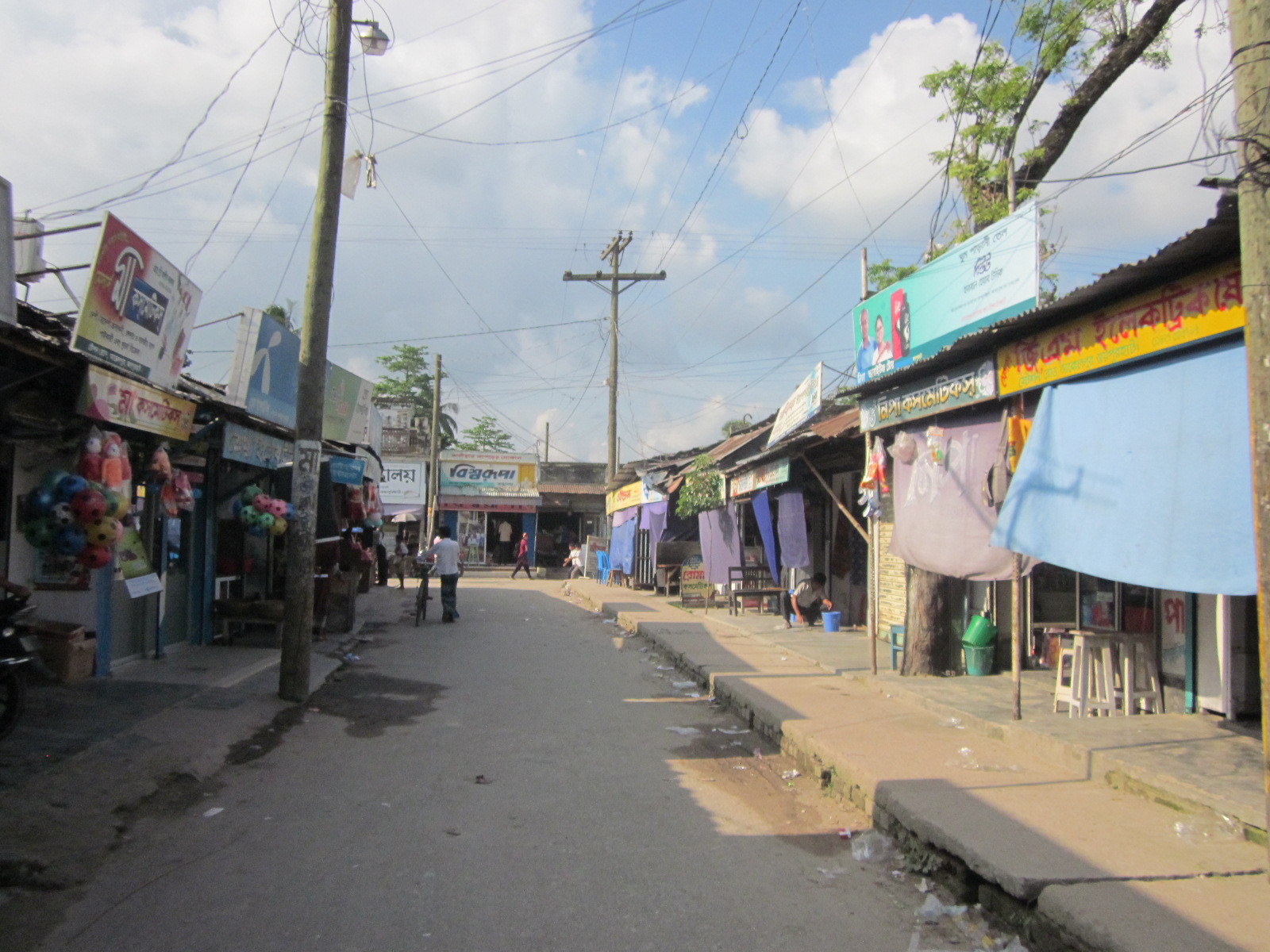
Photo: Judgefloro / Wikimedia Commons (CC0)
Sources: Jagonews24, Bangladesh Public Procurement Authority (RDADP notice, January 2022), Bangladesh Pratidin, The Financial Express, BSS, FAO (Good Agricultural Practices for greenhouse vegetable crops, 2013), Department of Agricultural Extension (BAMIS crop pages), Banglapedia
Comments
(0)