
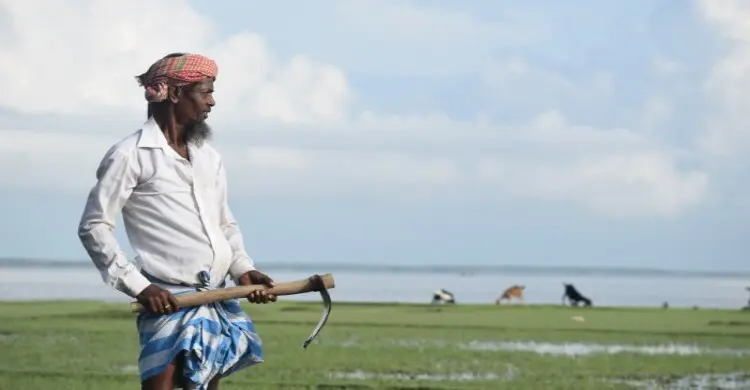
Before dawn, a farmer walks along a misty dirt track with a plough on his shoulder and two bullocks beside him. A few decades ago this was an everyday scene in rural Bangladesh, where farming was a way of life built on labour, patience and closeness to nature. Agriculture has since moved from the age of the plough to the age of machines, and the story is about people's lives, relationships and feelings as much as technology.
Customs that are fading
In the 1980s farming was bound up with rural beliefs and rituals. Scarecrows stood in fields as symbols of crop protection; when the new rice came in, small ceremonies or pujas were held and alms given to the poor. On special days draught cattle and buffaloes were not worked but bathed, rubbed with oil and fed well, and those who helped with ploughing were treated to good food as thanks. Many of these customs are disappearing in the era of mechanised farming.
From labour to machines
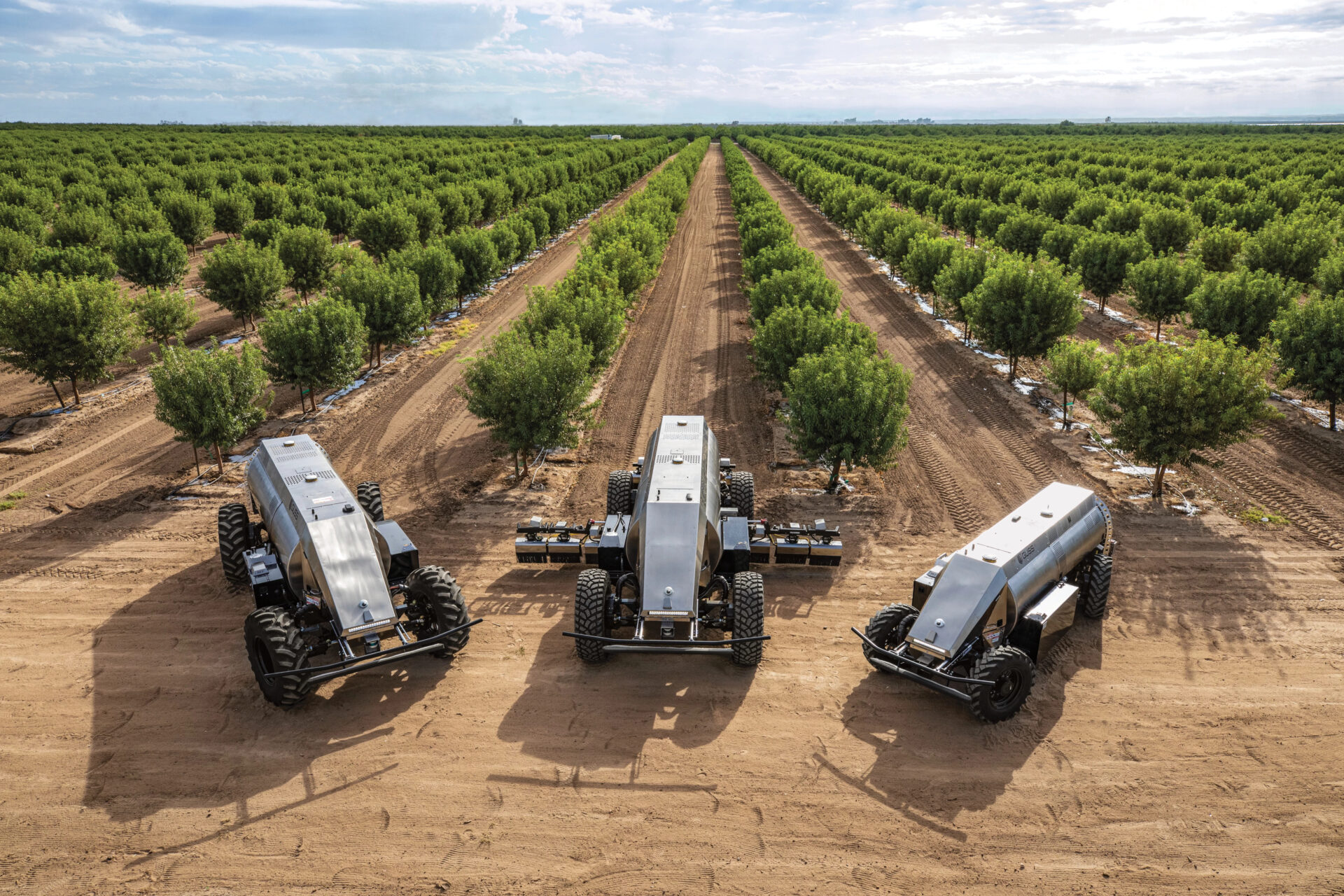
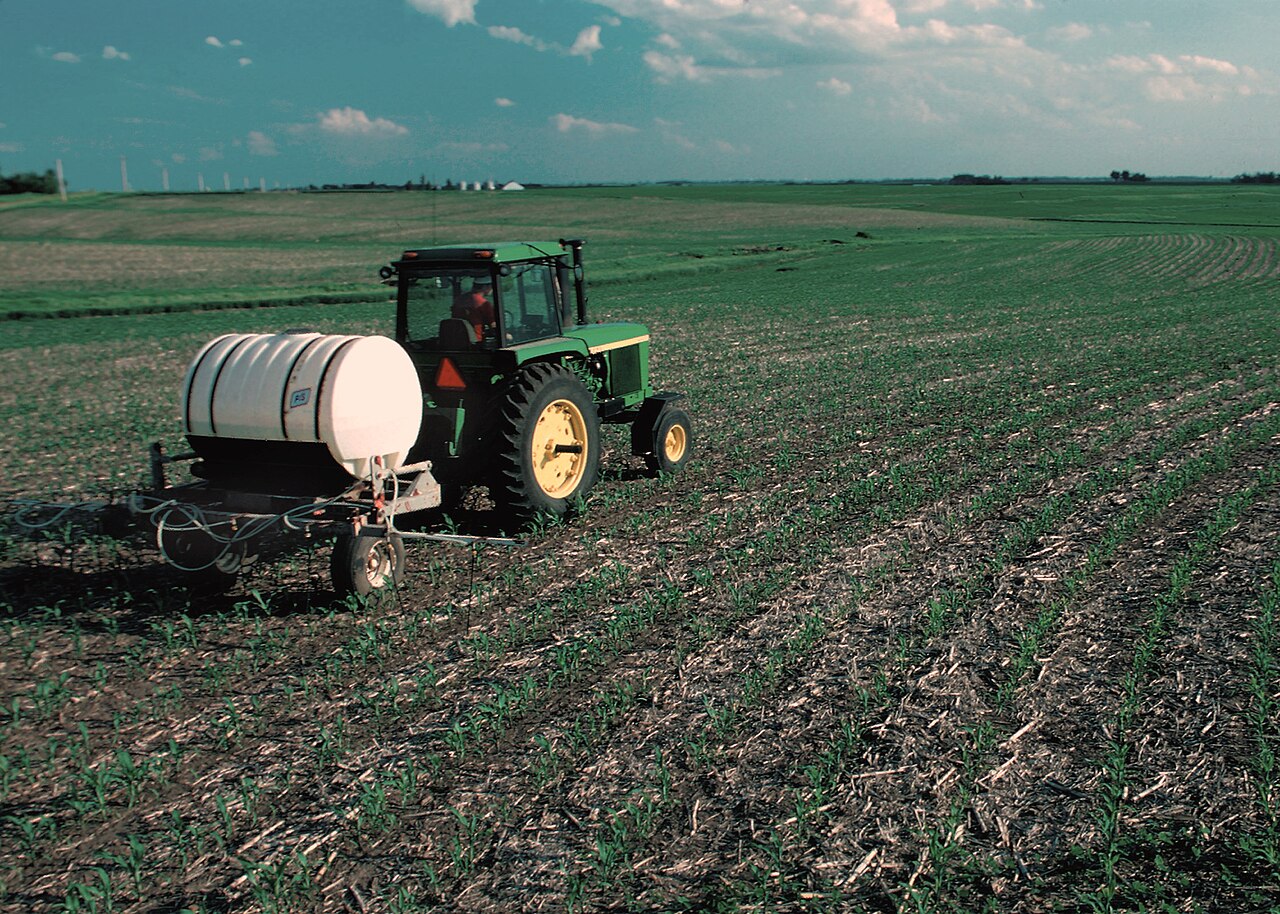
Farming then relied on the plough and bullocks, and tilling one bigha took a long time with the whole family involved. Today tractors, power tillers and combine harvesters have taken over, and technology is used from tillage and sowing to harvesting, so larger areas can be farmed with less time and labour.
Irrigation has changed too. Many farmers once depended on rain and read the clouds anxiously, growing local varieties of rice, wheat and pulses from seed they saved themselves. Deep tube wells, electric pumps and solar-powered irrigation now make farming far more reliable, and improved seed and chemical fertiliser have raised output considerably.
What has been lost and gained
Harvest time used to bring neighbours together to cut, bundle and stack rice, followed by shared meals and laughter; farming was also a social bond. Now most work is done by machines and hired labour, and people go their separate ways afterwards. Costs have also changed: in the 1980s incomes were limited but so were costs, while today improved seed, fertiliser, pesticide, irrigation and machinery have raised output along with investment pressure, and uncertain market prices weigh on farmers.
Yet farmers have never stood still. They have adopted new technology and methods, machines hum in the fields, farm information arrives by mobile phone and farmers are eager to try new crops. At its heart, the writer says, farming is still a story of soil, hard work and hope.
Source: Jagonews24. First published in Bengali on The Agro News.
Comments
(0)