
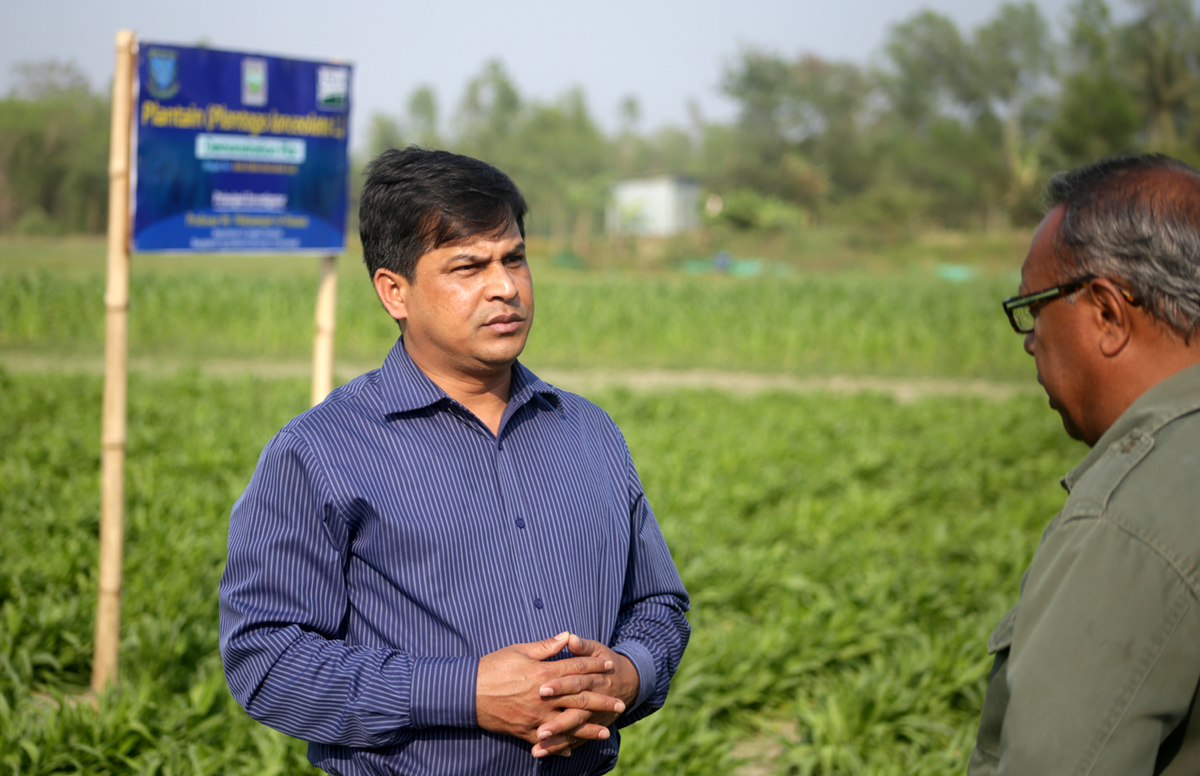
Plantain, a medicinal herb whose leaves relieve pain, is mentioned in Shakespeare's Romeo and Juliet. It spread from Europe to America, Canada and New Zealand, where native people called it "white man's footprint". New Zealand dairy farms have long used it as cattle feed.
From Japan to Manikganj
Shykh Seraj first saw plantain leaves in June 2009 at Iwate University in Japan, where young Bangladeshi researcher Dr Al Mamun was doing postdoctoral research on antibiotic-free animal feed. Plantain grows mainly in cold countries, and Dr Mamun dreamed of growing it in Bangladesh. In late March this year, at Gilando in Manikganj, he showed that he had done it.
The problem with growth promoters
Antibiotic growth promoters for fattening cattle came into use in Bangladesh in the 1980s and have increased many times since. Synthetic antibiotics seriously reduce animals' immunity and pass into eggs, milk and meat, harming human health. The European Union and other developed countries banned antibiotics in animal feed from 1 January 2006, and research showed medicinal plants could be an alternative.
What plantain does
Former Bangladesh Livestock Research Institute (BLRI) director general Dr Khan Shahidul Huq said plantain can be used as a supplement feed, rich in antioxidants, vitamins and minerals, improving milk and meat quality and quantity, raising haem iron in meat, and offering an alternative to antibiotics. Dr Mamun said small amounts mixed into normal feed (1 per cent for poultry, 4 per cent for sheep, 5 to 10 per cent for cattle) reduce heat stress and increase protein synthesis, improve meat yield and taste, and raise milk production. Mohammad Rahat and Ahmed Hridoy of the university's animal nutrition department showed plantain-fed chicken with redder, less fatty meat than chicken on commercial feed. Local farmers who fed it to cattle reported encouraging results.
How it is grown
Dr Mamun chose winter for cultivation. Plantain tolerates 6 to 24 degrees Celsius, with the most medicinal value at 20 degrees. Seed is broadcast in early November and grows in any soil without special care; the first cut comes 45 to 55 days after sowing and then every month. Production costs are low.
Why it matters
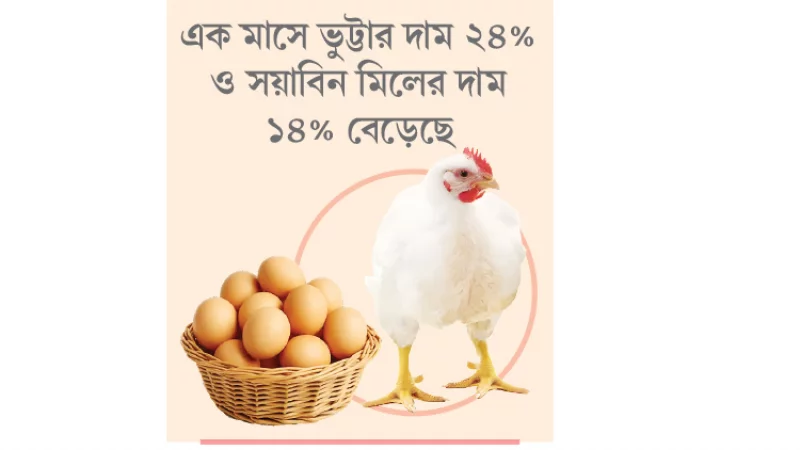
Farmers told the "Agriculture Budget, Farmers' Budget" programme that feed prices are pushing dairy farms into losses; in Manikganj, straw costs more than paddy, at 10 taka a bundle. Dr Mamun says demand for plantain among farmers is already high. Like hydroponic fodder, plantain offers hope, and Seraj urges effective government steps to produce it.
Source: Shykh Seraj. First published in Bengali on The Agro News.

Comments
(0)