
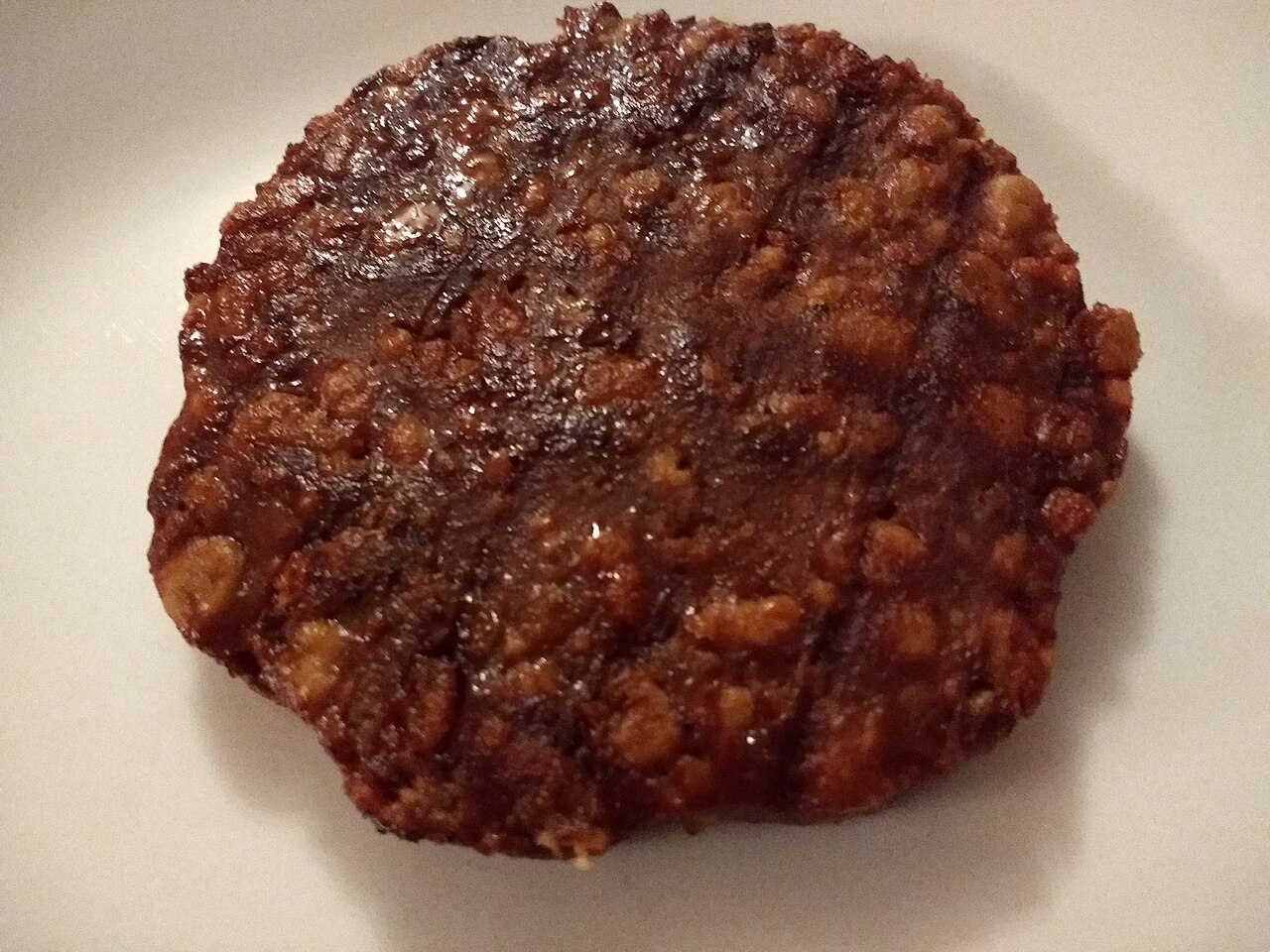
Plant-based meat may be recovering from its downturn, with sales of meat and seafood substitutes up 8.1% between 2024 and 2025 according to Euromonitor International, but the way these products are made is changing, FoodNavigator reported. Rather than building dedicated alternative-protein plants, companies are increasingly using contract manufacturers, shared infrastructure and repurposed assets.
"Brand-owned facilities come with fixed capital costs that are harder to spread when production volumes are low," said Priyansha Reddy of the Good Food Institute Europe, adding that this can push up prices and suppress demand further. Some firms still run their own plants, such as Vivera in the Netherlands, Planted in Switzerland and the Vegan Food Group in Germany, while startups and smaller brands are much more likely to use contract or shared capacity, particularly for new product lines.
With contract manufacturing, "the brand pays per kilo produced rather than covering the plant's full fixed costs," Reddy said, turning capital and operating costs into variable ones that move with sales. Luke Townsend of New Leaf Foods said a single plant able to emulsify, mix, extrude, form, coat, steam, fry, cool, freeze and pack products needs substantial investment, a heavy load for a young brand with low volumes. Contract plants offer existing equipment, food safety systems and skilled staff, and run several companies' products through the same lines, keeping machines busy.
Shared sites spread fixed costs over more production runs and suit plant-based foods made in batches, Townsend said, but they carry a risk of cross-contamination, for example egg or dairy from vegetarian lines reaching vegan products, or allergens such as soy and wheat. Managing that needs segregation, cleaning and allergen controls that can add cost. Many meat-processing machines, including mixers, formers, coaters, cookers and packaging lines, can be used for plant-based products with little or no change, he added.
Photo: Mx. Granger / Wikimedia Commons (CC0)
Source: FoodNavigator

Comments
(0)