
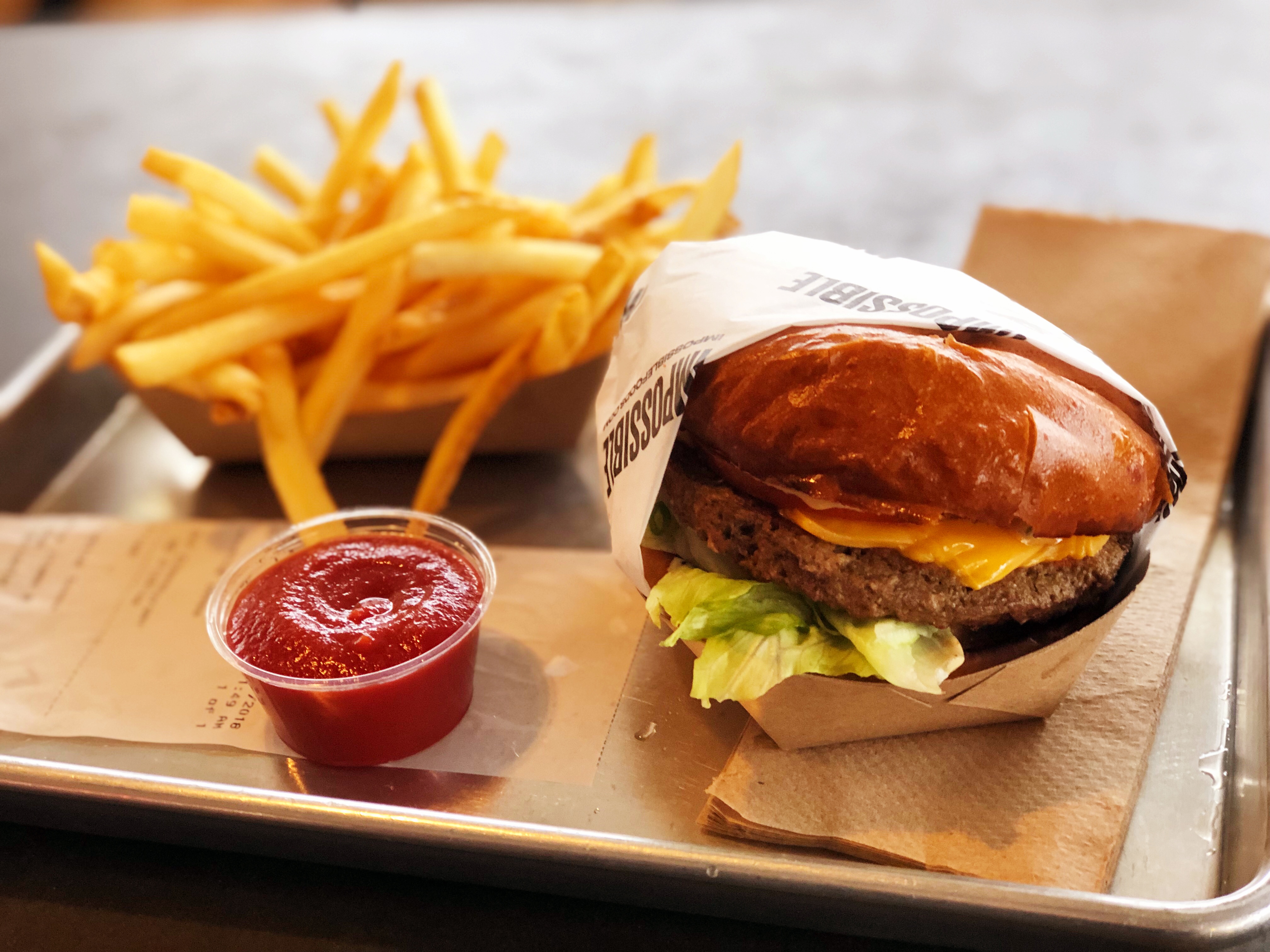
On 14 May 2019 BBC Bangla reported that the day may not be far off when shops sell artificial meat that looks, smells and tastes like the real thing and even 'bleeds' like it. Experts were saying so, the report said, as meat-free food became widely available in some countries.
Concern was growing about how people's diets affect the environment and health, the report said, and so was interest in vegetarian eating. Vegan, or plant-based, versions of many meat products, such as vegan sausage rolls and vegan burgers, were coming onto the market.
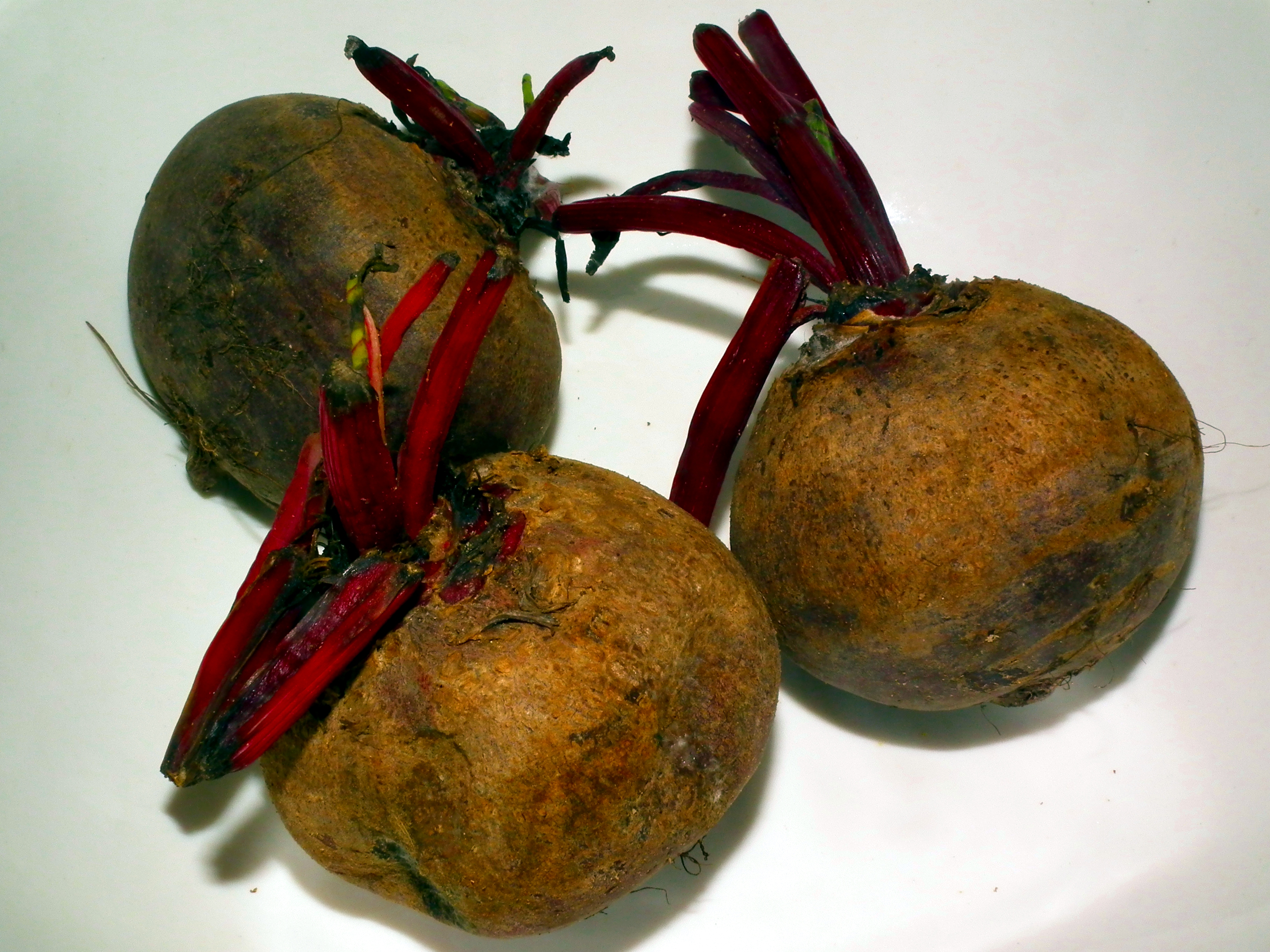
Plant protein for the 'meat', beetroot for the 'blood'
As the BBC described them, these meat-free products look like traditional meat and smell and taste like it too. They were being made from plant proteins, usually from wheat, peas or potatoes, and the 'blood' came from beetroot juice.
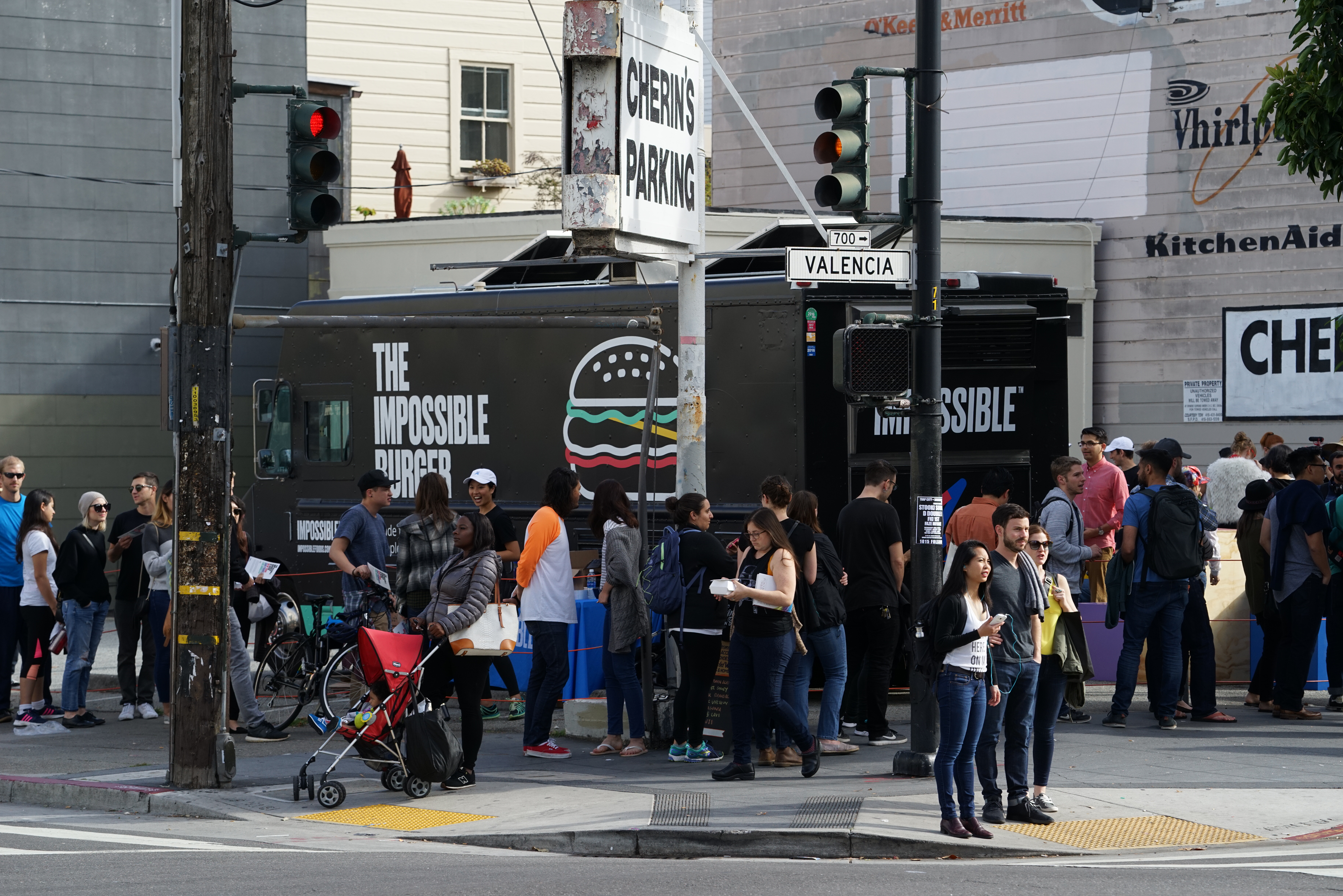
The colour and flavour of beef come from an animal component called heme. BBC Bangla reported that the American company Impossible Foods had made a plant-based heme, which the company believed would give artificial meat the look of the real thing.
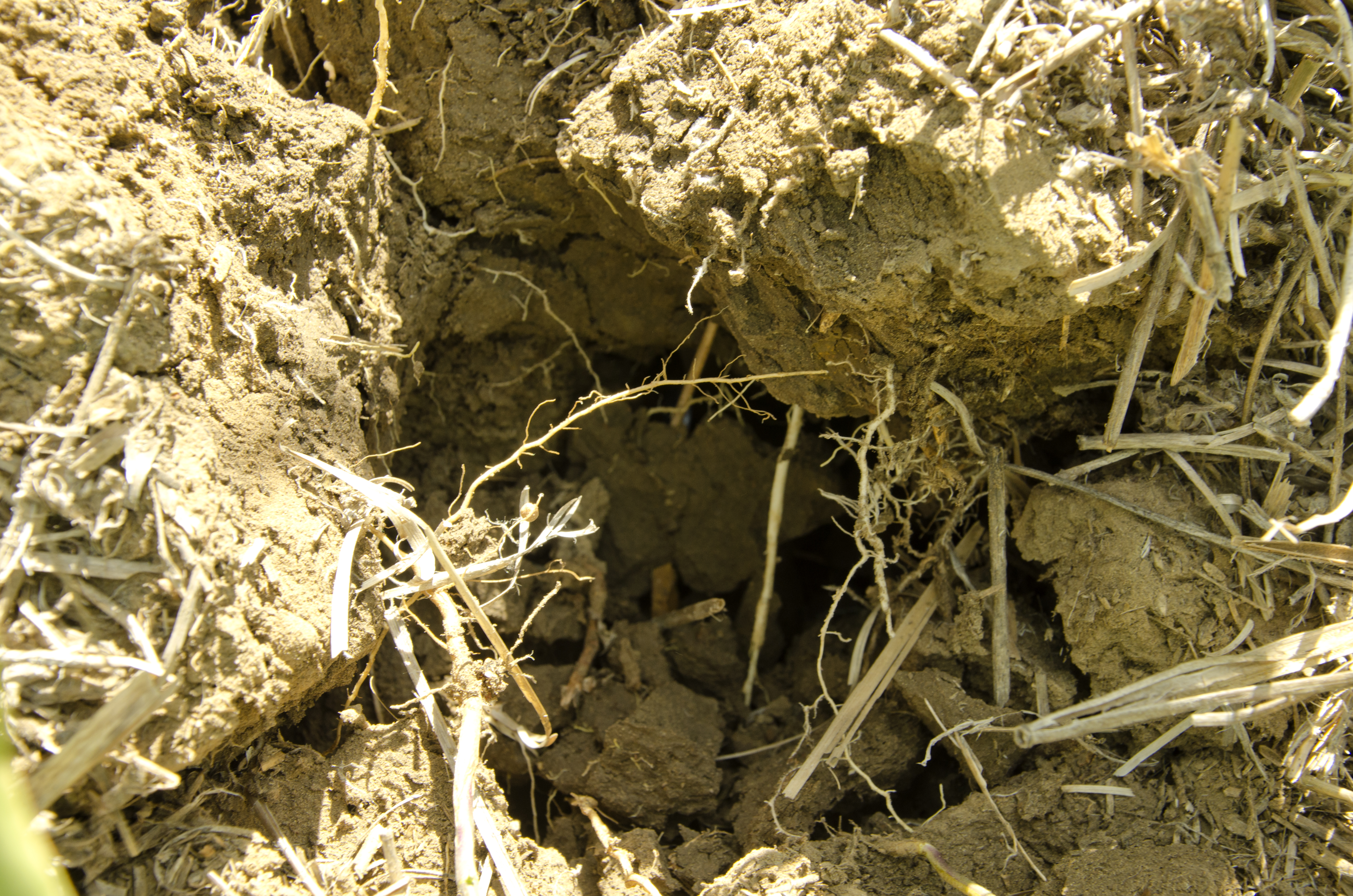
Impossible Foods' heme comes from soybean root nodules
In a notice to the US Food and Drug Administration (FDA), Impossible Foods, based in Redwood City, California, said its ingredient is a protein called soy leghemoglobin, which is found in the root nodules of the soybean plant. The company makes it with a yeast, Pichia pastoris, and said it would add no more than 0.8% soy leghemoglobin protein to its ground beef alternatives to give them their flavour. According to the company, once cooked and digested, this protein and the myoglobin in animal meat release the same heme molecule.
According to the FDA's records, on 23 July 2018 the agency told Impossible Foods it had no questions about the company's conclusion that the ingredient is generally recognised as safe for its intended use, while noting that some uses might require a separate listing as a colour additive.
Meat grown from animal cells
Scientists were also making meat in laboratories from animal stem cells, BBC Bangla reported. Their goal was meat that would be almost impossible to tell apart from the real thing when cooked or eaten.
The first big demonstration came in London on 5 August 2013. BBC News reported that day that Professor Mark Post's team at Maastricht University in the Netherlands had taken stem cells from cow muscle tissue, grown them into small strips of muscle and combined these into a patty, which was cooked and tasted by food critics at a news conference. Google co-founder Sergey Brin funded the £215,000 ($330,000) research. That burger, too, was coloured red with beetroot juice.
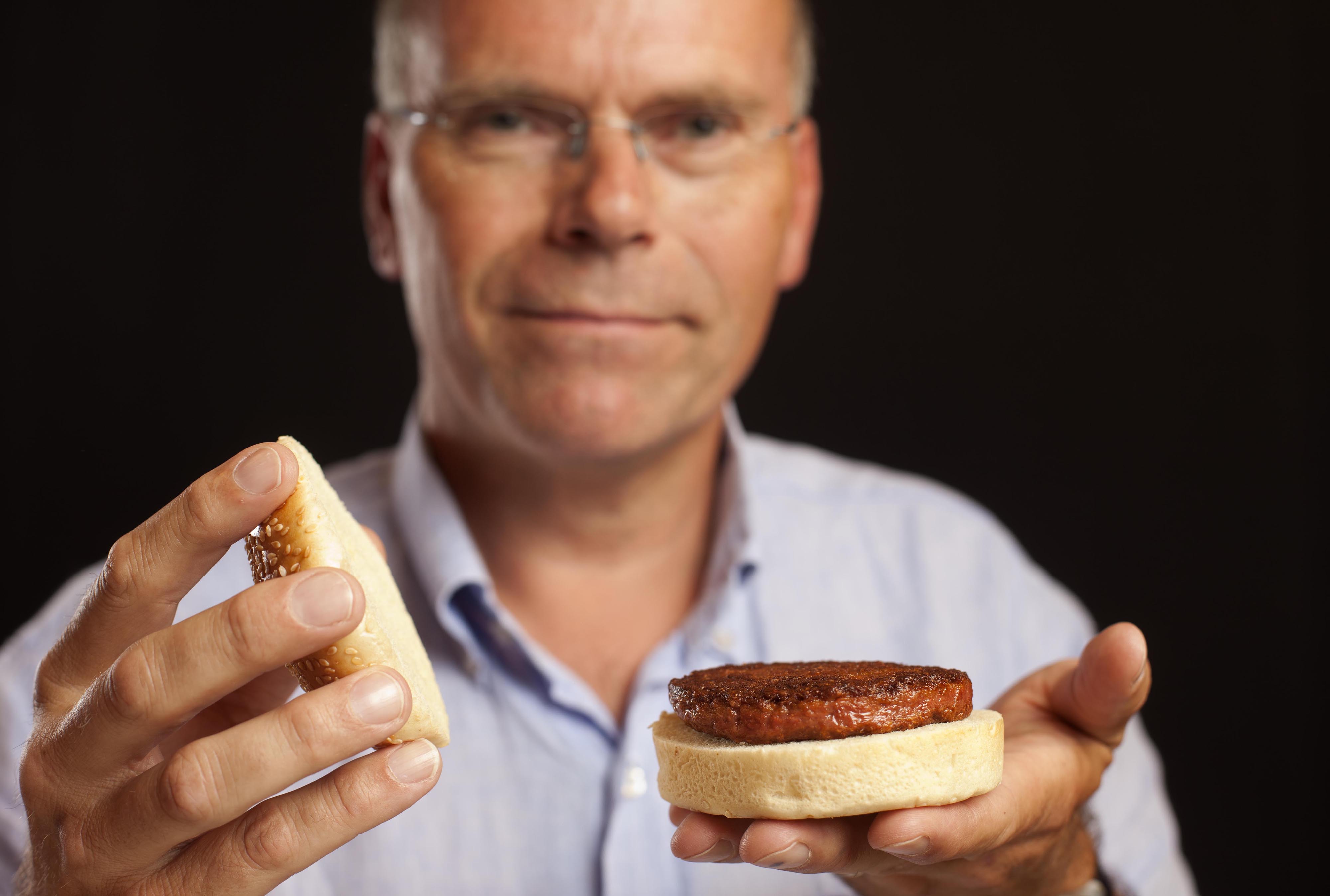
A company called JUST said it hoped to bring laboratory-grown chicken to US supermarkets before the end of 2019, BBC Bangla reported, though it would need permission from the FDA. A few weeks earlier, on 7 March 2019, the US Department of Agriculture's Food Safety and Inspection Service (FSIS) and the FDA had announced a formal agreement to jointly oversee human food made from the cells of livestock and poultry. Under it, the FDA oversees cell collection, cell banks and cell growth, and the FSIS takes over at the harvest stage and oversees production and labelling.
Some supermarkets in the West already had meat-free sections, BBC Bangla said, but food made with laboratory-grown meat had not yet reached shops or restaurants and was expected within a few years. Even with approval, many believed that people's aversion to laboratory-grown meat, the 'yuck' reaction, would be a major obstacle.
The environmental case for alternatives
The environmental concern the BBC mentioned can be put in figures from the UN Food and Agriculture Organization's 2013 assessment, Tackling Climate Change Through Livestock. The FAO estimated the livestock sector's emissions at 7.1 gigatonnes of CO2-equivalent a year, 14.5% of human-induced greenhouse gas emissions, with beef production contributing 41% and cattle milk 20% of the sector's emissions.
Photo: Missvain / Wikimedia Commons (CC BY 4.0)
Sources: BBC Bangla, US Food and Drug Administration (FDA), US Department of Agriculture (USDA), BBC News, UN Food and Agriculture Organization (FAO)
Comments
(0)