
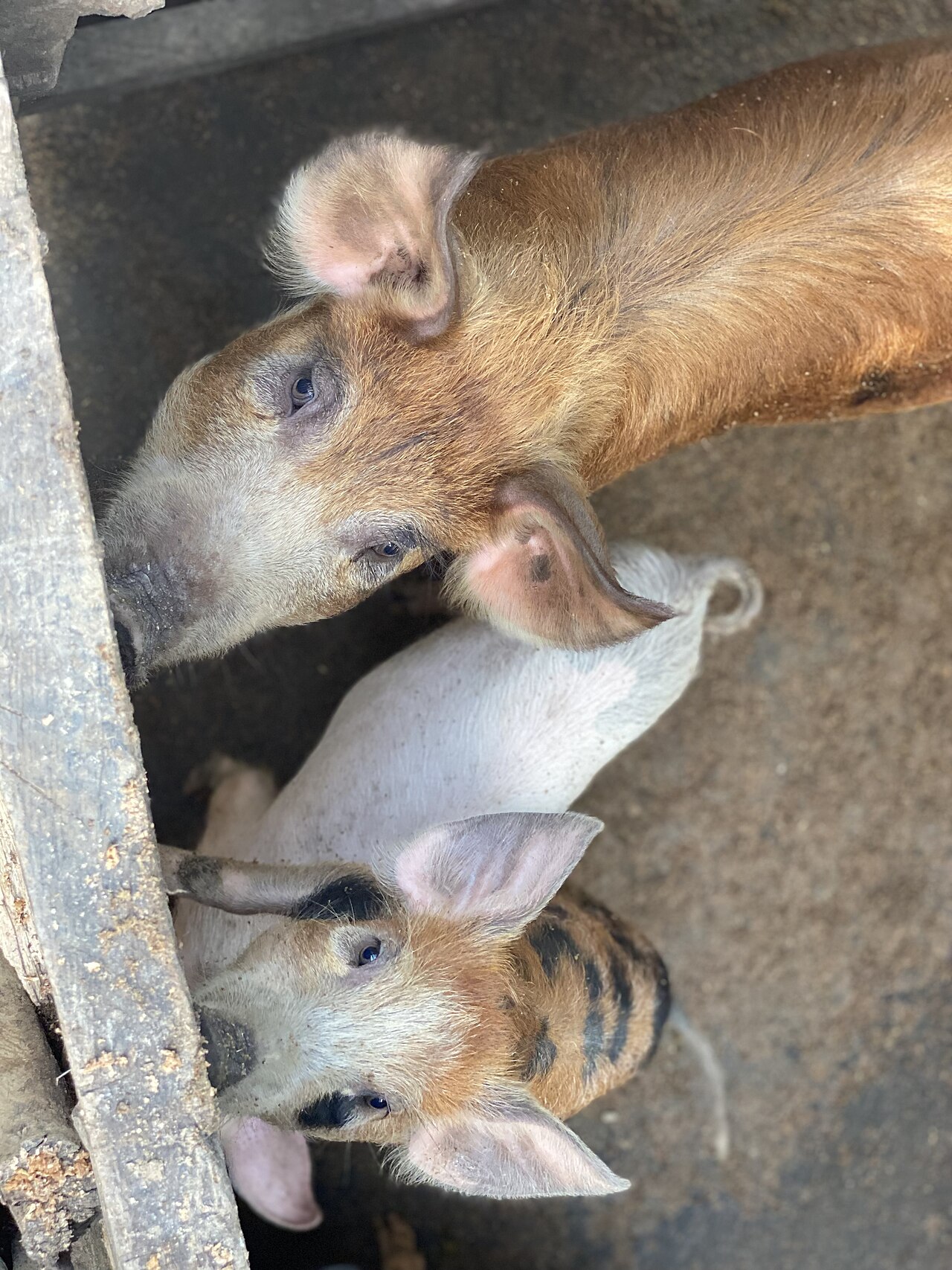
Pig farming has grown among small-scale farmers, but many do not consider the animals' nutritional needs, writes Shane Brody, who works in an outreach programme that transfers skills to communal farmers, in Farmers Weekly South Africa. Feeding pigs only bran, unbalanced swill or scraps seldom gives decent growth, and poor diets leave pigs open to disease and opportunistic infections. His guide sets out basic needs rather than exact rations.
Piglets should start on a sweet, milky creep feed in small amounts from seven days old, so that weaning is not a shock. Weaners, which have just lost their mother's milk, need the best feed on the farm, high in protein and easy to digest, offered in small, frequent meals with clean water, and must be kept warm and dry; stress kills weaners, and mistakes show up as diarrhoea, thin pigs and deaths. Growers should eat as much as they want, because this is where growth turns into money.
Finishers can move to cheaper feed with less protein and more maize and energy. This stage is about 60% of the feed bill, so waste hurts, and over-fat pigs are penalised at the abattoir. Gilts must not get fat, since fat gilts breed poorly and develop leg problems; feeding extra for two weeks before mating can increase litter size.
Pregnant sows need bulky, high-fibre feed that fills them up but limits energy: about 2 kg a day for the first three months if the sow is in good condition, rising to 3 kg in the last month as the piglets grow fast. Fat sows have birthing problems and crush piglets, while thin sows give small litters. A lactating sow with 12 piglets can need 8 kg a day, or she loses condition, may not come on heat and produces smaller litters later. Boars should be neither fat nor thin.
The rule of thumb is that the more a pig is growing or milking, the better its feed must be, while animals that only need to keep condition can have cheaper, limited feed. Water supply should be checked daily, because slow drinking puts the whole operation at risk. Brody adds that nutrition is only part of the picture: vaccination, iron injections for piglets, deworming and biosecurity matter too.
Photo: Adesolive / Wikimedia Commons (CC BY-SA 4.0)
Source: Farmers Weekly South Africa

Comments
(0)