
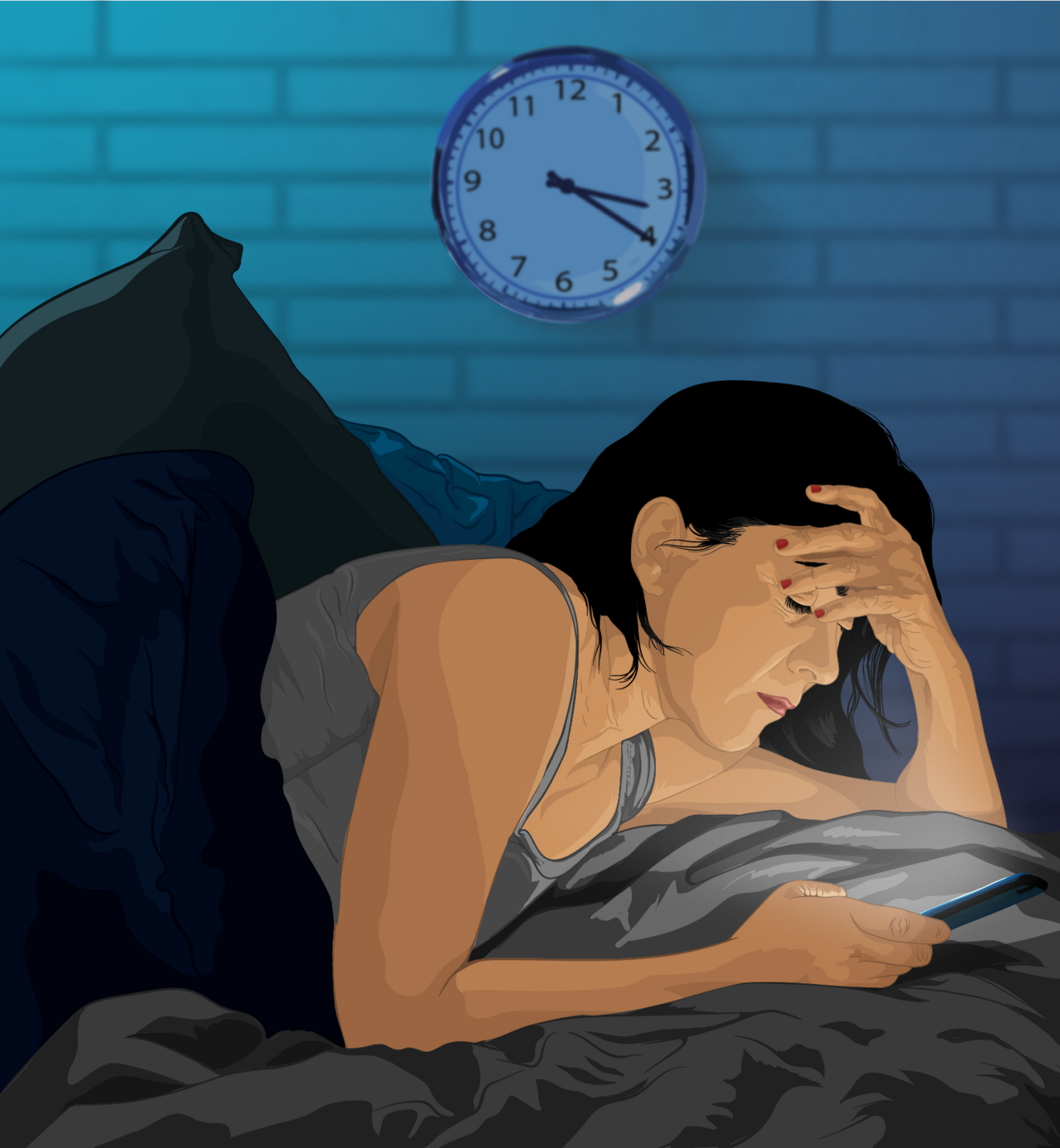
People spend much of the day with a smartphone, yet the device hardly ever turns up in their dreams. Scientists analysing the Sleep and Dream Database found smartphones or similar technology in only 1 to 5 percent of dreams.
A recent analysis of dreams described by 16,000 people found phones mentioned in 3.55 percent of women's dreams and 2.69 percent of men's. Technology appeared somewhat more often in younger people's dreams than older people's, but was rare overall.
Dream researcher Dr Kelly Bulkeley, director of the database, said it is surprising that something so nearly universal appears so seldom, since dreams usually reflect waking experiences and feelings. One explanation researchers offer is that what appears in dreams depends on its emotional weight: the phone itself is not emotional, but the people we reach and the things we see through it are.
That, Dr Bulkeley suggests, is why dreams more often feature a phone that is lost or broken than one working normally, because losing a phone causes more anxiety.
Another explanation is the compensation hypothesis. Professor Caroline Horton, an expert on sleep and brain activity at Lincoln Bishop University, says that if something worries us during the day but we have no chance to think it through, the brain may process it in sleep; someone who spends eight hours at a computer may not need to dream about it as well.
Even when a phone does appear, its screen often shows meaningless scribbles, and the same happens with reading or typing in dreams. During dreaming, Professor Horton says, the brain becomes more creative and emotional and pays less attention to logic and detail.
Scientists think the sleeping brain builds and reorganises connections linked to memory, learning and emotional control. Dreams may not be meant to replay every detail of the day, but to step away from it and sort through feelings and experiences. The report is by the Ajker Patrika desk.
Photo: myUpchar / Wikimedia Commons (CC BY-SA 4.0)
Source: Ajker Patrika




Comments
(0)