
Peru's agricultural health agency, SENASA, has temporarily suspended the sale, distribution and use of pesticides containing five active ingredients, chlorpyrifos, methomyl, glyphosate, imidacloprid and clothianidin, on food crops grown for the domestic market. The foreign trade association ComexPerú said on 7 October that the measure only partly complies with the court order behind it, according to a report by the agricultural news outlet Agraria.pe.
The suspension follows a ruling by the Second Chamber of Peru's Constitutional Court, announced on 24 July 2026, in a case brought by a consumer association from Apurímac and other groups. The court found that weak state oversight of pesticide residues in food sold at home violated rights to health, a healthy environment and consumer protection, declared an "unconstitutional state of affairs", and ordered the suspension along with a technical and scientific re-evaluation of the five substances.
SENASA put the order into effect with a directorial resolution signed on 9 September and published in the official gazette El Peruano on 30 September. The resolution calls the measure precautionary, temporary and reviewable, says it does not cancel existing product registrations, orders a published list of registered products containing the five substances, and tells regional offices to step up inspections of warehouses, farms, shops and transport and to seize non-compliant stock with specialised prosecutors.
ComexPerú says the resolution does not name the SENASA unit that will lead the re-evaluation, does not say how the agency will meet the court's 90- and 180-business-day deadlines, and offers growers no alternative products in the meantime. By its own estimate, not an official count, the five ingredients are used against about 80 pests in 52 crops, including rice, maize, potato and tomato.
The association also noted that, by its account, neighbouring Bolivia has not restricted any of the five, and Ecuador, Chile and Colombia have not banned glyphosate, imidacloprid or clothianidin. It warned that an expected El Niño could raise pest pressure on affected crops this season.
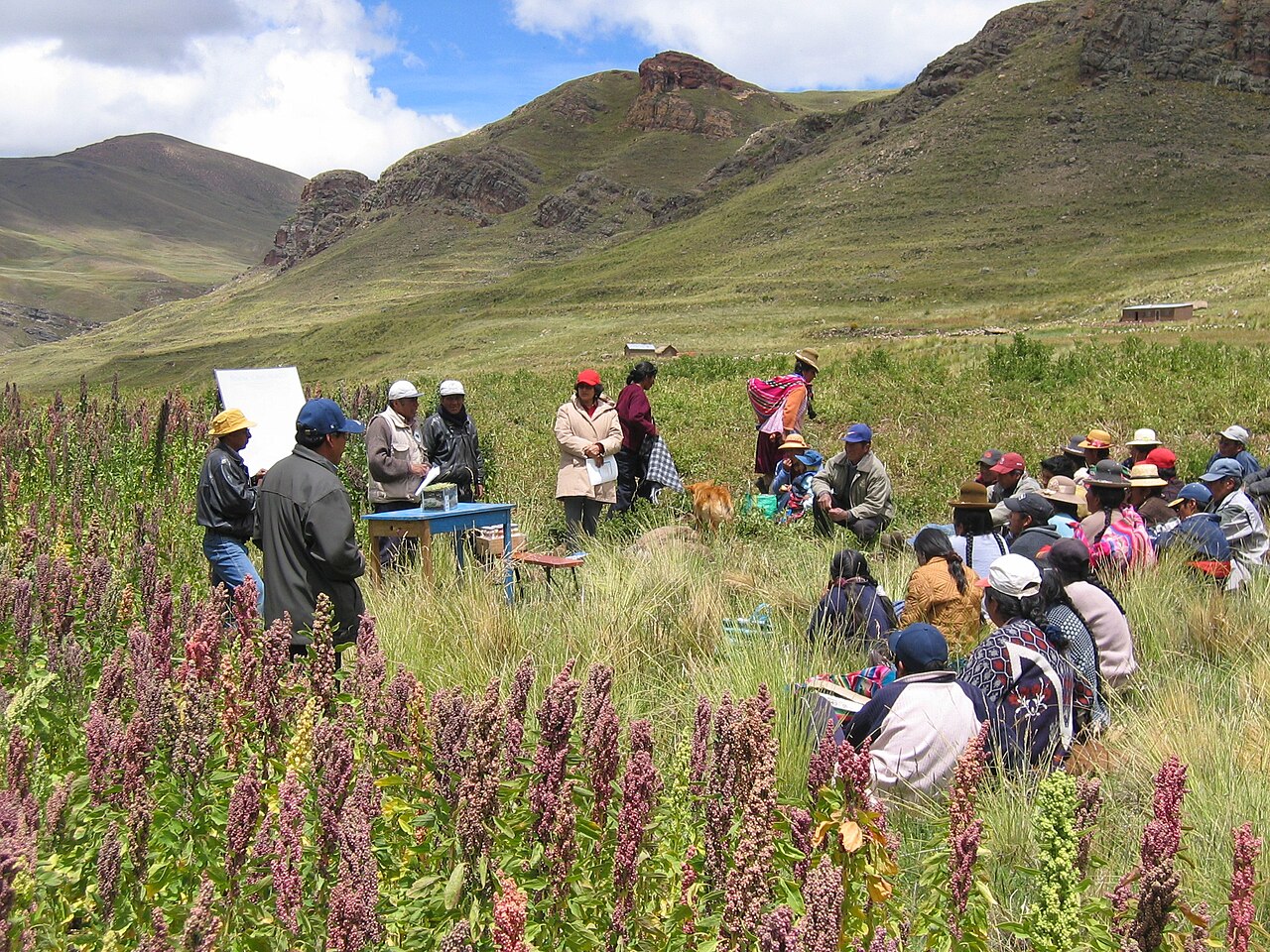
Photo: Crops for the Future / Wikimedia Commons (CC BY-SA 3.0)
Source: Global Agriculture



Comments
(0)