
One in three adults in Pakistan has some form of mental or behavioural disorder, according to the country's first national survey of its kind. Citing a report in Pakistan's Dawn on Sunday, 18 October, Ittefaq reports that at least 32 per cent of adults currently have such a disorder, and 38 per cent have had one at some point in their lives.
The survey collected data from about 18,000 adults in four provinces between 2018 and 2022. The researchers call it the largest and most comprehensive survey yet of mental health in Pakistan. The results were recently published in the British Medical Journal.
One in five participants showed symptoms of post-traumatic stress disorder (PTSD). More than 10 per cent had depression, and 6 per cent had thought of suicide in the previous month.
Rates were higher among older people, those with less education and those from low-income households, and also among the unemployed and people who were widowed, divorced or separated. The researchers say these conditions seriously affect family life, social relationships and ability to work.
The study was led by Professor Raza ur Rehman of Hamdard University, with Brighton and Sussex Medical School in the UK, the University of South Florida in the US and several psychiatric institutions in Pakistan. The Pakistan Bureau of Statistics helped select the sample.
Professor Raza ur Rehman said the survey shows who is most at risk, where help is most needed and how large the treatment gap is. He hopes the findings will help build effective mental health policy and services and reduce stigma.
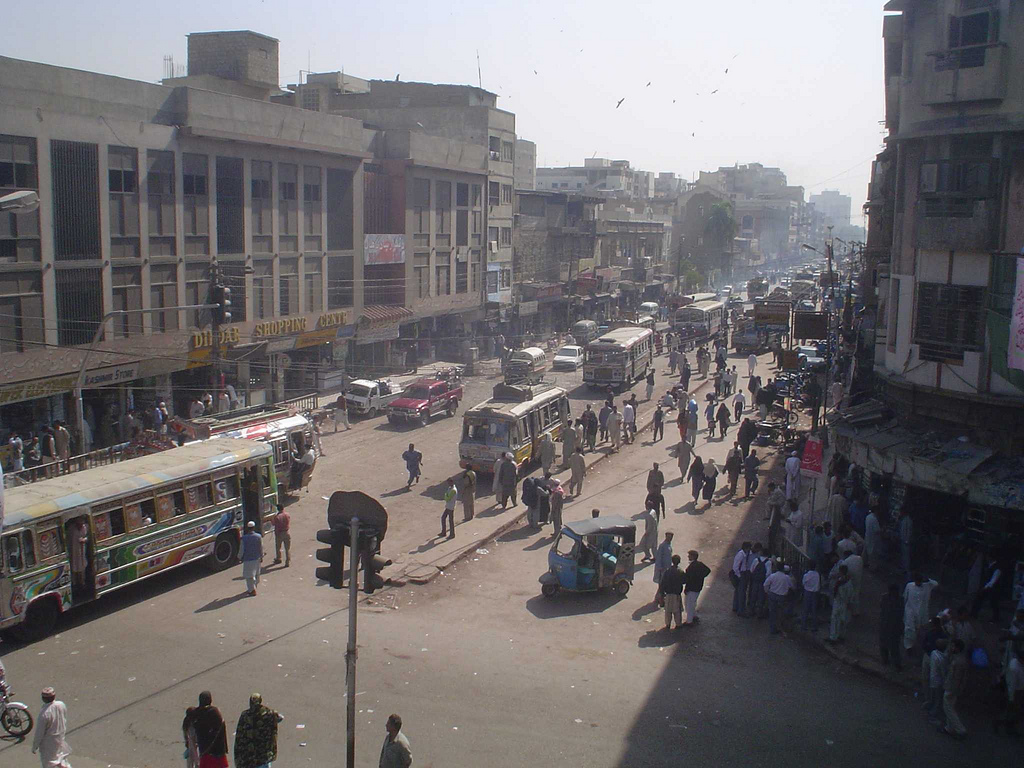
Photo: Greg / Wikimedia Commons (CC BY 2.0); a street in Karachi
Source: Ittefaq

Comments
(0)