
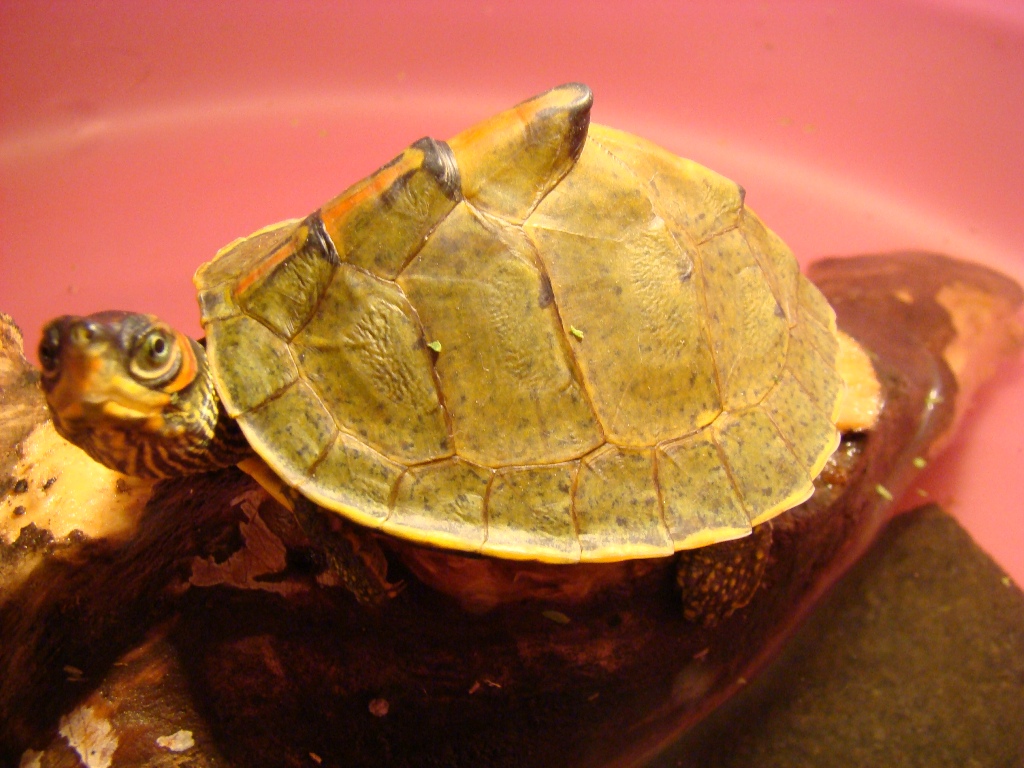
At least 9,046 turtles were seized in Bangladesh in the six years from 2021 to September this year, according to the Forest Department's Wildlife Crime Control Unit (WCCU). Of these, 7,685, about 85 per cent, were seized from 2024 onwards. The Daily Star published the figures on World Reptile Awareness Day, 21 October.
Seizures numbered 557 in 2021, 225 in 2022, 579 in 2023, 1,678 in 2024 and 3,220 in 2025, with 2,787 in the first nine months of this year. More seizures do not necessarily mean trafficking rose at the same rate; stepped-up enforcement and better detection may also explain the increase.
The species seized most often is the Indian roofed turtle, at least 2,316 in six years, followed by the Indian flapshell turtle at 1,237. Both are listed as Vulnerable on the IUCN global Red List.
On 27 September, 1,163 Indian roofed turtles were found in the luggage of a Malaysia-bound passenger at Hazrat Shahjalal International Airport in Dhaka. On 2 July the WCCU seized 1,104 exotic animals from a house in Dhaka's Rupnagar, including 1,096 turtles of five species.
WCCU inspector Abdullah As Sadiq said local collectors take turtles from wetlands, middlemen pass them on, and international gangs smuggle them to China, Thailand, Malaysia, Vietnam and Myanmar. Demand for meat and for exotic pets drives the trade, and the ringleaders often stay out of reach.
WCCU director Mohammad Mizanur Rahman said four of the most trafficked freshwater species are protected under the Wildlife (Conservation and Security) Act 2026, so buying, selling or keeping them without permission is an offence. Professor M Abdul Aziz of Jahangirnagar University's zoology department said stronger technical capacity and specialised training for customs officers were needed.
The report is by Khengsapru Marma of The Daily Star.
Photo: Keyurkarnik / Wikimedia Commons (CC BY-SA 3.0)
Source: The Daily Star



Comments
(0)