
Farm waste — cow dung, poultry droppings, fallen leaves, crop residue and kitchen scraps — can be turned into organic fertiliser simply, cheaply and profitably. It replaces chemical fertiliser, restores the soil and keeps waste out of the ditch.
Why make it
- Fertility: organic matter and nutrients that keep soil productive for years.
- Environment: less chemical fertiliser, less pollution of soil and water.
- Yield: balanced nutrition and healthier, more resistant plants.
- Cost: made from what the farm already throws away, far cheaper than bought fertiliser.
- Soil structure: better water-holding, better root growth, more earthworms and microbes.
- Waste: nothing wasted; everything returned to the land.
The materials
- Animal waste: cow, poultry or sheep dung and urine.
- Crop residue: straw and stubble of rice, wheat and maize; dried grass for carbon.
- Kitchen and market waste: spoiled fruit, vegetable, potato and banana peel.
- Leaves: neem, bakain and other dried leaves; bark.
- Additives: lime to correct pH, earthworms for vermicompost.
Compost
Layer green and dry material with dung in a pit or heap, keep it moist, turn it every two or three weeks; in two to three months it is dark, crumbly and odourless.
Vermicompost
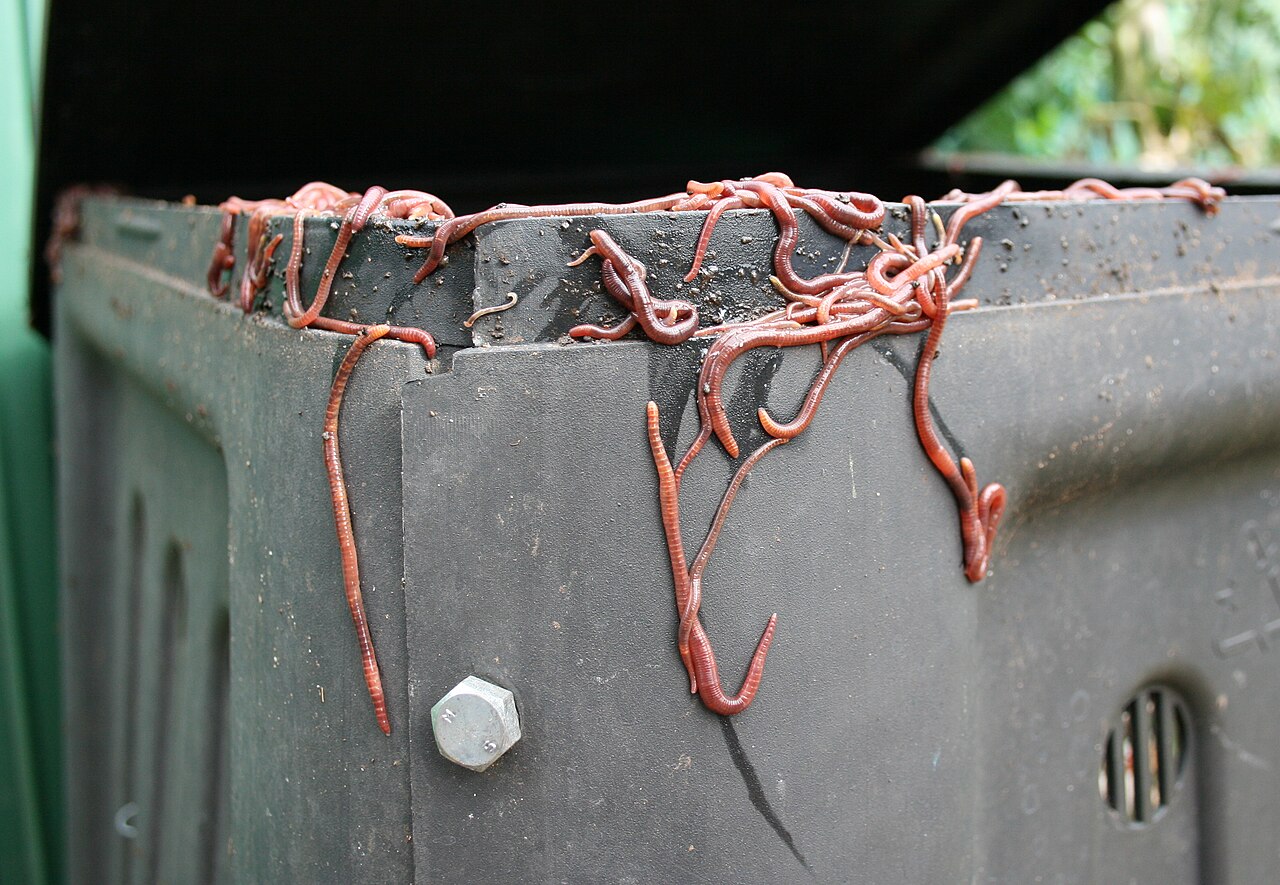
Feed partly rotted material to Eisenia worms in a shaded bed or ring; harvest the castings in 45–60 days.
Apply 3–5 tonnes a hectare at land preparation, and the field feeds itself.
Photo: Compost worms (Eisenia fetida) — Toby Hudson / Wikimedia Commons (CC BY-SA 3.0)

Comments
(0)