
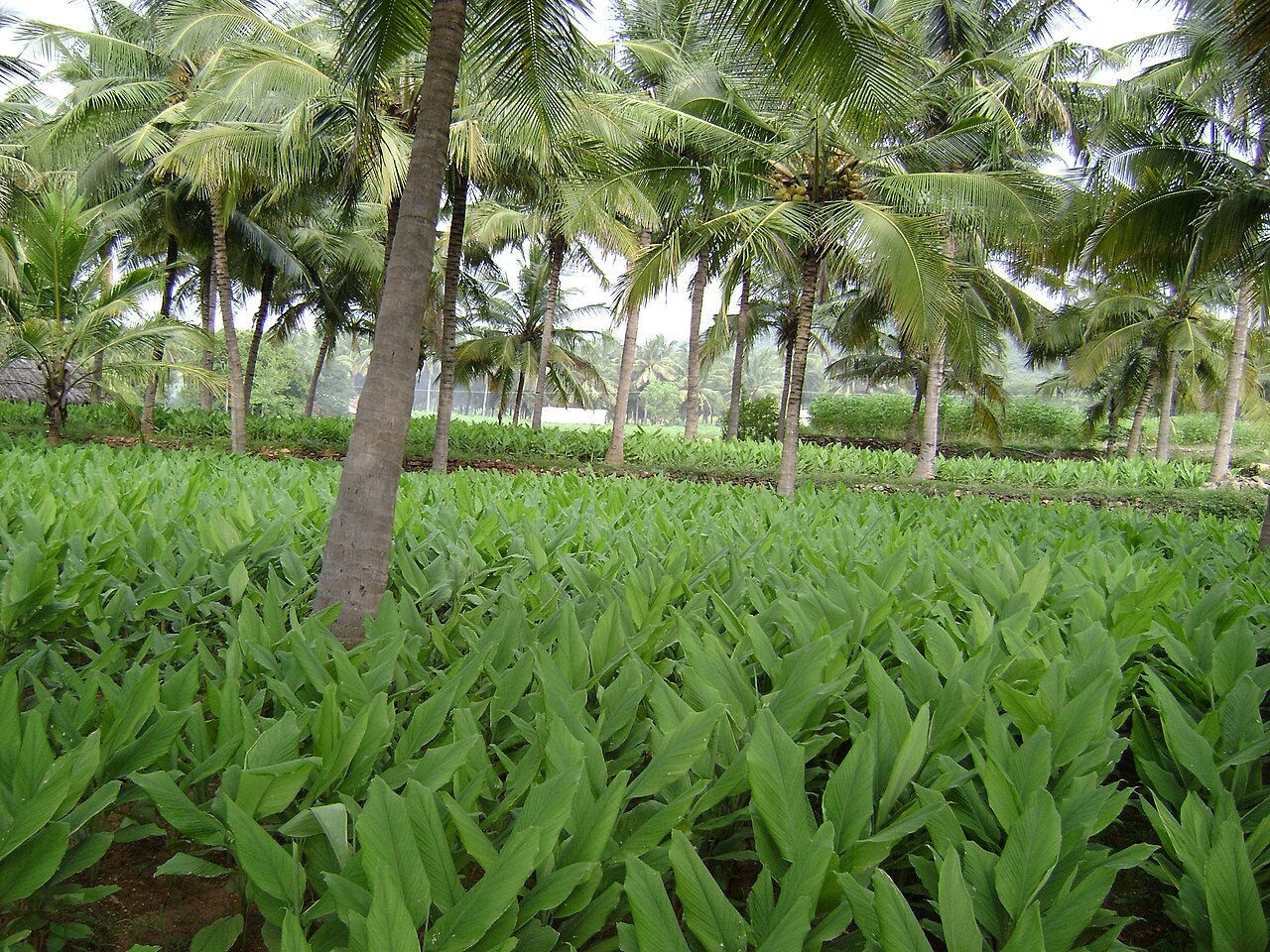
When Barsha Agarwal stepped onto family land in Kanpur in 2020, it had endured years of chemical farming and she had, in her words, no know-how at all. Today the plot supplies chemical-free produce to about 50 families twice a week, Krishi Jagran reports.
With her sons studying abroad, she asked her father-in-law to let her farm the unused land. Her first aim was simply to grow pure food for her family.
During the Covid-19 period she enrolled in a gardening programme and then a permaculture course with The Art of Living, with online theory followed by residential training in Bengaluru. At first she bought organic pesticides, bio-fertilisers, vermicompost and manure. Permaculture taught her to use what was on hand: cow dung became manure, and cow urine and other farm materials went into natural pest control.
Restoring the soil took three to four years of labour and persistent weeding before the land began to yield vegetables without chemical inputs. She then approached doctors, friends and relatives in Kanpur, delivering five-kilogram vegetable hampers herself.
Raw organic turmeric proved hard to sell at an acceptable price, so she learnt processing. Packaged turmeric under her own brand extended shelf life, cut waste and added value. She has since diversified into ginger, lentils, mustard, chickpeas, flaxseed, sesame, jowar and bajra, grinds millet flour in a stone mill and keeps bees for honey.
Commercial deliveries began in 2022, in reusable bags made from waste fabric from her husband's factory. Four women from nearby villages have been trained to work with her.
Photo: Kavin1996 / Wikimedia Commons (CC BY-SA 3.0)
Source: Krishi Jagran

Comments
(0)