
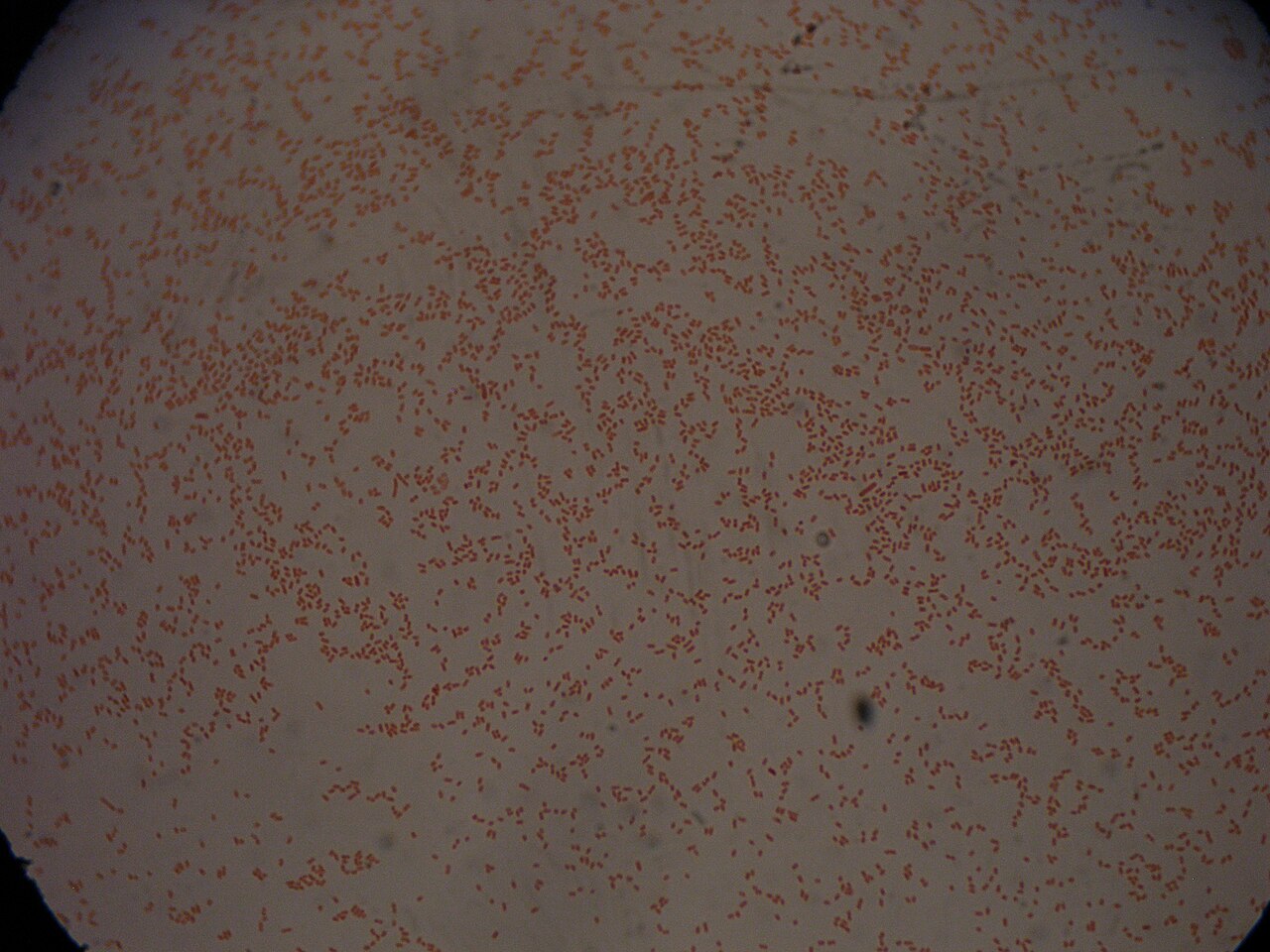
The Food and Agriculture Organization of the United Nations (FAO) has recognised TriEstimul, a biofertiliser developed by the Tibaitatá Research and Technology Transfer Center of Colombia's agricultural research agency AGROSAVIA, as an "Outstanding Experience" in its 2026 regional initiative "Experiences that Transform", AgroPages reports.
TriEstimul contains three plant growth-promoting bacteria isolated from Colombia's biodiversity: Herbaspirillum frisingense AP21, Azospirillum brasilense D7 and Rhizobium leguminosarum T88. They help plants take up nutrients more efficiently and improve root architecture, and are meant to help crops cope with stresses such as water shortage, low soil nutrients and salinity, while stimulating soil microbial life.
According to AGROSAVIA's technical information, TriEstimul can reduce the use of synthetic chemical fertilisers by up to 50 percent without affecting yields under the conditions evaluated, cutting dependence on nitrogen and phosphorus fertilisers.
The product is registered with the Colombian Agricultural Institute (ICA) and has been tested in the field in Cundinamarca, Boyacá, Nariño and Tolima. It is intended for vegetables, potatoes, maize, oats, pastures and other cereals. Its development, by AGROSAVIA's sustainable agricultural systems, agricultural bioproducts and bioprocesses research groups and its bioproducts department, ran from isolating and characterising the bacteria to pilot-scale production and formulation.
FAO's recognition of the project, "TriEstimul: Optimizing Nutrient Use and Agronomic Resilience in the Face of Climate Change", highlights two challenges it addresses: using nutrients more efficiently and helping crops withstand climate change. The initiative recognises solutions that help transform agrifood systems.
Photo: Fadelblaid / Wikimedia Commons (CC BY-SA 4.0)
Source: AgroPages

Comments
(0)