
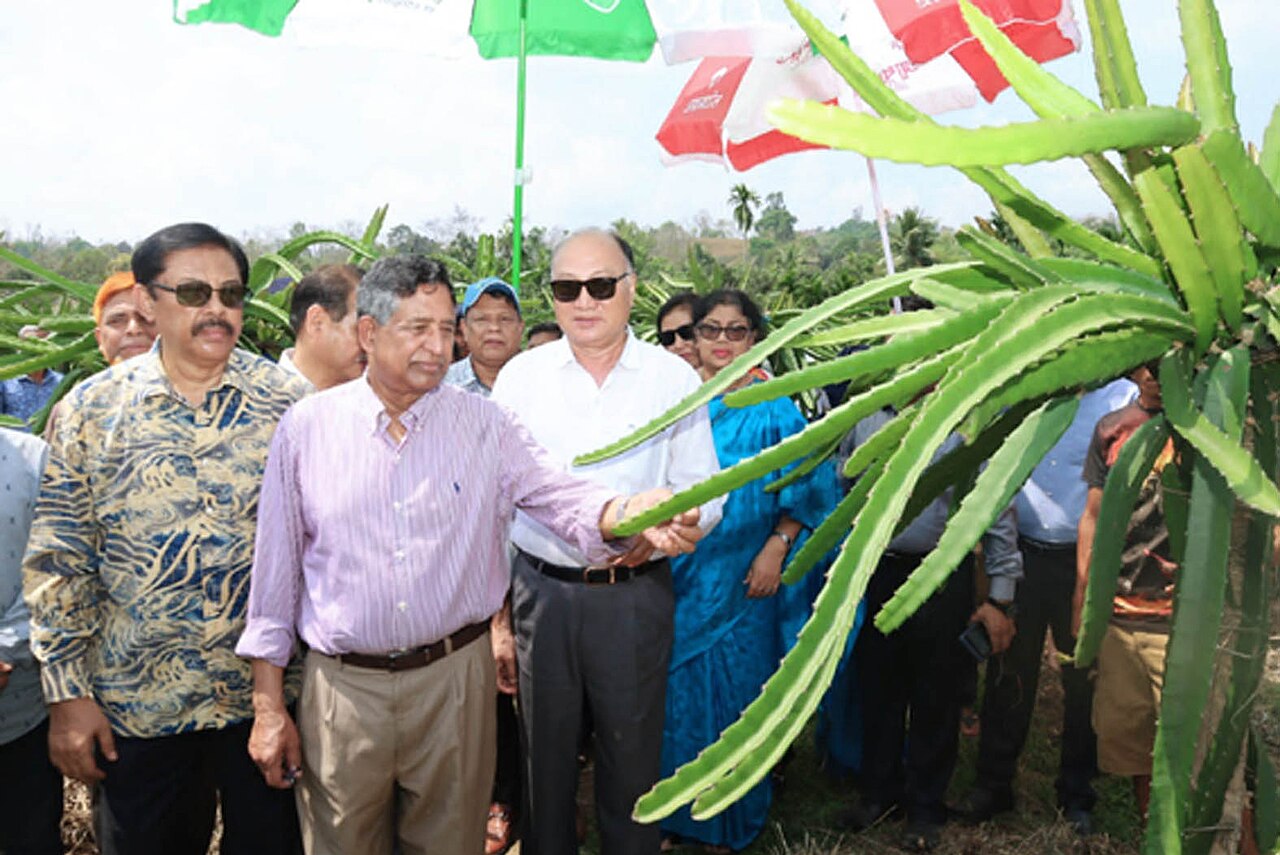
Experts and policymakers have called for subsidies on the production and use of organic fertiliser to protect soil health and grow more nutritious food. They said long use of chemical fertiliser is reducing soil fertility in Bangladesh and that spreading organic fertiliser needs a coordinated effort.
The call came at a roundtable on Monday (2 November) at the CIRDAP auditorium in Dhaka, titled "Promoting organic fertiliser production and providing subsidies for healthy soil, crops and the environment". It was organised jointly by ActionAid Bangladesh, the Bangladesh Agricultural Research Institute (BARI) and others, 20 national and international development organisations and five universities in all.
Speakers noted that although Bangladesh is self-sufficient in food, it still lags in nutrition. In the Global Hunger Index 2026 it ranks 84th of 122 countries.
Smallholder farmers and entrepreneurs described their experience with organic fertiliser. They said registering to produce and market it involves many administrative hurdles, and that without an effective system to test and monitor quality it is hard to make sure what is sold is good.
Speakers accepted that organic fertiliser can sometimes give a lower immediate yield than chemical fertiliser. But it matters for soil health and crop quality, they said, so rather than dropping chemical fertiliser altogether, farmers should combine organic and chemical fertiliser according to the soil and the crop.
The story was reported by a Barta24 staff correspondent.
Photo: Press Information Department / Wikimedia Commons (Public domain)
Source: Barta24

Comments
(0)