
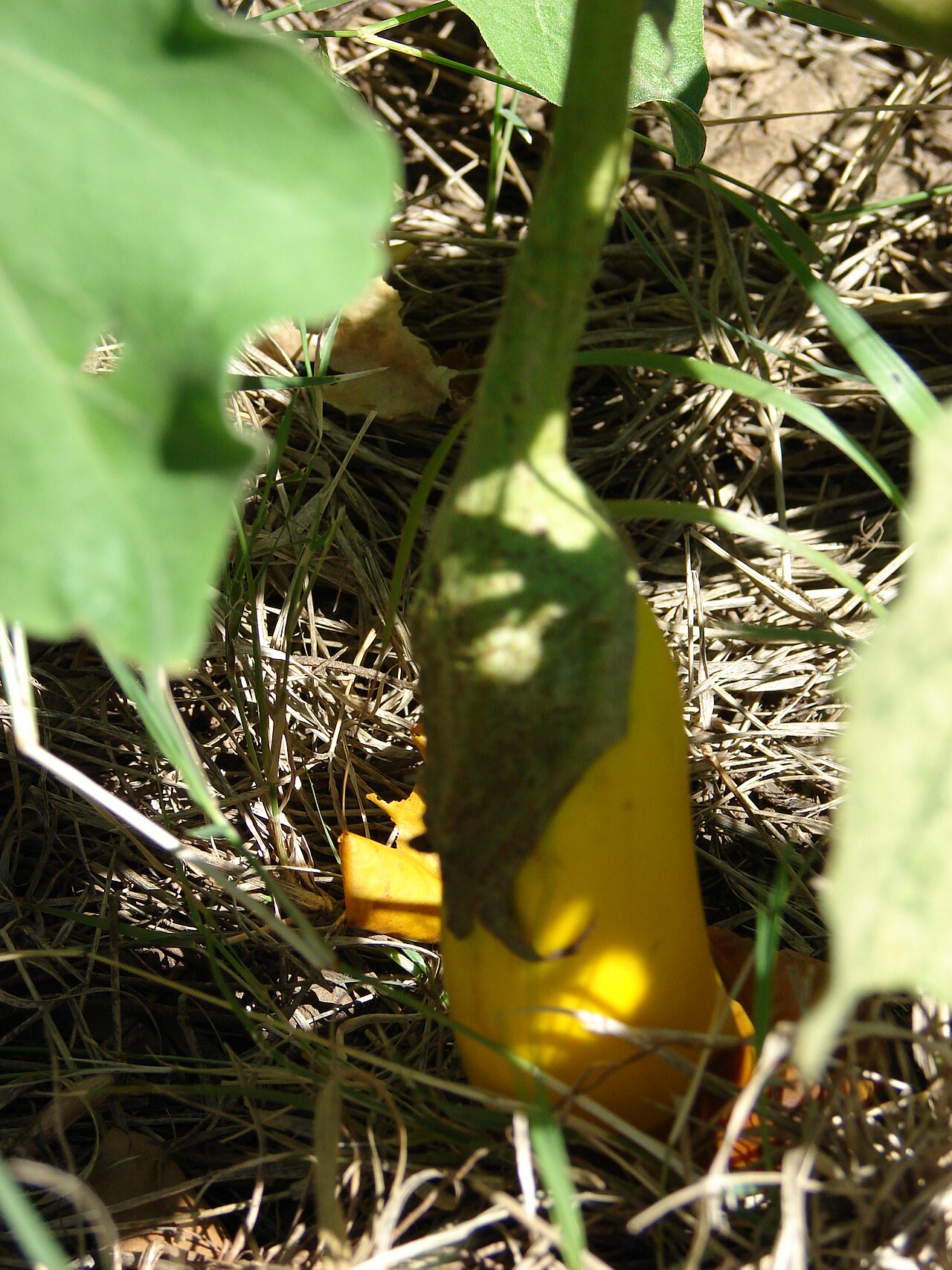
Researchers at Hajee Mohammad Danesh Science and Technology University (HSTU) in Dinajpur report promising results growing brinjal and okra in the monsoon with beneficial endophytic bacteria and no chemical pesticide or fungicide. The work was led by Professor Md Azizul Haque of the biochemistry and molecular biology department, with support from a BRAC microfinance project.
According to the team, applying the bacteria to the same land for nearly four years improved the soil's nitrogen and phosphorus status, raising the prospect of using less urea and TSP than in conventional farming. The method had earlier worked on potatoes.
The researchers say that despite heavy rain and very moist soil, the brinjal and okra on low-lying land showed no viral disease, wilting or insect attack.
As part of the work, a specialised machine has been developed in Bangladesh for making liquid biofertiliser.
The team says this soil microbiome engineering approach can cut chemical use and dependence on imports and help produce safer food. To test it across the country they propose a national trial programme bringing together the agriculture ministry, BARI, BARC and the Department of Agricultural Extension.
Photo: Forest and Kim Starr / Wikimedia Commons (CC BY 3.0)
Source: Amar Desh



Comments
(0)