
Emergency payments are keeping American farms going without fixing the economics behind them, Kera Birkeland, senior policy advisor at the Montana Grain Growers Association, argues in a column carried by Northern Ag Network. The views are the writer’s own.
“A farmer can do almost everything right and still lose money,” she writes. She supports a safety net, but asks whether the farm is becoming a pass-through: money arrives, then goes straight out to pay for fertilizer, seed, crop protection, fuel, equipment and interest.
She cites USDA’s September 2026 forecast that direct government farm payments will reach about $47.4 billion in 2026, nearly 70% more than in 2025, while total production expenses are projected at $492.8 billion, up 4.5%.
Fertilizer is her main example. The National Association of Wheat Growers reported in March that countervailing duties on phosphate imports added nearly $1 billion in expenses for US wheat growers between 2021 and 2025, and fertilizer makes up about 38% of wheat operating costs under USDA projections cited by the association. “The wheat farmer doesn’t get to raise the price of wheat because the fertilizer company raised the price of fertilizer,” she writes.
Her wider argument is about competition. A Montana wheat producer competes with growers in Kansas, North Dakota, Canada, Australia, Russia and Ukraine, she says, and the businesses selling to that farmer should have to compete as well. Consolidation does not itself prove wrongdoing, she adds, but a farmer with one or two realistic suppliers is in a weaker position than one with several, on fertilizer and also on seed, machinery, transport and grain handling.
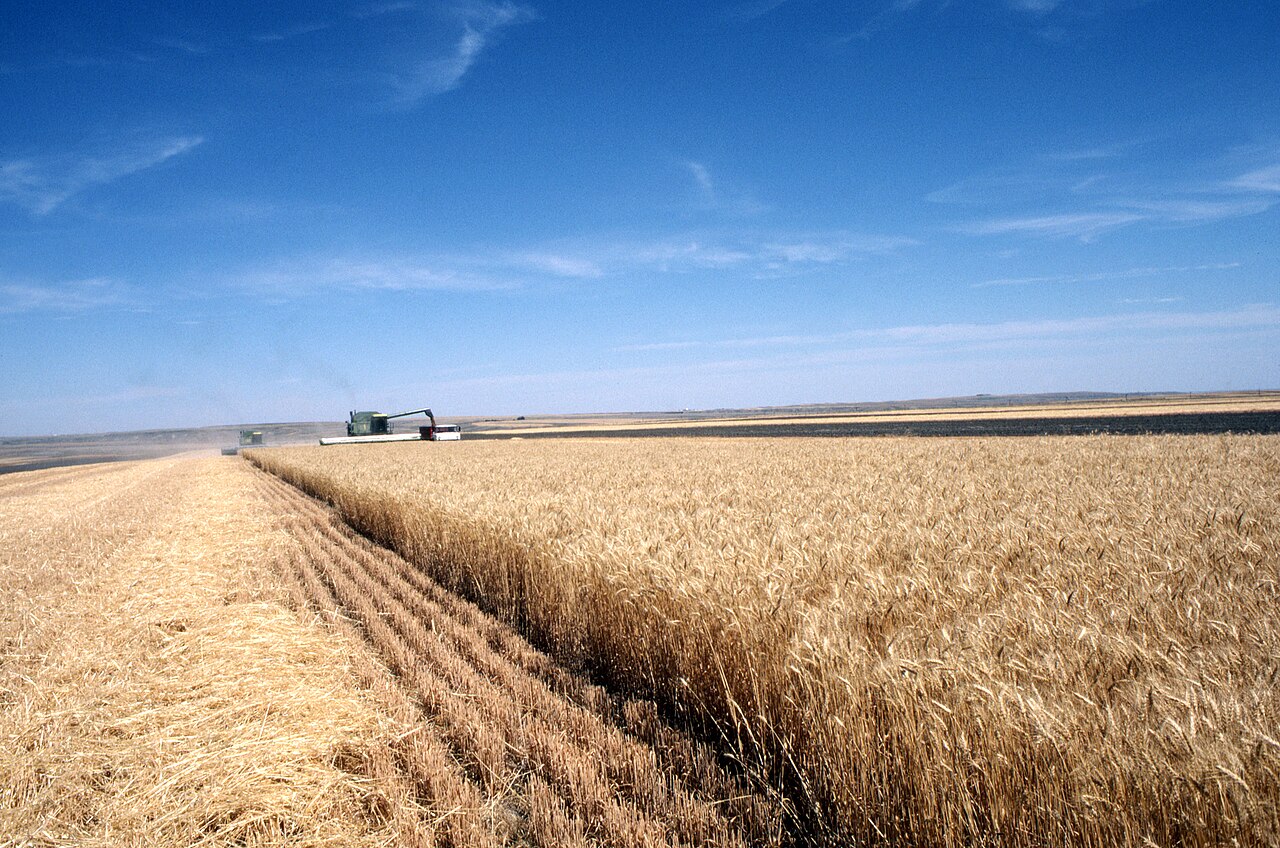
Photo: USDA NRCS / Wikimedia Commons (Public domain)
Source: Northern Ag Network

Comments
(0)