
Journalist and columnist Hasan Mamun asks in Samakal where Bangladesh's dependence on imported energy may lead. Gas supply has improved slightly, he writes, but not because domestic production has risen: an LNG terminal that was knocked out in an accident is back in service. The views are the writer's own.
The column puts displayed gas demand at 3,800 million cubic feet a day against at most 2,800 million when all is well. If one of the two floating terminals at Moheshkhali fails, about 500 million cubic feet vanish at once. Output from existing gas fields has fallen markedly since 2017, and the government has decided to build three more LNG terminals, a move experts back.
His concern for farming is plain: for lack of gas, neither power plants nor fertiliser factories can run properly, fertiliser imports are rising, and the input-heavy boro season, when irrigation and much more fertiliser will be needed, is not far off. He also notes the advice that gas found in Bhola be used there, by building power plants and fertiliser factories on the island.
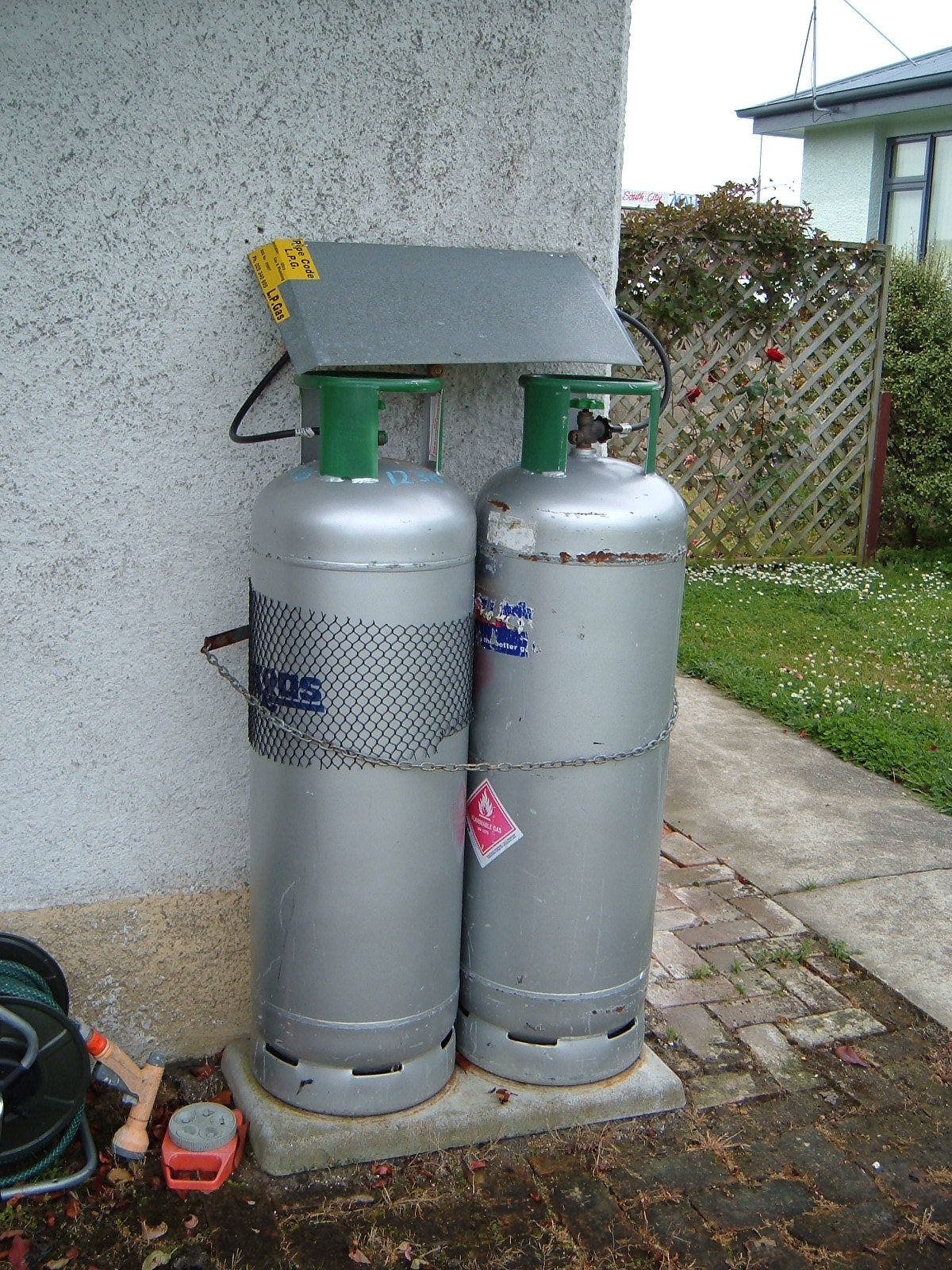
Cooking fuel is another worry. Uncertain piped gas has pushed many households, including in villages, to LPG, with users estimated at about 10 million. LPG imports fell 25 percent this month, and buyers are paying Tk 400 to Tk 500 more for a 12 kg cylinder as shipping routes from the Middle East have become risky.
Almost all liquid fuel is imported, he observes, and the shortage of gas has stalled investment in industry, with knock-on effects on jobs and law and order.
Photo: Evil Monkey / Wikimedia Commons (CC BY 2.5)
Source: Samakal
Comments
(0)