
Data centres are only the most visible of the forces taking US farmland out of farmers' hands, argue Tim Gibbons, executive director of the National Family Farm Coalition, and Dena Hoff of the Northern Plains Resource Council, a Montana farmer, in a column republished by AGDAILY from The Daily Yonder. The views are the writers' own.
They note that farmers have turned down large offers from tech companies and investors, one in Kentucky rejecting $33 million and another in Pennsylvania $15 million. But investors are also buying land simply to rent back to farmers, treating it as a safe asset that hedges against inflation.
Citing the 2024 Tenure, Ownership, and Transition of Agricultural Land (TOTAL) survey, released in March, they write that 87% of the more than 2 million landowners renting out farmland do not farm, and most never have; those landlords collected more than $34 billion in rent. The value of farmland held by institutional investors such as pension funds and private equity has more than doubled in three years, to $16.6 billion, they say. "We are watching in real time the emergence of a long-term, non-farming rural landlord class."
Behind the sales, they argue, is that farming no longer pays: the US lost 159,000 family farms between 2017 and 2022, farm debt is at a record, and low, volatile prices and corporate concentration leave selling as the only way out for many.
Their answer is federal policy: the Farmland for Farmers Act, modelled on Midwestern anti-corporate farming laws, and a farm bill that lets farmers make a living, together with support for the next generation to buy land without competing with billionaires.
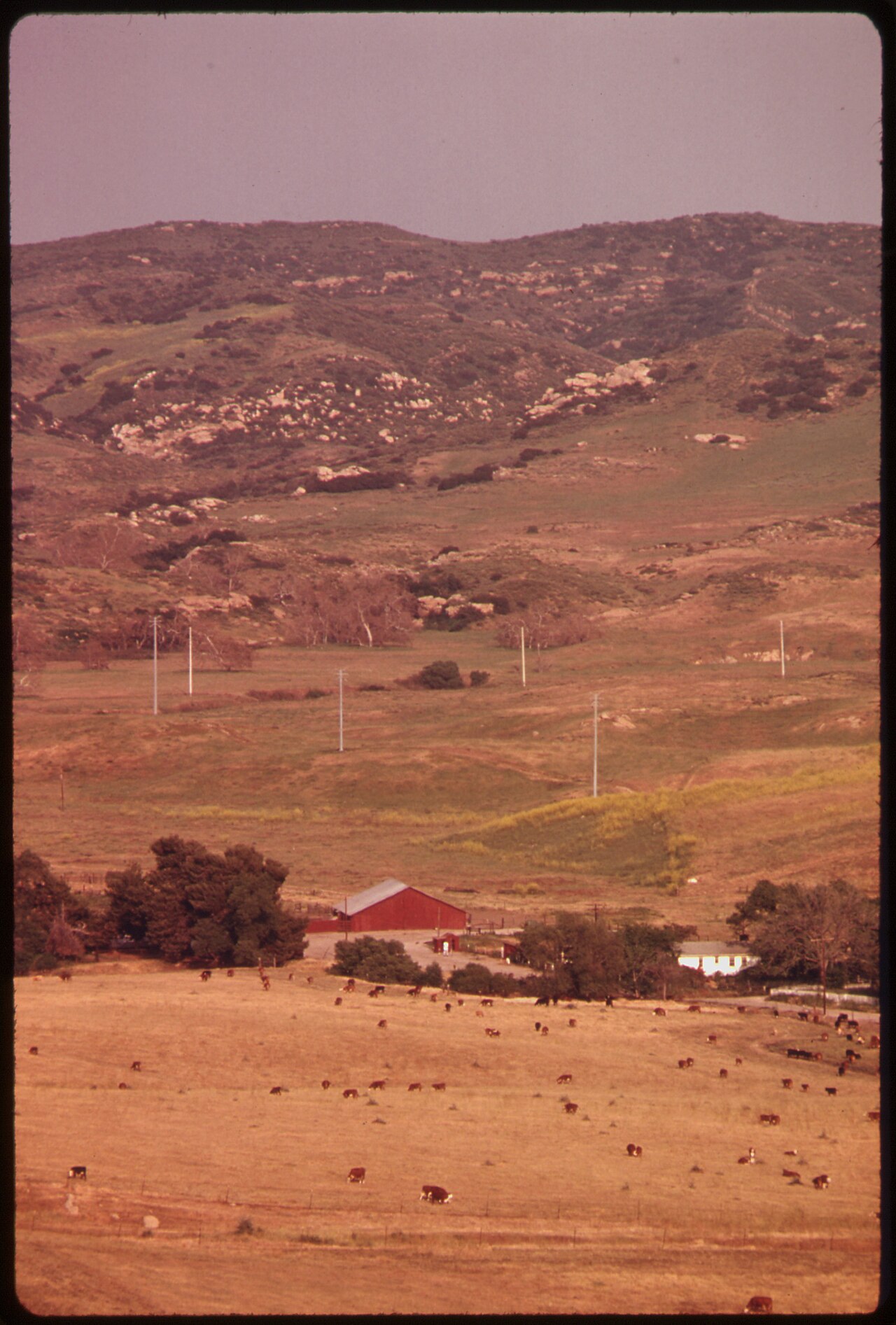
Photo: Charles O'Rear, U.S. National Archives / Wikimedia Commons (public domain)
Source: AGDAILY



Comments
(0)