
The government has taken a new approach to fertiliser management that puts farmers' demand first, allocating 100 per cent of the requirement of all 64 districts for October and arranging early imports, stocks, transport and field monitoring with the Rabi and Boro seasons in mind. The details come from the allocation letter and attached tables issued on 14 September by the fertiliser management and monitoring wing of the Ministry of Agriculture.
According to official figures, October demand across the 64 districts is 70,052 tonnes of TSP, 150,910 tonnes of DAP and 93,654 tonnes of MOP — 314,616 tonnes of the three non-urea fertilisers in all — and the same quantity has been allocated. The entire TSP allocation comes from the Bangladesh Agricultural Development Corporation (BADC); of the DAP, Bangladesh Chemical Industries Corporation (BCIC) supplies 1,000 tonnes and BADC 149,910; the MOP is also allocated district by district.
What sets this allocation apart is that quantities were fixed separately for each district on the basis of district and field-level demand rather than a single centrally set figure. TSP allocations include 740 tonnes for Dhaka, 840 for Narayanganj, 896 for Munshiganj, 1,684 for Manikganj, 1,487 for Narsingdi, 1,450 for Tangail, 1,900 for Mymensingh and 1,882 for Kushtia, with sizeable allocations for the farm-dependent northern districts such as Bogura, Rajshahi, Pabna, Natore, Naogaon, Sirajganj and Rangpur.
For MOP, Bogura receives 4,540 tonnes, Rajshahi 3,360, Pabna 2,483, Naogaon 2,269, Mymensingh 1,930 and Natore 1,900; DAP is likewise allocated by district demand through BCIC and BADC. The ministry's documents also set out month-by-month demand for fiscal 2026-27, with phased supply, stocks and a safety reserve planned from July onward for both urea and non-urea fertilisers.
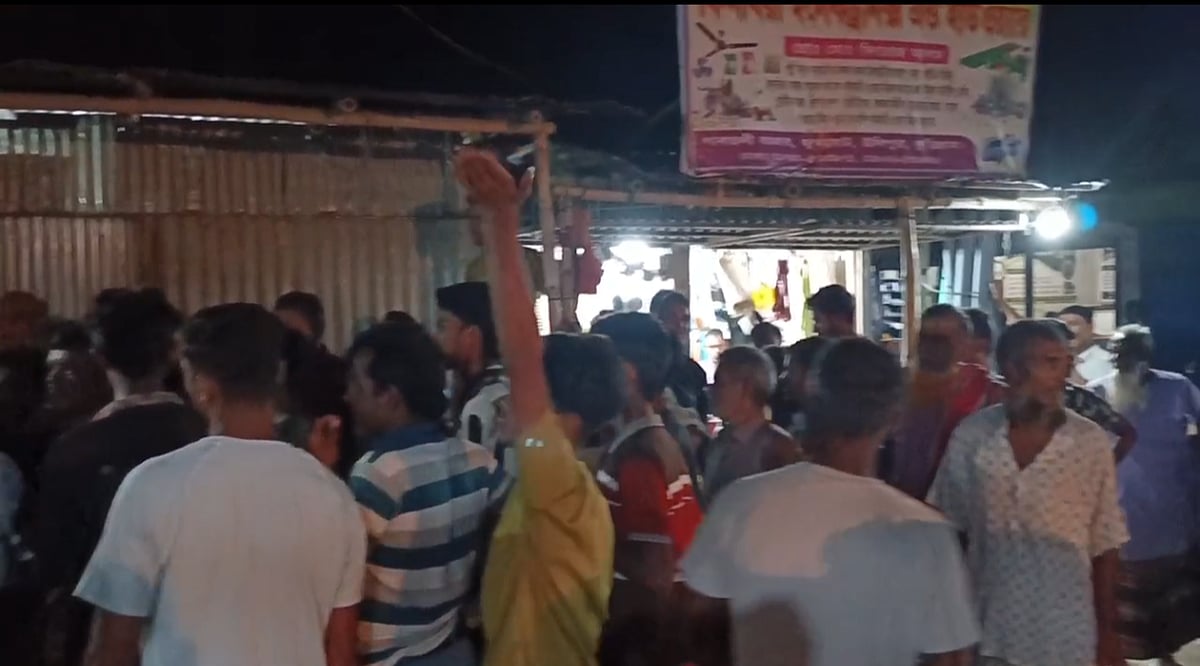
The October allocation comes at the tail of the Aman season, amid complaints and protests in several districts over fertiliser not being sold at the fixed price, and ahead of the Rabi season of potato, maize and winter vegetables, when demand for non-urea fertiliser peaks.
Based on a BSS special report. Source: BSS
Comments
(0)