
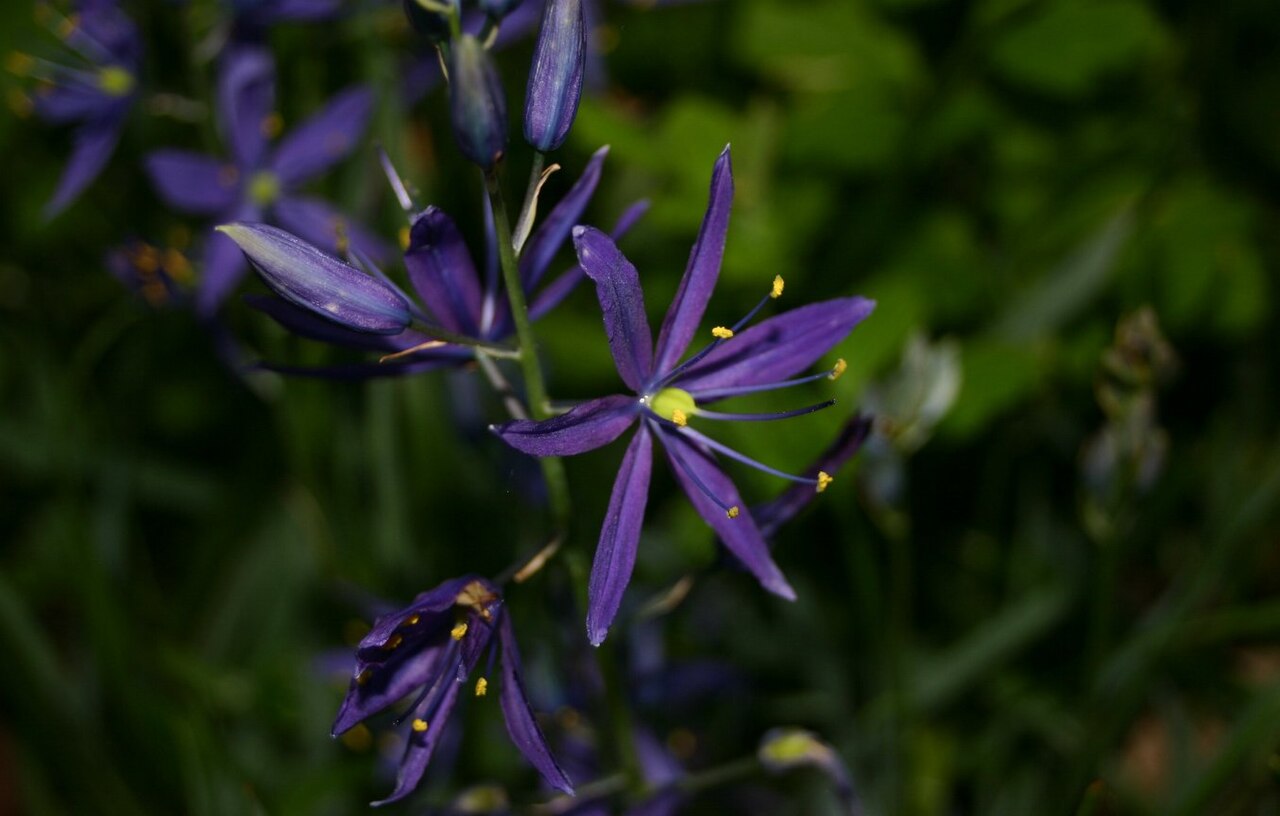
The first peoples of the Pacific Northwest built a large measure of food security without conventional agriculture, managing the land with traditional ecological knowledge to favour the species they ate, experts tell Capital Press in its Ag 250 series.
Jeffrey Wall, an Indigenous-focused horticulturist with Washington State University Extension, said tribes built stoneworks and weirs for systematic salmon harvests, tended oyster and clam beds, cultivated root gardens in estuaries and burned oak savannas and prairies to encourage acorn and camas production. Dense stands of Pacific crabapple and native berries often mark places of long seasonal habitation, where people weeded around the plants to help them flourish.
Salmon was the keystone species, supplying nutrition across a wide area and shaping social life. "The Northwest is kind of an incredible case in the Americas and the world for being so complex socially without systematic plant domestication and grain storage," Wall said, "because we had the salmon." Camas, a starchy bulb, balanced the diet and, like salmon, was traded across the region.
Linda McLean, WSU Extension director on the Colville Indian Reservation, said Northwest Native Americans are considered hunters, gatherers and fishers rather than farmers. Landon Charlo, a WSU assistant professor of Native American food systems, said tribes lost access to traditional foods and knowledge during colonisation, when many were forced onto reservations. "Bringing back the food is bringing back the culture," he said.
Many tribes are again harvesting and managing the places where those foods grow. Francene Ambrose, who grew up on the Yakama Indian Reservation learning to live off the land from her great-grandmother, now helps Native families in Oregon's Coast Range learn traditional food ways as a programme manager for the Confederated Tribes of the Grande Ronde. "There's going to be a next generation that's connected to the land," she said.
Photo: Sten Porse / Wikimedia Commons (CC BY-SA 3.0)
Source: Capital Press

Comments
(0)