
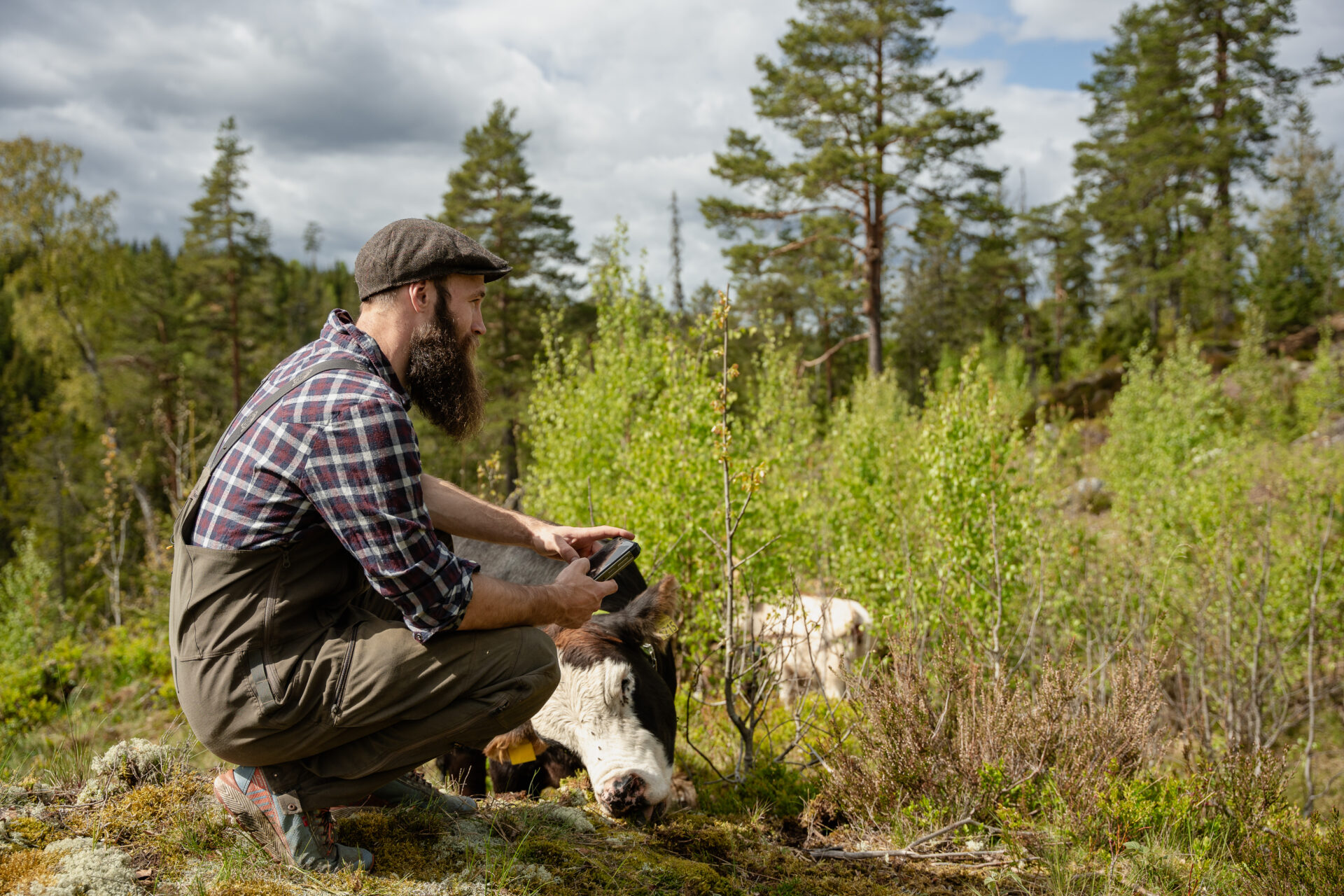
Virtual-fencing company NoFence has launched its third-generation cattle collar, the N3, together with a precision livestock management platform. The company's message is that the value of virtual fencing now lies less in replacing fence posts than in the data and the hours it hands back to producers.
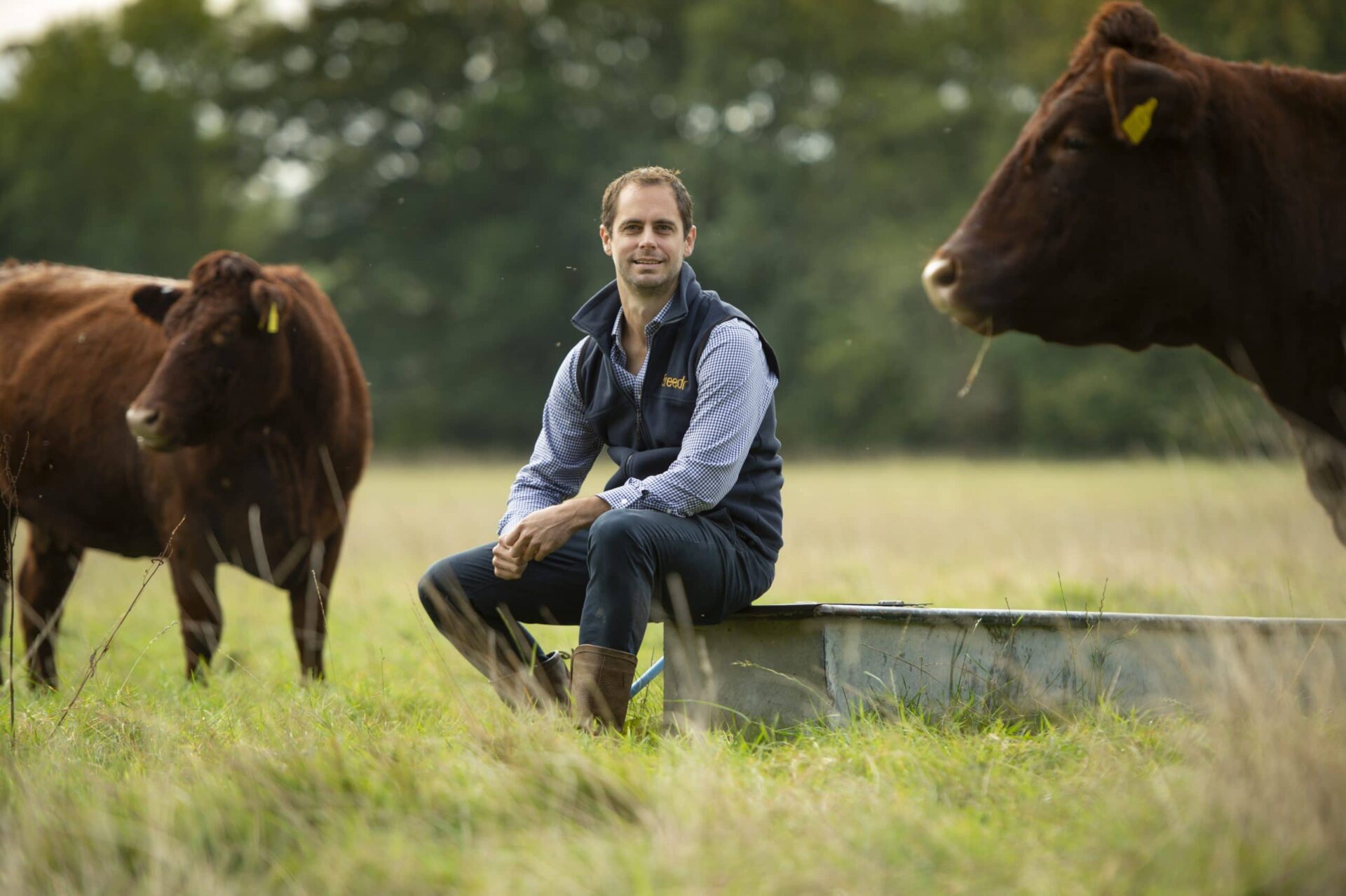
"NoFence has a 99.7% containment rate. Containment has been solved," said Alex Bell, acting director for the US at NoFence, which was founded in Oslo in 2011 and also operates in the US, Sweden and Ireland. Producers no longer spend that time moving fences or driving out to check cattle, he said, and "they have data about their livestock and forage to make informed decisions about herd health, reproduction and land use".
NoFence collars are solar-powered and GPS-enabled, for cattle, sheep and goats. Boundaries are drawn in a smartphone app; an animal entering the boundary zone hears a rising tone and receives a mild electric pulse only if it walks through the whole warning without turning back. Over time the animals learn to respond to the sound alone.
The N3 is described as five times more durable than its predecessor, based on lab and field testing. It carries three layers of connectivity — IoT cellular, NoFence's own collar-to-collar mesh network HerdNet, and satellite backup — so herds stay visible in remote country where mobile coverage is patchy.
The software is the larger change. The platform generates grazing reports automatically for each paddock — stocking density, grazing days, herd size and pasture details — which removes manual record-keeping and produces the documentation needed for NRCS conservation programmes or other certifications. Paddock moves can be scheduled in advance and carried out automatically, supporting steadier grazing rotations. The system also tracks rumination and activity to produce a heat score that identifies animals approaching oestrus without anyone watching the herd. Producers own their data, the company says, and it is aggregated only to improve the product and never sold or shared without consent.
NoFence raised a $35 million Series B last year and has concentrated on the US, Ireland and Sweden. It calls the US its strongest growth market even though virtual fencing covers under 5% of the sector there, against more than a decade of commercial use in Norway. The barriers it names are misconceptions about the technology's maturity, low awareness and the trust producers need before adopting new infrastructure; policy from the NRCS, the Forest Service and the Bureau of Land Management has provided a tailwind.
"Removing physical fences and implementing precision livestock management means producers and landowners don't have to choose between profitability and environmentally positive production practices; the technology supports both," Bell said.
Source: AgFunderNews
Comments
(0)