
The flash floods that swept through Nepal's Bhote Koshi–Trishuli river corridor on 26 August 2026 killed more than 1,000 people and, according to a preliminary assessment by the Food and Agriculture Organization of the United Nations (FAO), damaged around 1,800 hectares of crops — mostly paddy — with production losses approaching 7,700 tonnes.
Thousands of animals were killed. Across 11 affected municipalities there were more than 350,000 head of cattle, buffalo, sheep and goats, along with 1.6 million poultry; FAO estimates that 5 to 10 percent of the livestock and poultry population in these communities may have been lost outright.
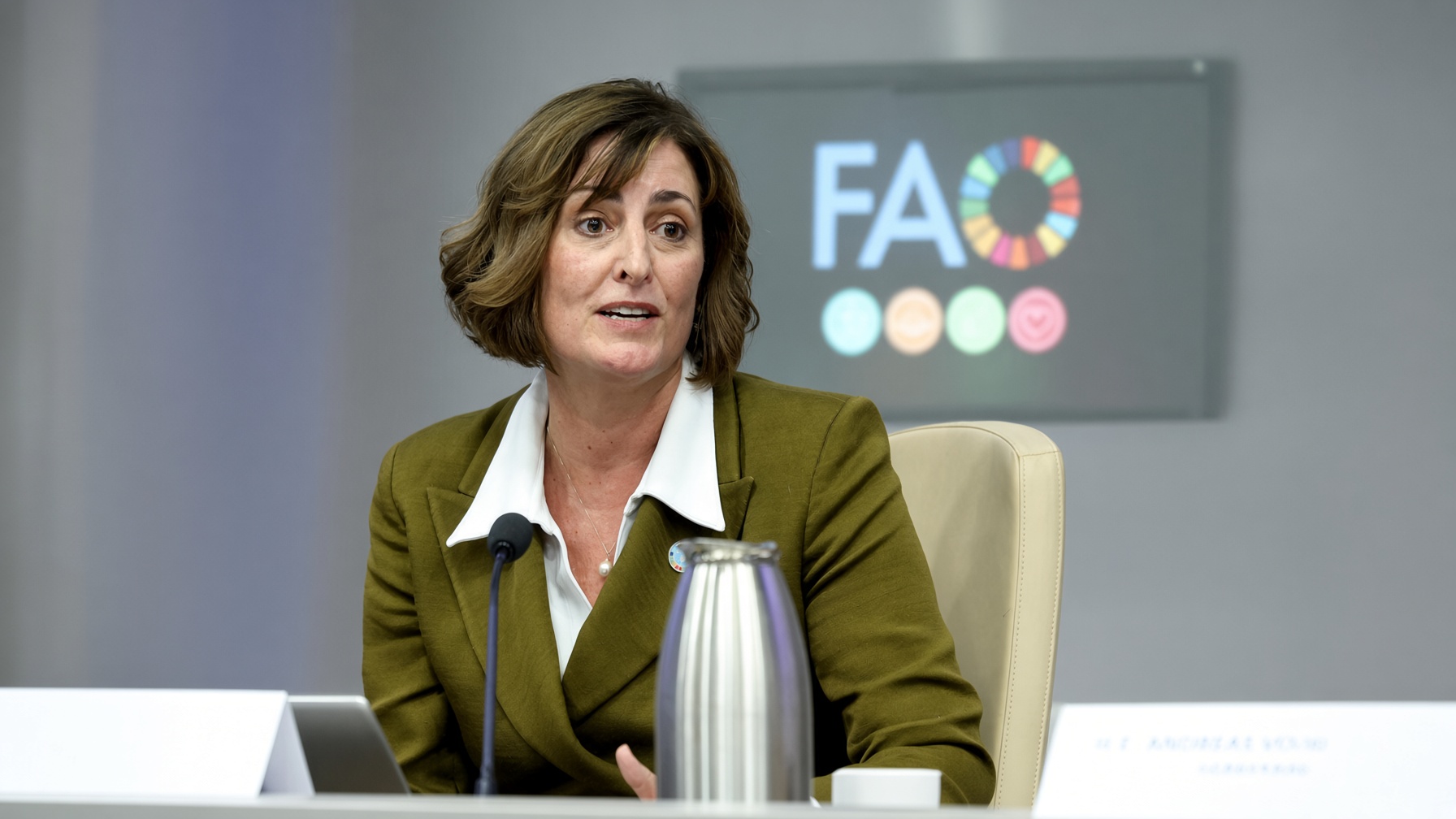
"This disaster has also washed away the means by which many families feed themselves and earn an income," said FAO Deputy Director-General Beth Bechdol. "Crops have been buried under mud and sediment. Fishponds have been swept away, and roads, bridges and markets have been damaged, disrupting the movement of food, animal feed, milk and other agricultural inputs."
The immediate needs are specific: seed for farmers, feed and veterinary care for surviving animals, and vaccination and disease surveillance, because the risk of animal disease rises sharply after flooding of this kind. FAO deployed emergency teams, including veterinarians, within about 24 hours and supplied veterinary medicines to treat injured animals.
Bechdol described two clocks running at once. The first is the emergency — water, food, shelter and sanitation, and reaching communities cut off by 41 destroyed bridges and damaged roads. The second is the planting calendar. "Planting season does not wait for a recovery plan," she said.
The land itself is part of the problem. Satellite imagery shows cropland buried under mud and sediment, with erosion and heavy sediment build-up. Recovery, Bechdol said, is not simply a matter of replacing seed: it means working out which fields can return to production, restoring soils, repairing drainage and irrigation, and getting farmers ready for the next crop. "If farmers miss the next planting season, the impact of this flood will last far longer."
FAO is leading the agricultural loss-and-damage assessment requested by the Government of Nepal, using field surveys together with satellite and remote-sensing data, so that the recovery plan can be built on measured damage rather than estimates. "We need to know not only where the flood went, but what it took with it — and what farmers need to produce again," Bechdol said.
Source: FAO Newsroom

Comments
(0)