
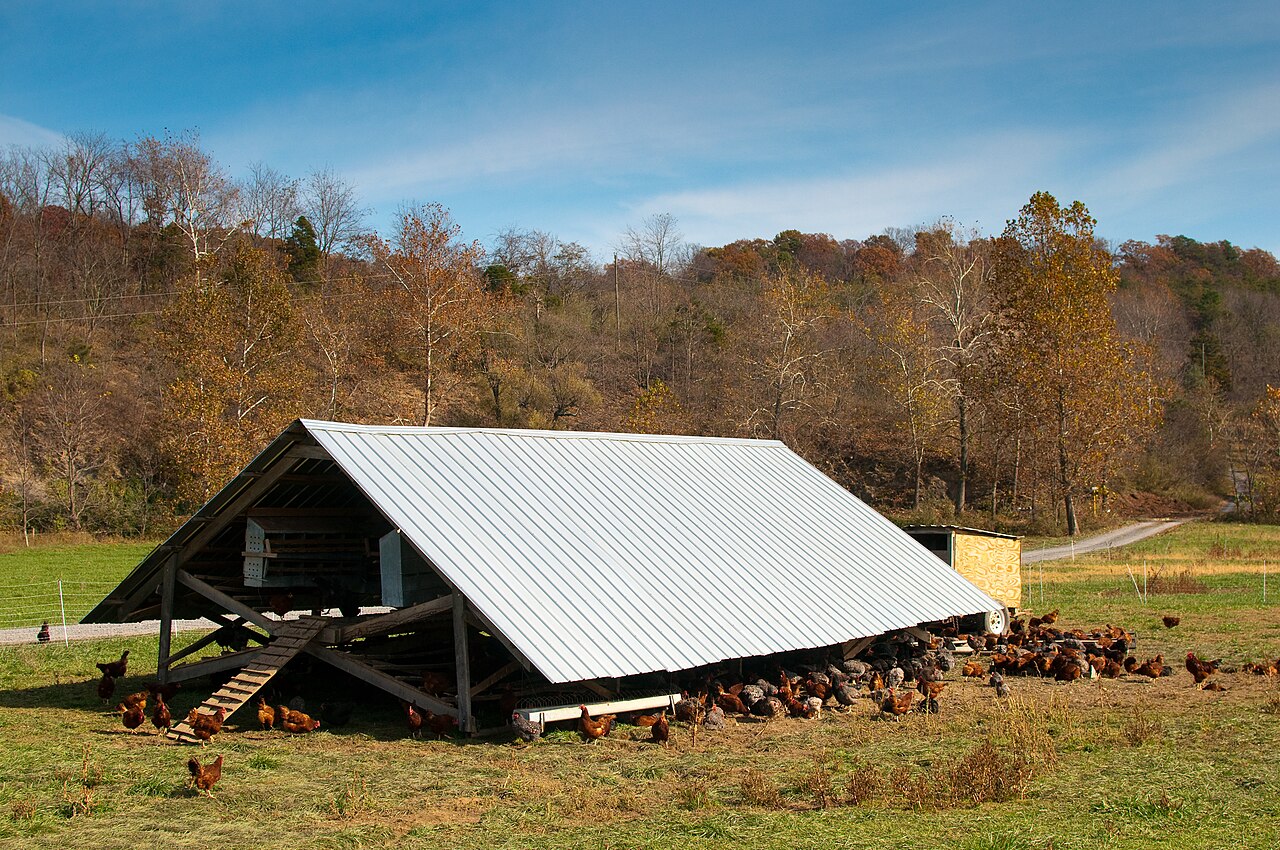
Sharmin Akter of Talbaria village in Gurudaspur upazila, Natore, is building a layer poultry farm. Her shed holds about 2,000 red pullets of the Kazi Farms strain, now about three and a half months old. Chicks, feed, medicine and care have cost her about Tk 700,000 so far.
The start was hard. Her husband, Munsur Rahman, first tried poultry; when it did not go as hoped, Sharmin took over, with about Tk 100,000 from him. Her first batch, some seven years ago, was 2,400 Sonali chickens, and it ended with a loss of about Tk 100,000.
After that she set about learning where costs could be cut, how disease could be handled and what had gone wrong. Broiler and Sonali batches then began to turn a profit, and with that experience she has now moved to layers. Feed, medicine and care cost her about Tk 150,000 a month, and she expects a good income if the market holds.
She runs a four-member household alongside the farm. A graduate of Bilchalan Shahid Shamsuzzoha Government College in Gurudaspur, she chose her own enterprise over waiting for a job. With government help on training, veterinary care, vaccines, credit and marketing, she says, she would like to expand.
Educated young people, she argues, need not depend on jobs alone: with hard work, planning and patience, even a small farm can earn an income.
Upazila livestock officer Dr Kanis Farzana said Gurudaspur suits poultry and that the Department of Livestock Services provides farmers with vaccines, disease prevention and advice. The risk of colds, fever and dysentery rises in the rainy season, she said, so keeping sheds clean and taking extra care matter then.
The report is by Mehedi Hasan Shawon.
Photo: Brian Johnson & Dane Kantner / Wikimedia Commons (CC BY-SA 2.0)
Source: Desh Rupantor


Comments
(0)