
More than 100 residents of Nashik in Maharashtra have been diagnosed with skin conditions and allergies amid groundwater contamination by hexavalent chromium, a toxic industrial pollutant, Down To Earth reported. Of 248 people screened by the Nashik Municipal Corporation (NMC), 109 were found to have skin diseases or allergies.
Residents of Dattanagar, in the Ambad industrial area, had complained for nearly a month of yellow water from their borewells. An independent laboratory analysis commissioned by the South Asian Network on Dams, Rivers and People (SANDRP) found hexavalent chromium at 50.3 milligrams per litre and total chromium at 50.5 mg/L. The Bureau of Indian Standards limit for total chromium in drinking water is 0.05 mg/L, so the reading was more than 1,000 times that limit. A Maharashtra Pollution Control Board (MPCB) analysis on 8 October found 45 mg/L in two samples from borewells and dug wells, about 900 times the limit.
The MPCB has ordered 17 electroplating units in the area closed. Authorities have shut eight of the 17 borewells in the affected area, those with visibly yellow, odourless water, though others may also be contaminated, and have banned residents from using groundwater; water is being supplied by tanker. Dattanagar has about 25,000 residents, and the investigation covers a stretch of about 500 metres.
Hexavalent chromium is classified as carcinogenic to humans by the International Agency for Research on Cancer, with the risk depending on the level, duration and route of exposure. Assistant medical officer Prashant Shete said dermatologists from private hospitals, NMC hospitals and Nashik Medical College were examining residents in free camps, and that a camp on 17 October would collect blood and urine samples to check for other contaminants such as mercury.
Shete said the ailments found so far were mild and that some residents who had moved away and returned had recovered. "The water is clearly the problem," he said. The story was reported by Himanshu Nitnaware.
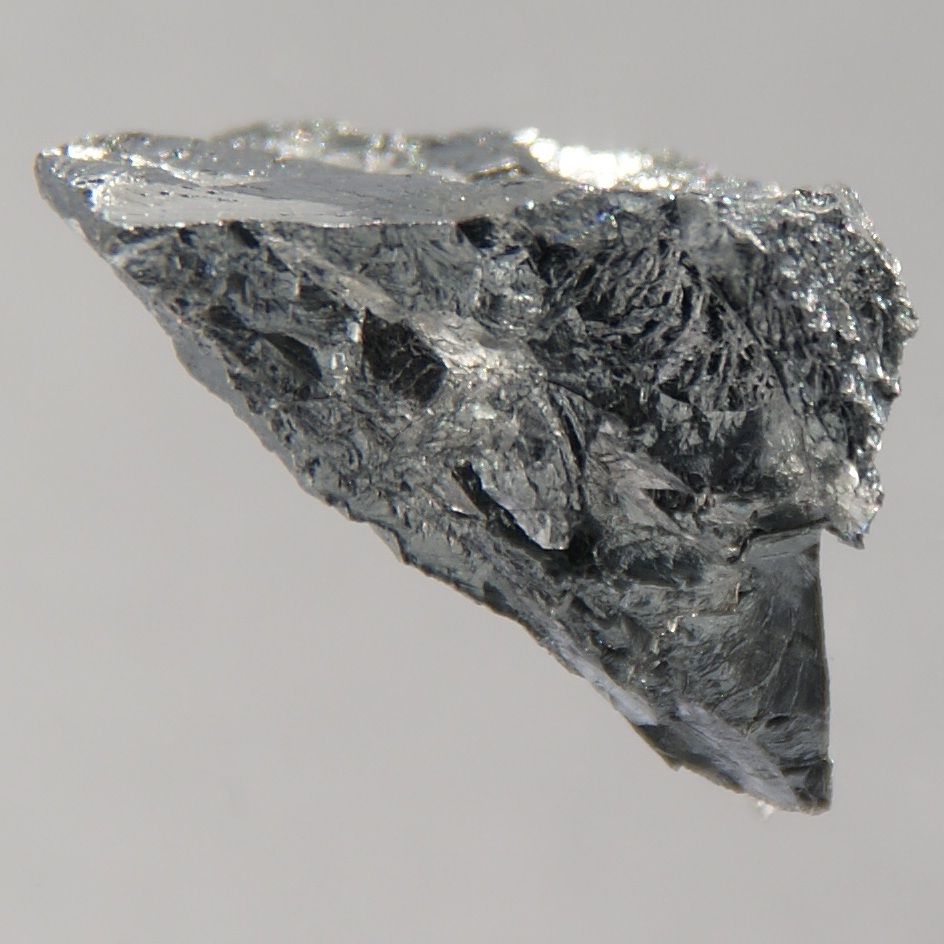
Photo: Hi-Res Images of Chemical Elements / Wikimedia Commons (CC BY 3.0)
Source: Down To Earth




Comments
(0)