
Women at average risk of breast cancer should have a screening mammogram every two years between the ages of 40 and 74, advises Dr Arman Reza Chowdhury, a cancer specialist at Evercare Hospital in Dhaka, writing in Prothom Alo. Breast cancer is one of the most common cancers in women, he notes, but when caught early the chances of treatment and recovery are much higher.
The difficulty is that early on there is often no pain, lump or clear symptom, which is why regular screening by age and risk matters. A mammogram aims to find suspicious changes or cancer in the breast before any symptoms appear.
Risk is not the same for everyone. Women with BRCA1 or BRCA2 gene mutations, a very strong family history, or radiation to the upper body at a young age may need screening earlier and more often. For many of them, on a specialist's advice, a yearly breast MRI together with a mammogram is considered from the age of 30.
Whether regular screening continues after 75 depends on a woman's overall health, other illnesses, likely life expectancy and her doctor's advice.
He warns that a new lump, blood or unusual discharge from the nipple, puckered skin, an inverted nipple or a new change in breast shape should not wait for screening age: see a doctor quickly. Screening, he writes, is not for after symptoms appear; it is an attempt to find the disease before them.
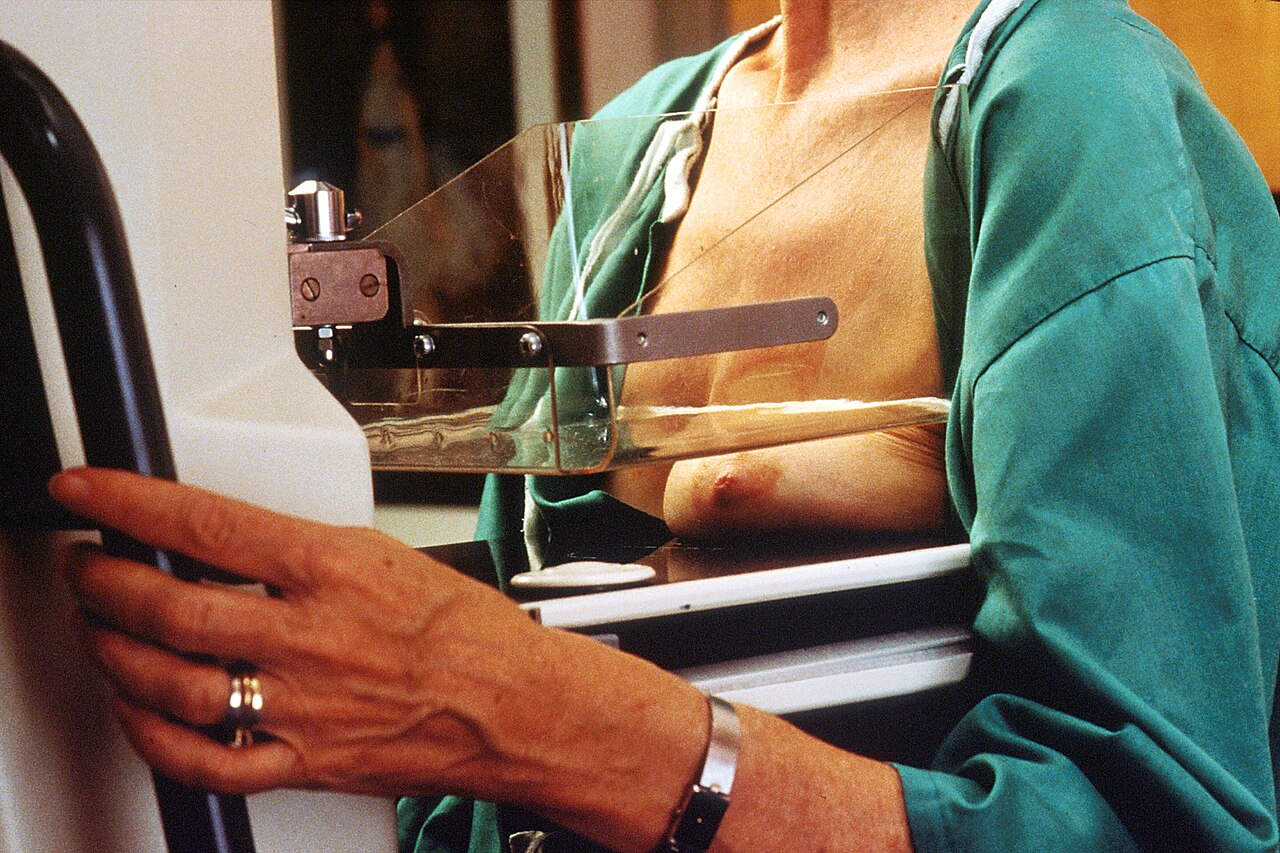
Photo: Bill Branson, National Cancer Institute / Wikimedia Commons (public domain); a representative picture of a mammogram
Source: Prothom Alo



Comments
(0)