
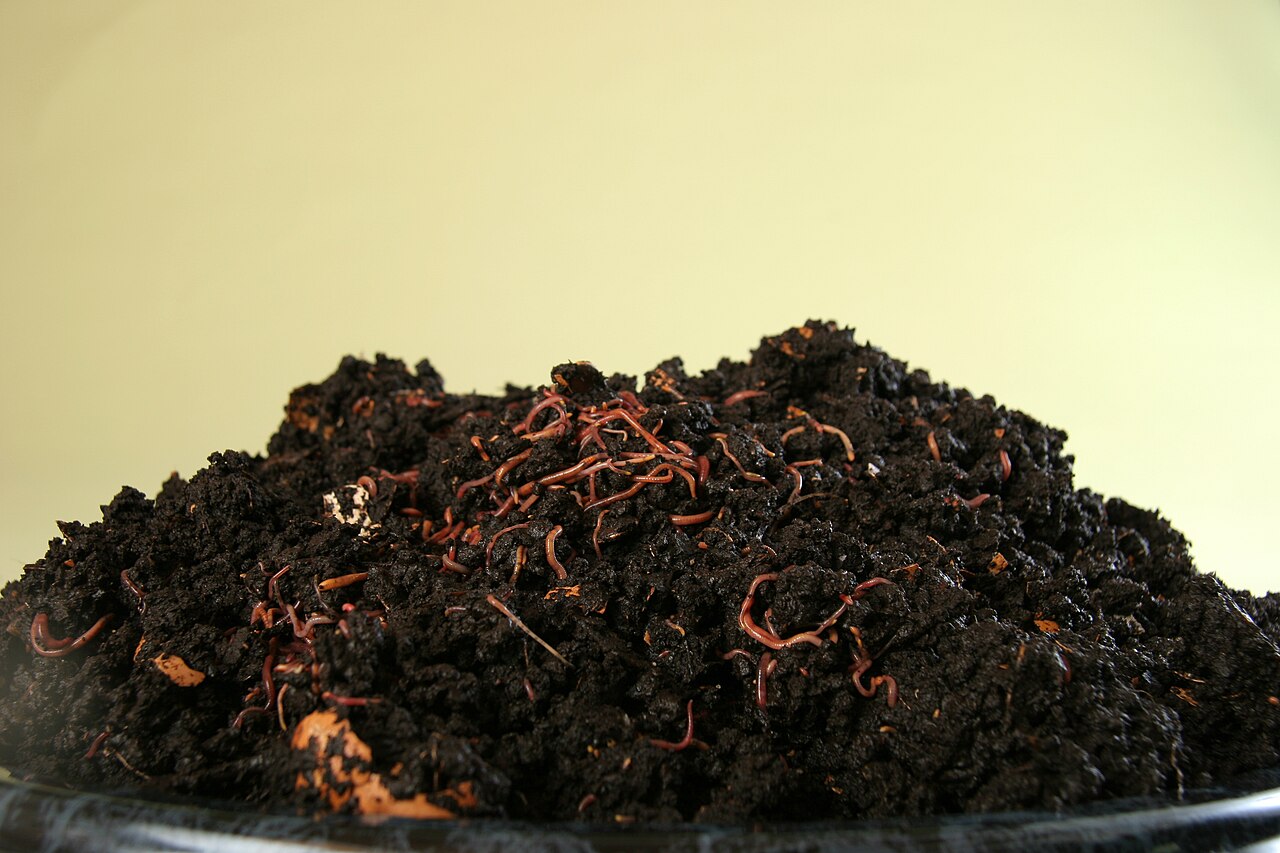
A total of 120 families in Natuapara village, in Fulbaria upazila of Mymensingh, now support their households by making vermicompost. Together they produce and sell 10 to 12 tonnes a month, and the village has come to be known locally as the earthworm compost village.
It began in 2016. Five very poor women, Amena Khatun, Sajeda Khatun, Rashida Khatun, Shahina and Minara Khatun, took a three-day training course arranged by the non-governmental organisation World Vision. Afterwards each was given 250 grams of earthworms and two tubs free of charge.
Starting was not easy. The women faced objections at home, superstition and social neglect, but kept going. When others in the village saw the results they took an interest, and the work spread from house to house.
Minara Khatun, one of the first five, says each tub yields 20 to 25 kg of compost a month. It sells for Tk 7 to 8 a kg wholesale and Tk 10 retail. Selling compost and worms brings her an extra Tk 4,000 to 5,000 a month, and more in some months.
Before the work arrived, the earners in most of these families were day labourers. Minara believes output could grow further if the supply of earthworms and cow dung holds steady.
Photo: SuSanA Secretariat / Wikimedia Commons (CC BY 2.0)
Source: Krishi Shomoy

Comments
(0)