
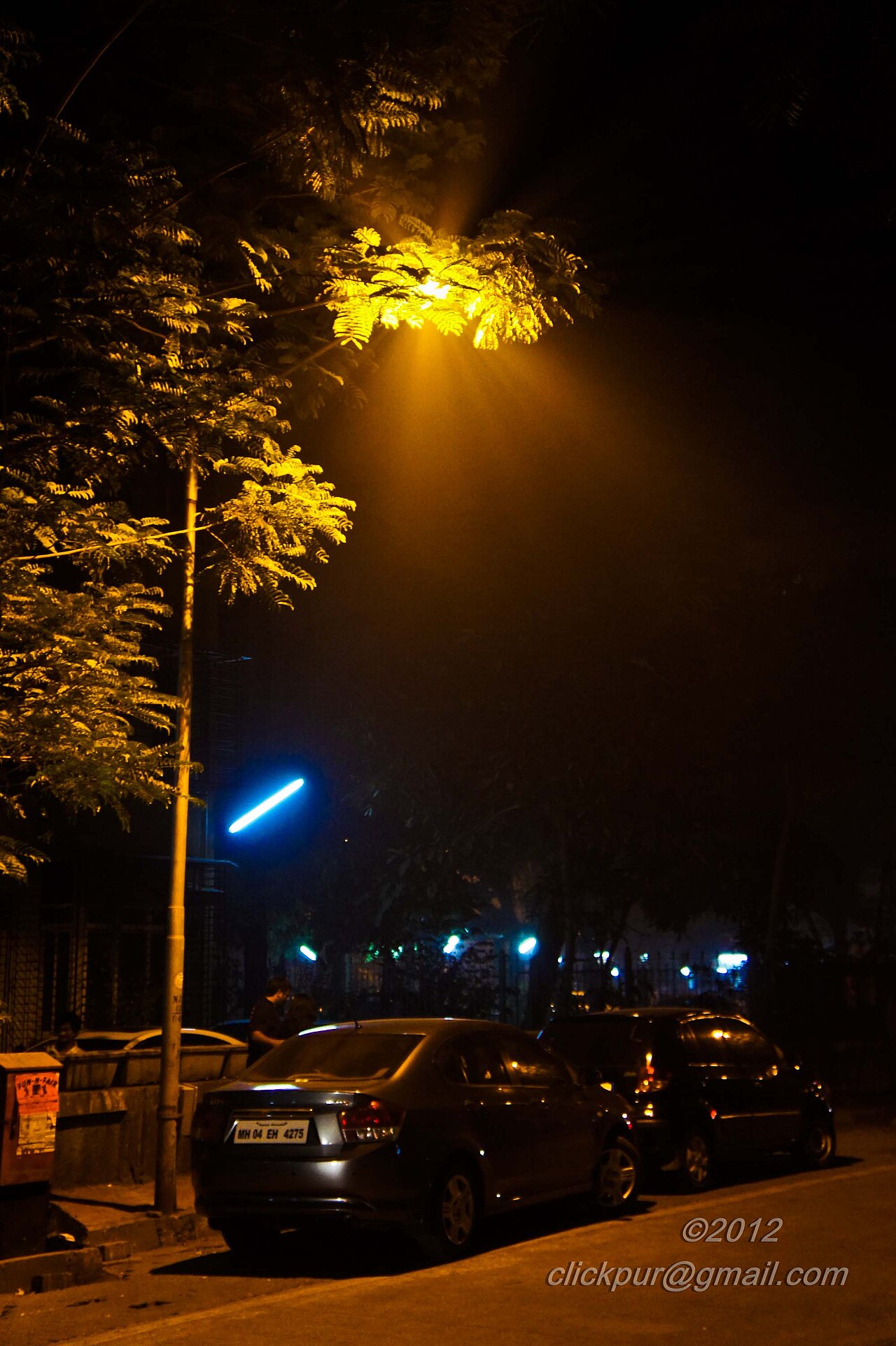
For a long time the Arabian Sea has been Mumbai's natural shield against pollution: each winter, when toxic air spreads across northern India, the sea breeze has cleared it from the city. This year is different. According to Kolkata's Sangbad Pratidin, Mumbai's air quality index (AQI) has overtaken Delhi's for the second time in 2026.
In January and February this year Mumbai's AQI came close to 400. Conditions later returned to normal, but last week the city reached the top of India's pollution rankings.
Construction dust and vehicle exhaust are the two big sources, but not the only ones. Slow winds are letting pollutant particles build up, the report says, while rubbish burning in surrounding rural areas and firecrackers during the festival season add to the toxic mix. Meteorologists warn that a super El Nino could make things worse, and the Bombay High Court has asked how Mumbai can be more polluted than Delhi.
Delhi is getting worse too. Since the day after Dussehra, particle levels in the capital's air have been the highest for the post-Dussehra period in five years, as residents in parts of the city set off firecrackers despite a ban.
On the day after Dussehra, Delhi's AQI was 245. Concentrations of the fine particles most harmful to health ranged from 81 to a peak of 217 micrograms per cubic metre, averaging 191.2 micrograms at the most polluted hours of the night. With Diwali approaching, it is feared the situation will deteriorate further.
The report is by Biswadip Dey of Sangbad Pratidin.
Photo: Udaykumar PR / Wikimedia Commons (CC BY 3.0); smog at Ghatkopar, Mumbai.
Source: Sangbad Pratidin


Comments
(0)