
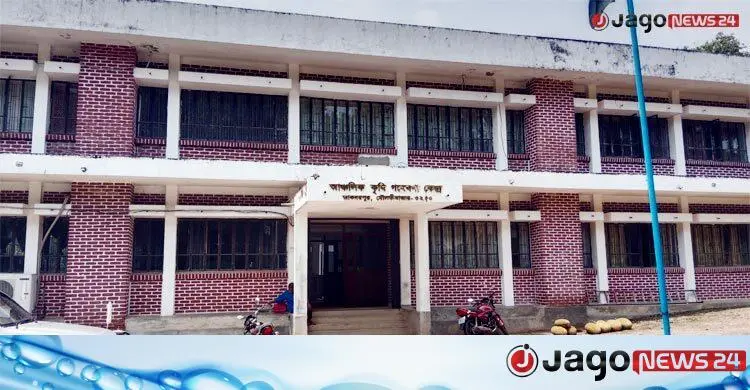
The Regional Agricultural Research Station at Akbarpur in Moulvibazar, six kilometres from the district town, has been researching fruit and vegetable varieties for 44 years since it was founded in 1982. It has developed 11 fruit varieties that are now grown across the country, and it also works on vegetables and field crops.
Eleven varieties
The station developed BARI Guava-2, BARI Litchi-2 and BARI Litchi-3 in 1996; BARI Pummelo-1, BARI Carambola-1 and BARI Carambola-2 in 1997; BARI Jackfruit-1 in 2008; BARI Mango-10 in 2012; BARI Zara Lemon-1 in 2018; and, most recently, BARI Jackfruit-5 in 2023. Each fruit variety takes at least five to ten years to develop.
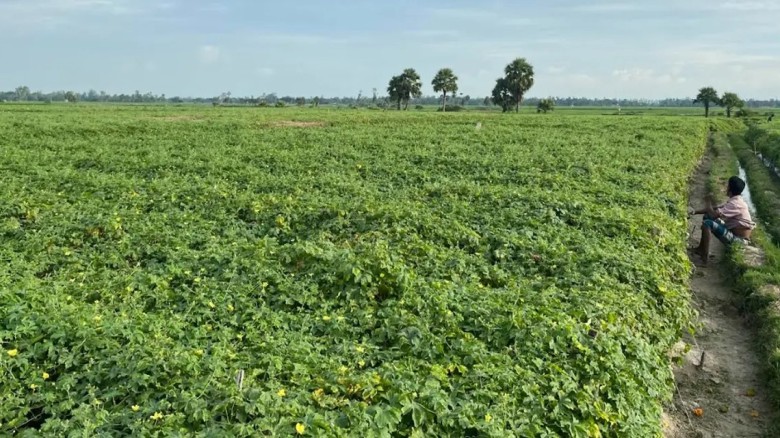
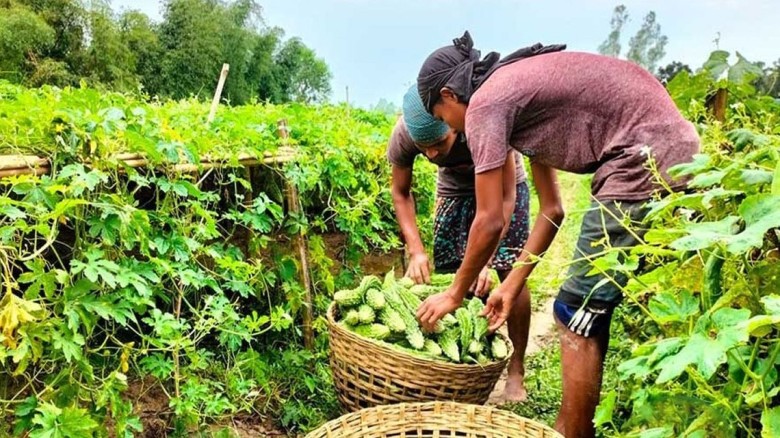
Research is now under way on new varieties of dragon fruit, jackfruit, pummelo, guava, mango, pineapple, litchi and citrus. Among vegetables, the station is working on bottle gourd, pumpkin, snake gourd, yardlong bean, red amaranth, bean, pointed gourd and tomato, testing how crops that yield well elsewhere can be adapted to the region's weather and soil. It also researches oil and field crops including groundnut, mustard, sunflower, coffee and black pepper; each such variety takes two to three years.
How the work is done
Researchers first collect samples of fruit varieties that do well in other parts of the country and test whether they can be grown to suit the local climate and soil, expanding the work if early results are good. New fruits, vegetables and spices found in the region are collected, evaluated and selected as varieties, and crops brought from abroad are sometimes sent to the station for testing.
The 314-bigha station holds coffee, black pepper, dragon fruit, mango, pummelo, litchi, groundnut, China lemon, seed lemon, zara and other fruit trees and field crops. A nursery sells seedlings of several lemons, dragon fruit and other fruits.
What scientists say
Scientific officer (agronomy) Md Abdul Mazed Mia said farmers take and grow the fruit and vegetable varieties the station develops. Senior scientific officer Dr Mohammad Mohiuddin said the station's research focuses on how fruits and vegetables from other regions can be grown locally.
Acting chief scientific officer Dr Mahmudul Islam Nazrul said the station's work is region-based: when crops that grow elsewhere fail locally because of weather and soil, researchers study seedlings and seed, work out pest protection and develop varieties to suit the region. As a non-profit organisation, it sells seedlings and seed at low prices, and fruits and vegetables once not grown in the area are now being cultivated, he said.
Source: Jagonews24. First published in Bengali on The Agro News.

Comments
(0)