
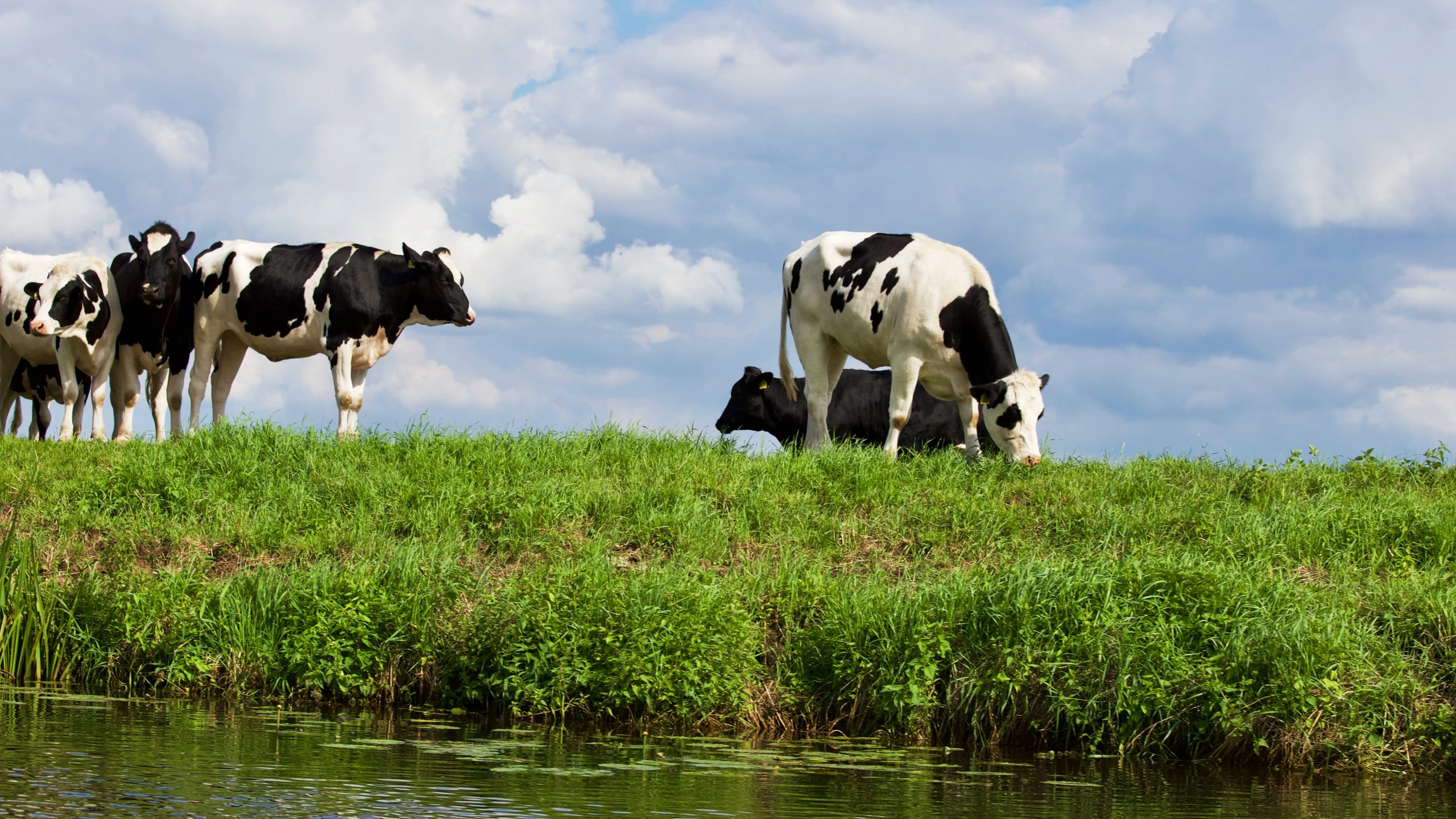
With Ireland's autumn calving season approaching, dairy farmers are being urged to guard against milk fever and the other metabolic disorders that follow it. Milk fever, or hypocalcaemia, is a drop in the cow's blood calcium that typically strikes within 24 hours of calving.
Younger cows and heifers are at less risk than older animals, which is fortunate when many first calvers are in the autumn group under synchronisation programmes. Older cows with poorer fertility are most exposed, because a longer dry period lets them build too much body condition.
A cow that goes down with clinical milk fever is bad enough, but the sub-clinical form can be worse because its cost is hidden or blamed on something else: slow or lazy calvings, retained cleanings and uterine infections from impaired contractions, poor muscle function, reduced rumen motility, lower dry-matter intake and negative energy balance. Those in turn cut milk yield and raise the risk of ketosis or a displaced abomasum, and milk fever in either form can open the door to other problems through the lactation — an expensive chain in a year of razor-thin margins.
Prevention starts with dry-cow minerals, even for cows still at grass: ideally 100–120g per cow per day, especially in the transition period three weeks before and after calving. Housed cows can take it in silage, but with fodder tight this year the smart option may be to dust paddocks, ideally twice a day at 60g a cow. The mineral should carry 22% magnesium and at least 14,000 units of vitamin D; trace elements such as copper, selenium and zinc should be fed from at least six weeks pre-calving.
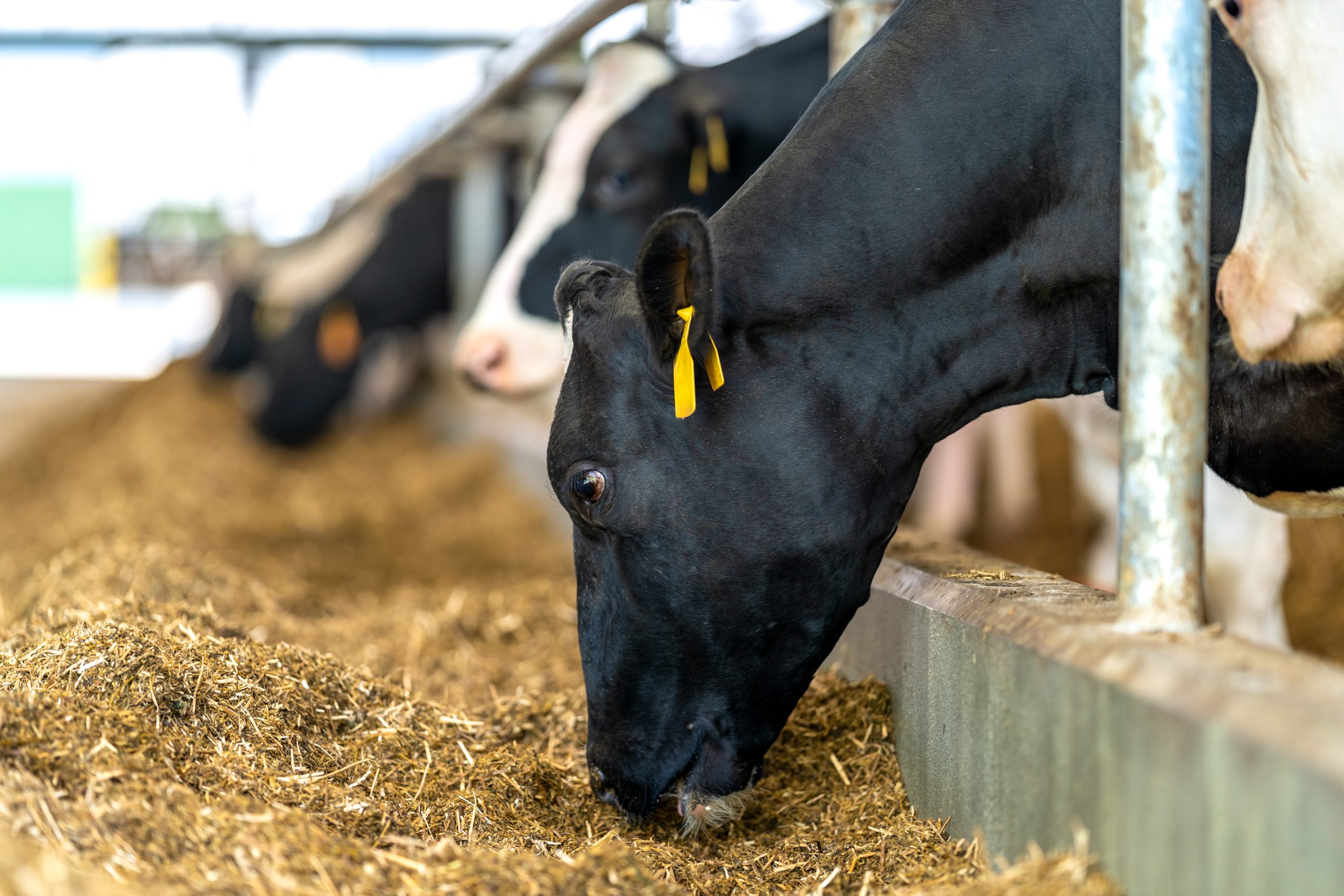
Freshly calved cows benefit from three or four days indoors, separate from the milking herd, for extra nutrition and care until the colostrum period ends. Later-calving cows should be held to 10–11kg of dry matter a day in November to keep body condition under 3.5; over-conditioned cows should be separated, restricted and fed a fibre-rich diet.
Silage should be tested in any case, and certainly on farms with a history of milk fever, because high potassium is often the culprit: the target is silage under 2.2% potassium from four weeks pre-calving. Testing also lets winter-milk herds match meal to the silage's real feed value, neither under- nor over-feeding. At the point of calving, a high-calcium bolus with vitamin D is recommended over calcium bottles under the skin. Cathal O'Shea wrote the advice for Agriland.
Source: Agriland
Comments
(0)