
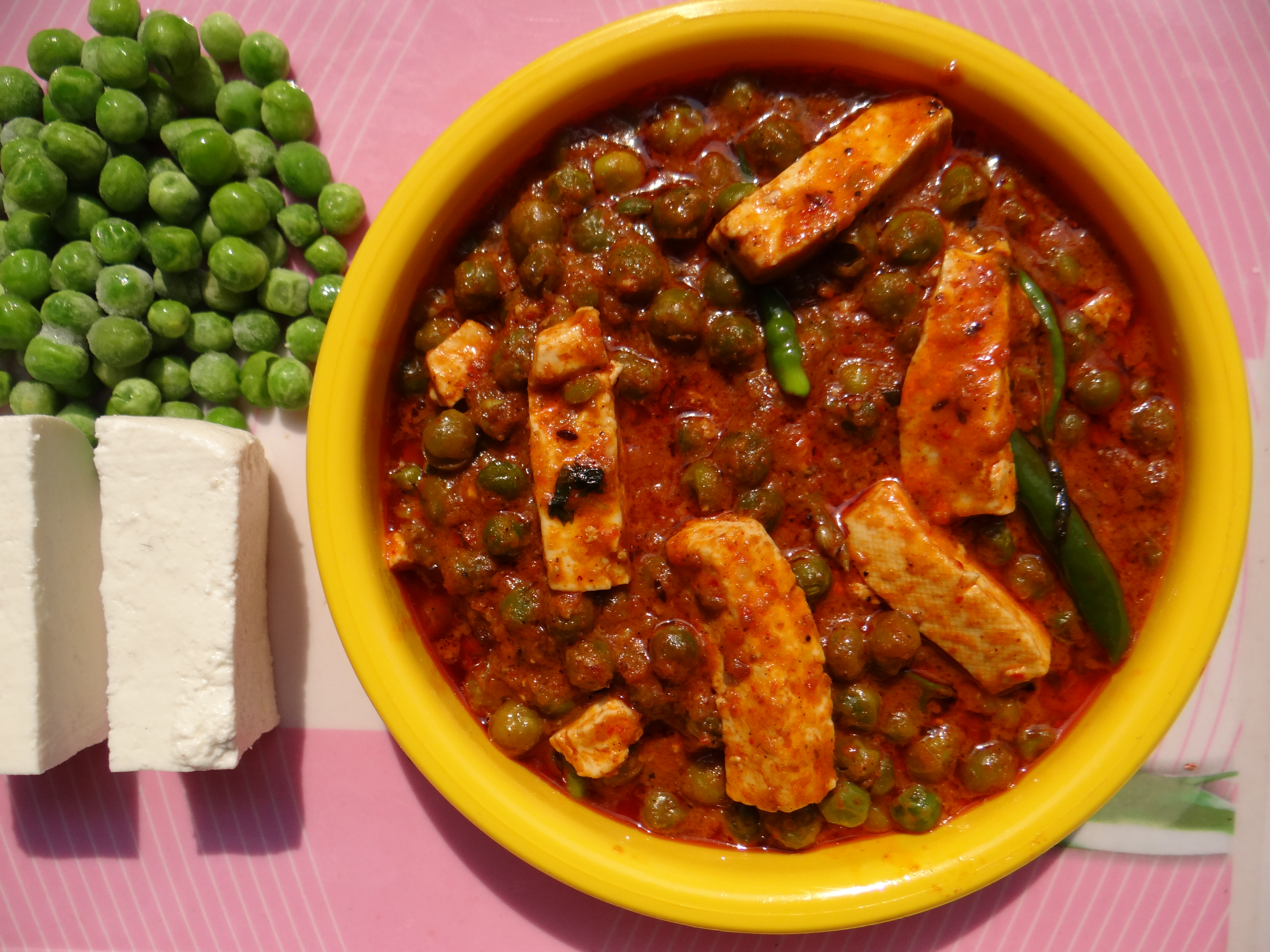
Jagonews24's lifestyle section published a quick recipe for matar paneer on 19 January 2026, in the middle of the winter season when fresh green peas fill the markets of Bangladesh. The dish cooks green peas with cubes of fried paneer, a fresh cheese, in a gravy of onion, ginger, garlic and tomato, enriched with butter and cashew paste, seasoned with garam masala, and served hot with naan, paratha or luchi.
The paper noted that green peas have a special place in the winter kitchen. Because they are easy to find, they go into fish dishes, pulao and vegetable curries almost everywhere, and matar paneer was offered as a way to cook them a little differently. Paneer, it said, is an ingredient that fills the stomach and pleases the mind at the same time.
The recipe is given below as Jagonews24 printed it. It is followed by background on the dish and its relatives in Bengal, on how paneer and the related chhana are made, on the pea as a winter crop, on the spices and the butter in the gravy, on what the main ingredients provide, and on handling milk and paneer safely, drawn from the Food and Agriculture Organization of the United Nations (FAO), Banglapedia, United States Department of Agriculture (USDA) food data, the World Health Organization (WHO) and earlier reporting.
Ingredients
Jagonews24 numbered its list from 1 to 17, but the number 6 was used twice, so the list holds 18 items. The quantities are the paper's own and are kept unchanged; where it wrote only "spoon" without saying which kind, that is also kept. The recipe does not say how many people it serves.
- Paneer cubes: 2 cups
- Green peas: 2 cups
- Green chillies: 4
- Onion paste: 2 cups
- Chilli powder: 1 teaspoon
- Turmeric powder: half a teaspoon
- Garlic paste: half a spoon
- Ginger paste: 1 spoon
- Coriander powder: 1 teaspoon
- Tomato paste: half a cup
- Whole cumin: half a spoon
- Bay leaf: 1
- Cashew nut paste: 2 teaspoons
- Garam masala powder: half a teaspoon
- Butter: 2 tablespoons
- Salt: to taste
- Water: as needed
- Coriander leaves: to garnish
Two more ingredients appear only in the method: the oil in which the paneer cubes are first fried, for which no quantity is given, and the teaspoon of fresh cream added just before serving.
Method
- Fry the paneer cubes in oil until they turn lightly golden, and set them aside.
- Heat the butter in a non-stick pan, add the whole cumin as a tempering (phoron), then add the bay leaf.
- Add the onion paste, ginger paste and garlic paste and fry until their raw smell is gone.
- Add the tomato paste together with the turmeric, salt, garam masala, cashew paste, chilli powder and coriander powder, and cook the mixture down well.
- Add the green peas, the fried paneer and the green chillies and cook them in the spice mixture.
- Pour in enough water and let it boil for 10 minutes.
- When the gravy has thickened, scatter coriander leaves over the top and take the pan off the heat.
- Transfer to a serving dish, drizzle a teaspoon of fresh cream over it and serve hot with naan, paratha or luchi.
The 10 minutes of boiling is the only time the recipe states. The other stages are judged by eye and smell: the paneer is fried until lightly golden, the pastes are fried until their raw smell has gone, and the dish is finished when the gravy has thickened. Frying the paneer first gives the cubes a golden surface before they go into the gravy with the peas.
What matar paneer is
Matar paneer, also written mattar, mutter or muttar paneer, is a vegetarian dish of North India. Reference works describe it as peas and paneer simmered in a tomato-based gravy seasoned with garam masala; potato, corn, yogurt or cream are common additions. It is usually eaten with rice and an Indian bread, which varies by region and may be naan, paratha, poori or roti. Matar is the Hindi word for the pea, and Banglapedia, the national encyclopedia of Bangladesh, gives "motor" as the pea's local name in Bangladesh, where the fresh green seeds are called motorshuti.
Jagonews24's version follows that pattern closely. Its gravy is built on tomato and finished with garam masala and a little fresh cream, and it adds butter and cashew paste for richness. Paneer is cooked in many other well-known gravies of the subcontinent: palak paneer is made with spinach, kadai paneer with bell peppers and spices, shahi paneer in a Mughlai curry, and paneer makhani with butter, tomatoes and cashews, the same three ingredients that enrich this recipe.
Bengal has close relatives of the dish in which the cheese is the soft chhena rather than pressed paneer. Reference works name chhanar koraishutir dalna, a Bengali-style gravy of chhena with green peas and potatoes, and chhena matar tarkari, a dish from Odisha.
Of the three breads the recipe suggests, luchi is the most Bengali. It is a deep-fried flatbread made from maida (refined wheat flour), water and ghee, popular across Bengal, including Bangladesh, and often eaten at festivals. Each luchi is fried separately in a karahi, with hot oil spooned over it so that it puffs up with air, before it is turned and cooked until golden. The poori of North India is a close cousin made from atta, whole wheat flour, instead of maida.
Paneer: a fresh cheese set with acid
Banglapedia explains that cheese is made from the curd that forms when milk is coagulated by an enzyme or an acid; a milk protein called casein plays the central role. By the coagulating agent, cheese falls into two kinds. Rennet cheese is set with rennet, an enzyme traditionally collected from the stomach of a milk-fed calf or kid, though rennet from bacteria is now widely used; eighty per cent of the cheese produced in the world is made this way, and such cheeses are ripened for anything from three days to nine months or longer. Acid cheese is made by adding acid to hot milk. It needs no ripening and takes only several hours to make. Banglapedia names paneer for cooking, cottage cheese, cream cheese and quark as examples.
FAO described paneer in detail in its 1990 study "The technology of traditional milk products in developing countries" (Animal Production and Health Paper 85). Paneer consists mainly of acid-coagulated milk solids, and it was used extensively as an ingredient in many cooked vegetable dishes in northern India, Pakistan, Afghanistan and Nepal. Cow, buffalo or mixed milk may be used, though buffalo milk is preferred. In the traditional method the milk is boiled and the coagulating acid is poured in a thin stream within a minute while the milk is stirred. Draining begins when the whey runs clear. On a commercial scale the curd is pressed into blocks in hoops under weights of about 2 to 3 kilograms per square centimetre for 15 to 20 minutes, cut to size and kept in chilled water for 3 to 4 hours to firm up.
FAO also described the industrial process developed by India's National Dairy Development Board (NDDB). The milk is heated to 85 degrees Celsius, cooled to 75 degrees in a cheese vat, and set with a citric acid solution. The curd is left to settle for 10 to 15 minutes, the whey is drained off, and the curd is pressed in muslin-lined hoops for 10 to 15 minutes at 3 kilograms per square centimetre. The pressed blocks are placed in pasteurised cold water at 4 degrees for 3 hours, then cut into 200-gram or 500-gram portions, wrapped in parchment paper and heat-sealed in plastic bags.
According to the same FAO study, paneer made from cow milk typically contains 52 to 54 per cent moisture, 24 to 26 per cent fat and 16 to 19 per cent protein, while paneer from buffalo milk holds 50 to 52 per cent moisture, 28 to 30 per cent fat and 13 to 15 per cent protein. The yield depends on the quality of the milk and is generally 18 to 20 per cent of the weight of the milk used. At the time, Indian law required paneer to contain no more than 70 per cent moisture and at least 50 per cent milk fat in its dry matter.
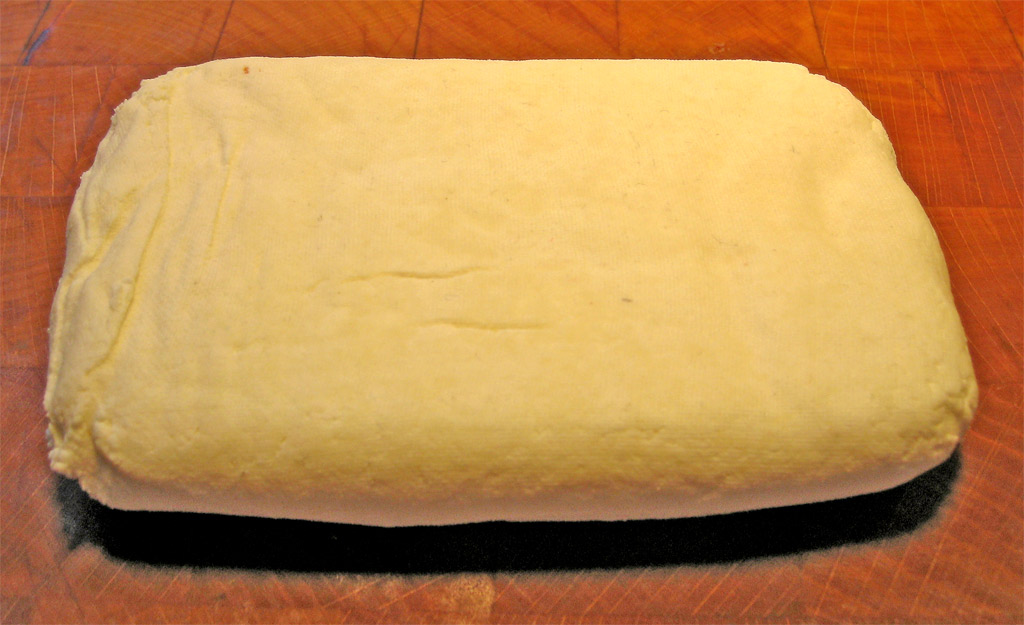
At home the acid can be lemon juice, vinegar, citric acid or dahi (yogurt). The curds are drained in muslin or cheesecloth and the water is pressed out; reference works note that pressing for about 20 minutes gives a softer, fluffier cheese, while the firm North Indian paneer that is cut into cubes is pressed under a heavy weight for 2 to 3 hours. Firm, cubed paneer of that kind is what this recipe fries before adding it to the gravy.
The word paneer comes through Hindi-Urdu from the Persian panir, meaning cheese, and the Bengali word ponir has the same root. Where the cheese itself began is debated. FAO wrote in 1990 that paneer seems to have been introduced into India from the Middle East, perhaps by Persian and Afghan invaders, and that its consumption had spread to other parts of India only in the previous four decades.
Paneer, chhana and cheese in Bangladesh
In Bengal the acid-set curd of milk is best known as chhana. FAO's 1990 study explains that chhana differs from paneer in that no pressure is applied to remove the whey, and that it is widely used in the eastern parts of India and in Bangladesh. Cow milk is preferred because it gives a soft-bodied, smooth chhana suited to high-grade sweets; buffalo milk gives a slightly hard, greasy and coarse chhana that does not make good sweets. Banglapedia likewise notes that buffalo milk is not suitable for chhana.
Banglapedia describes chhana as formed by adding sour whey and a strong citric acid solution to boiling milk. Because the boiling destroys all the biological agents in the milk, chhana can never be ripened. It is the main base for a wide range of sweets, among them rosogolla, sandesh, kanchagolla, chamcham, manda and malaikari; the kanchagolla of Natore and the chamcham of Tangail are among the famous ones. The encyclopedia's entry on sweetmeats adds that, unlike northern Indian and Pakistani sweets made from thickened milk, Bengali sweets are made from curdled milk.
Pressed and salted cheeses also have a long history in the region. FAO recorded Bandel cheese, an unripened, salted soft cheese of cow's milk made in perforated pots around Bandel, a former Portuguese settlement in eastern India, and a "Dacca" cheese of the eastern region, similar to Bandel except that the finished flat, round cheeses are smoked over a fire. Reference works also describe a Bengali and East Indian ponir in which chhena is kneaded to a dough, heavily salted and hardened, then eaten sliced with biscuits or bread, or deep-fried.
Banglapedia's entry on cheese, last revised in October 2023, says cheese was becoming popular in Bangladesh very fast and that many small and large cheese factories had been set up in areas such as Thakurgaon, Rangpur, Kishoreganj, Sirajganj and Munshiganj. Its entry on dairy products singles out the cheese of Austogram, a village in Kishoreganj district, as famous for its quality and taste.
Green peas, a winter crop
Banglapedia lists the pea, Pisum sativum of the legume family, among the nearly 100 kinds of vegetable, local and exotic, grown in Bangladesh. The encyclopedia names cabbage, cauliflower, tomato, brinjal, radish, hyacinth bean and bottle gourd as the country's major winter vegetables, and the pea belongs to the same cool season.
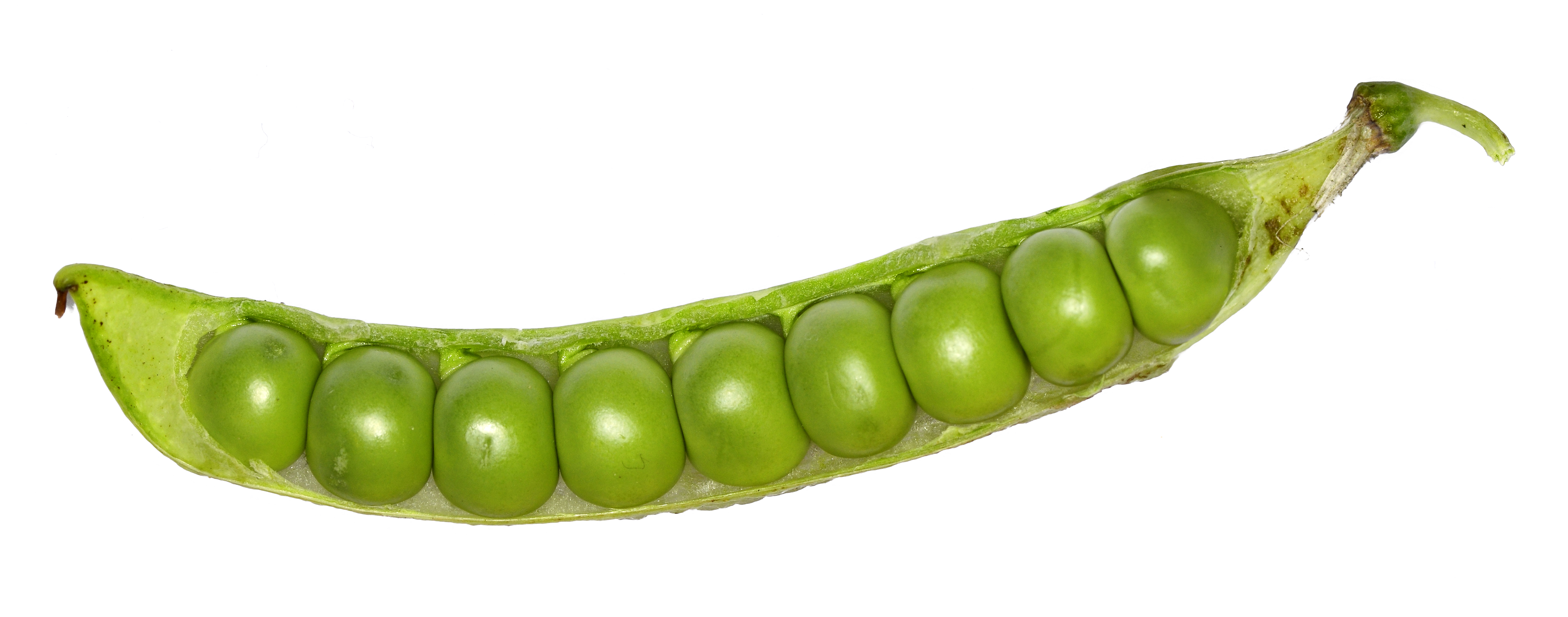
The reason lies in the plant itself. The pea is an annual whose pods, usually green and about 4 to 10 centimetres long, each hold several seeds. Reference works note that the seed can be sown once the soil reaches 10 degrees Celsius, that the plant grows best at 13 to 18 degrees, and that it struggles in the hot summers of lowland tropical climates; many varieties mature about 60 days after planting. Garden peas are picked immature and eaten fresh, frozen or canned, as in this recipe, while field peas are grown for their dry seed.
The pea is one of the oldest crops of the region. The wild plant is native to the Mediterranean Basin and the Near East. Archaeological finds show that peas had reached the Harappan civilisation, in present-day Pakistan and north-western India, by 2250 to 1750 BC, and the Ganges basin in the second half of the second millennium BC.
The Daily Star reported from Natore on 26 January 2020 how the crop fits Bangladesh's farming year. Farmers in seven upazilas of the district were growing green peas, known locally as motorshuti, as a bonus crop on land that used to lie fallow between the Aman and Boro rice seasons. The area under the crop in the district had grown to 1,195 hectares that season from 715 hectares the season before. Farmers sowed in October and November and harvested in January and February; one grower described it as a short crop of about three months, and another said no ploughing was needed in the paddy fields. The Sadar upazila agriculture officer said such land had been left idle eight to ten years earlier, and the report noted that, as a pulse crop, the pea raises soil fertility. A trader sold the district's peas in markets as far as Dhaka and Narayanganj, and women earned Tk 100 to Tk 200 a day picking pods.
By that calendar, a recipe published on 19 January falls in the harvest weeks, when fresh peas are at their most plentiful. Worldwide, according to FAOSTAT figures for 2023 cited in reference works, green pea production was 21,484,769 tonnes, led by China with 11,821,097 tonnes and India with 6,592,000 tonnes, followed by Pakistan with 401,866 tonnes.
The spices, the butter and the cashew
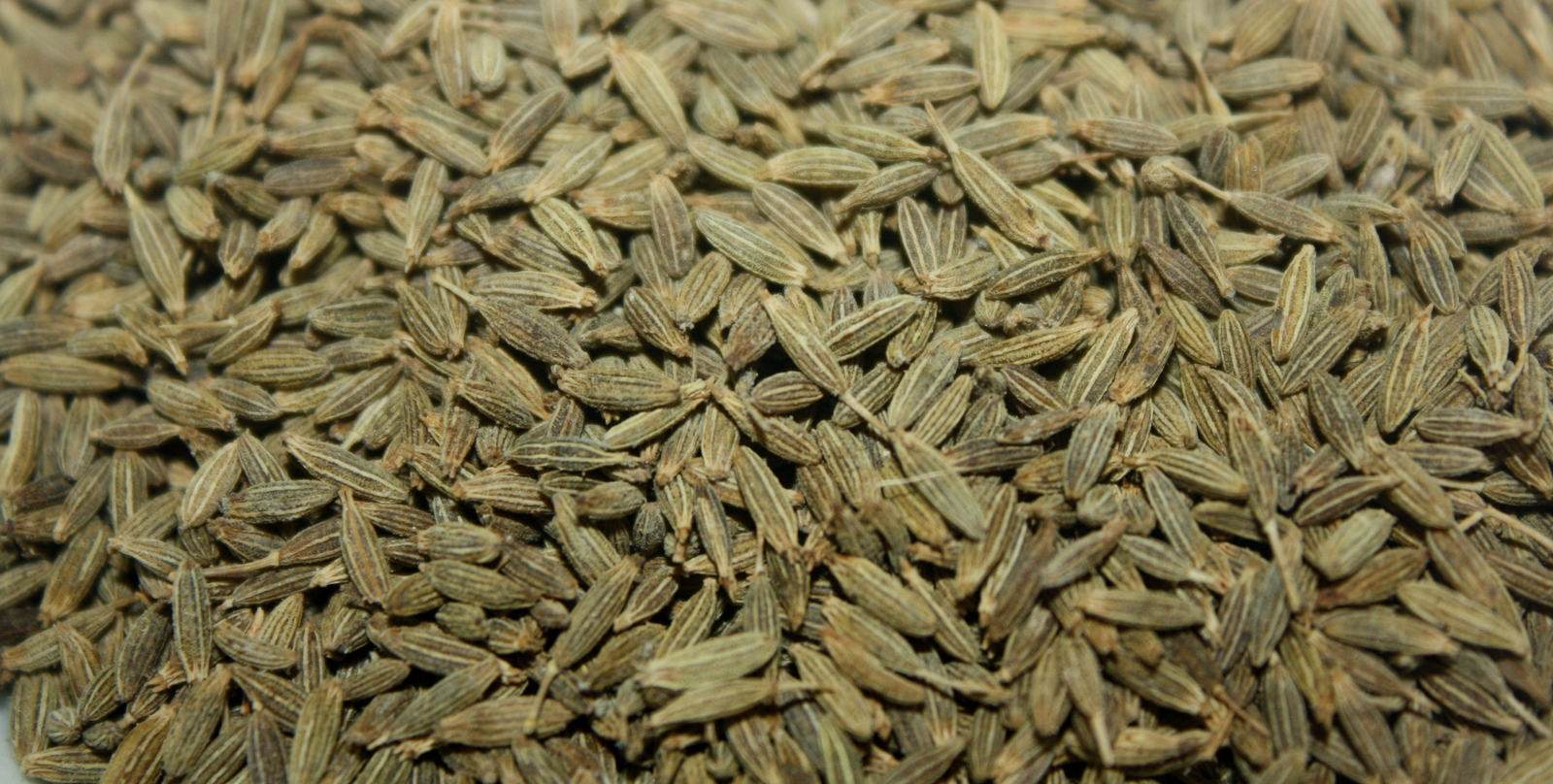
Banglapedia defines a spice as any aromatic plant, plant part or plant product used to season or flavour food; its value lies in its aroma, the essential oil, and spices are not counted as food because they lack the necessary nutritional value. The spices in this recipe come from different parts of their plants: ginger and turmeric from the rhizome, coriander, cumin and chilli from the fruit, and bay leaf and coriander leaf from the leaf. Ginger, garlic, turmeric, onion, red pepper, coriander and Indian cassia are among the spices commonly grown in Bangladesh, while a large quantity of spices is imported from India, Malaysia and Indonesia.
The bay leaf of Bengali cooking, tejpata, is not the European laurel. Banglapedia identifies it as the dried leaf of Cinnamomum tamala, a small tree of Indian origin in the laurel family, grown commercially in the eastern Himalaya. In Bangladesh it is one of the most common spices and is grown commercially in the uplands and hillocks of Sylhet, while grafted plants are raised in many orchards and homestead gardens.
Coriander gives the recipe both its ground spice and its garnish. Banglapedia describes Coriandrum sativum as a strong-smelling annual herb, native to the Mediterranean region and widely grown in Bangladesh as a winter crop. It is sown in October and November and matures in 90 to 105 days, yielding 1,000 to 2,000 kilograms of dried fruit per hectare. The dried seeds are an important ingredient of curry powder, and the young plants are used in chutneys, sauces and curries. Garlic, Allium sativum, is another cool-season plant: Banglapedia says it is planted in November and December and grown across the country, with emphasis on Faridpur, Jessore, Rajshahi, Rangpur, Dinajpur, Pabna, Dhaka and Comilla.
Garam masala means "hot" or "warm" spices. Banglapedia describes the popular mix as a combination of clove, black pepper, cinnamon and cardamom, used mostly in special meat curries and rice dishes. Reference works note that blends vary across the subcontinent with region and taste, that none is considered more authentic than another, and that the ground mix is often added shortly before cooking finishes. In this recipe it goes in with the tomato paste, cashew paste and the other ground spices.
The fat in the gravy is butter, with a little fresh cream at the end. Banglapedia describes butter as made by churning cream that contains 35 to 42 per cent milk fat; an average butter contains 82 per cent fat, 0.4 per cent protein, 15 per cent water and 2 per cent salt, with vitamins A and D. Cream, known locally as malai or sar, contains at least 18 per cent milk fat. Cashew nuts, ground to a paste here, are also among the flavourings Banglapedia lists for Bengali sweets, along with cassia leaves, cardamom, raisins and orange rind.
What the main ingredients provide
USDA food composition data for raw green peas, as cited in reference works, give per 100 grams 79 grams of water, 81 kilocalories, 14.45 grams of carbohydrate, of which 5.67 grams are sugars, 5.1 grams of dietary fibre, 5.42 grams of protein and 0.4 grams of fat. The same 100 grams carry 40 milligrams of vitamin C, 24.8 micrograms of vitamin K, 65 micrograms of folate, 1.47 milligrams of iron, 244 milligrams of potassium and 25 milligrams of calcium.
Paneer is far richer. By FAO's figures it holds 24 to 30 per cent fat and 13 to 19 per cent protein depending on the milk, and Banglapedia gives cheese in general 20 to 30 per cent fat and 15 to 20 per cent protein. With two cups of paneer, two tablespoons of butter, cashew paste and a spoon of cream, matar paneer is a rich dish rather than a light one.
WHO's guidance offers a frame for such dishes. In guidelines on fats and carbohydrates released on 17 July 2023, it recommended that adults keep total fat to 30 per cent or less of their total energy intake, that saturated fat supply no more than 10 per cent and trans fat no more than 1 per cent, and that adults eat at least 400 grams of vegetables and fruits and at least 25 grams of naturally occurring dietary fibre a day. In January 2013 WHO advised adults to take less than 2,000 milligrams of sodium a day, about 5 grams of salt, which matters in a recipe that leaves salt "to taste". Anyone with a health condition or on a special diet should ask a doctor or a qualified nutritionist how such a dish fits their meals.
Handling milk and paneer safely
Paneer and chhana are only as safe as the milk and the hands they pass through. Banglapedia notes that most milk in Bangladesh is consumed after boiling for not less than 20 minutes, and that the pasteurised milk sold in several cities is heated to at least 63 degrees Celsius for at least 30 minutes, or to at least 72 degrees for at least 15 seconds, to destroy disease-causing microorganisms, and then cooled at once to 4.4 degrees or less.
FAO's 1990 study named the lack of hygiene in the preparation and handling of traditional milk products, and their short shelf life, as the main weakness of the sector in the region; it noted that khoa, chhana and paneer had no quality control and that traditional paneer was usually sold in pieces without packaging. The industrial process it described, by contrast, cools the blocks in pasteurised cold water and seals them in packs.
WHO's "Five keys to safer food", published in 2006, sum up the kitchen side: keep clean; separate raw and cooked food; cook thoroughly; keep food at safe temperatures; and use safe water and safe raw materials. For this recipe that means making paneer only from boiled or pasteurised milk, keeping it cold until it is used, bringing the gravy to a full boil for the 10 minutes the recipe asks, and serving the dish hot, as Jagonews24 advised.
Photo: Mdsmds0 / Wikimedia Commons (CC BY-SA 4.0)
Sources: Jagonews24, FAO (The technology of traditional milk products in developing countries, 1990), Banglapedia, The Daily Star, USDA FoodData Central, World Health Organization, Wikipedia (Mattar paneer, Paneer, Pea, Garam masala, Luchi)


Comments
(0)