
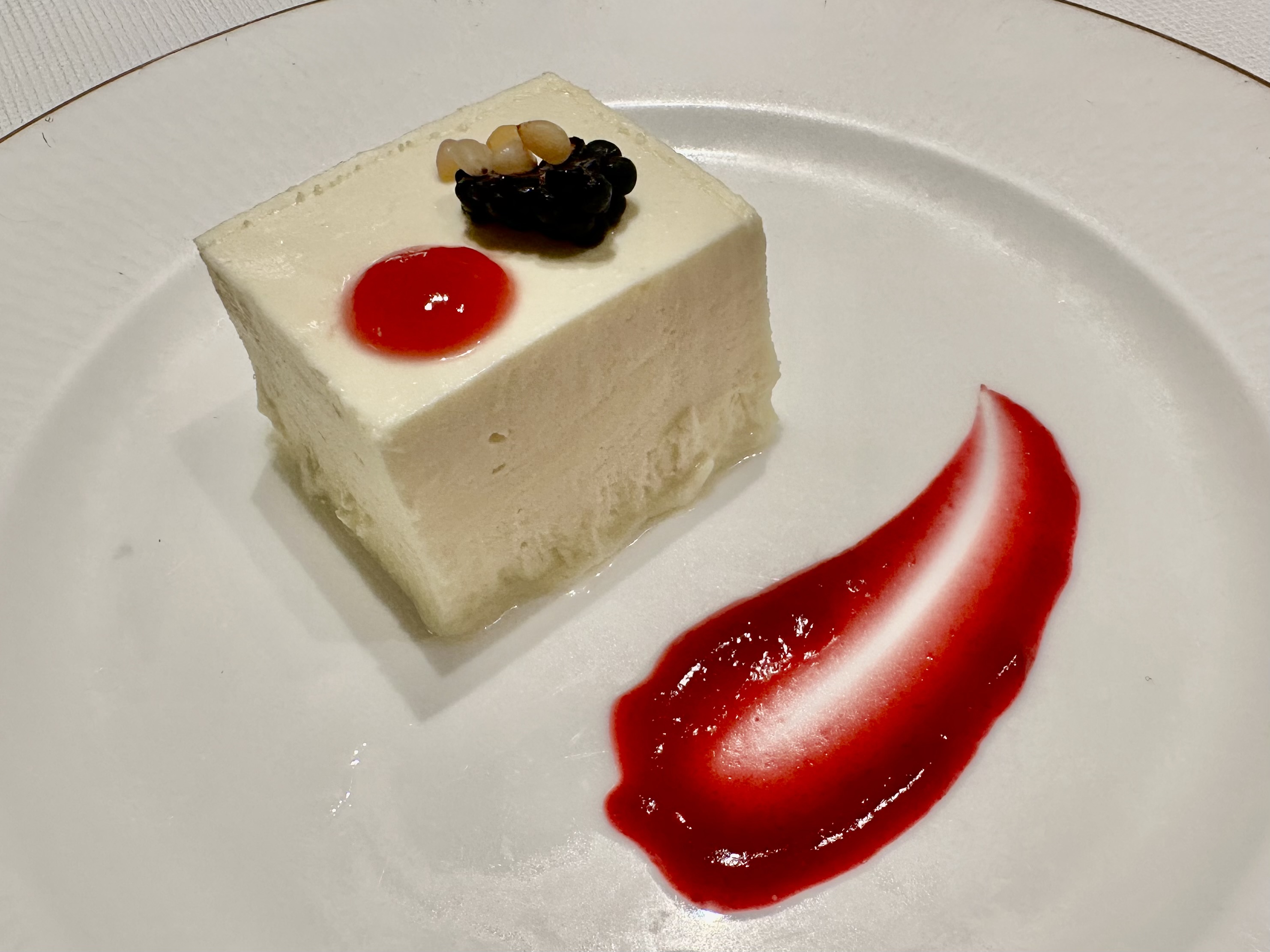
On 15 July 2026 the lifestyle section of Jagonews24 published a recipe for mango posset, a cold, creamy dessert made with ripe mango, and suggested that readers make it before the mango season ended. The report described the dish as smooth, creamy and melting in the mouth, made from only a few ingredients, attractive to look at and good to taste. It said the dessert was easy to serve when guests arrive or when a family wants to mark a special moment. The method is simple: the mango flesh is blended to a puree, cream and sugar are heated and brought to the boil, the puree, lemon juice and lemon zest are stirred in, and the mixture is strained into small glasses and left in the fridge overnight to set.
The recipe appeared in the middle of July, when Bangladesh's mango harvest was moving into its last stage. Under the harvesting calendar announced by the Rajshahi district administration that May, Ashwina mangoes could be picked from 10 July and Gourmati from 15 July, the day the recipe was published. This report sets out the recipe as Jagonews24 gave it, explains what a posset is and why cream and lemon thicken into a soft set, and gives the background on the mango crop and on safe handling of fruit and cream from food safety authorities.
The recipe as Jagonews24 published it
The dessert needs five ingredients, with a little extra mango and lemon zest for the top. The quantities and the order of work below are as the original report gives them.
- 2 ripe mangoes
- 2 cups heavy or whipping cream
- Half a cup of sugar
- 2 tablespoons lemon juice
- A little lemon zest (the finely grated outer rind of the lemon)
- Mango cubes to serve
The method, step by step:
- Peel the mangoes, remove the stones and blend the flesh into a smooth puree.
- Put the cream and sugar in a saucepan and heat over a medium flame.
- When the sugar has melted completely and the mixture comes to the boil, take the pan off the heat.
- Add the mango puree, the lemon juice and the lemon zest to the hot cream and mix well.
- Pour the mixture through a sieve and divide it among small glasses or dessert bowls.
- Let it cool to room temperature, then put it in the fridge overnight to set.
- When it is firmly set, scatter small pieces of mango and a little lemon zest on top and serve chilled.
Straining removes any mango fibres and pieces of zest before the mixture goes into the glasses. The night in the fridge is part of the method rather than a serving suggestion, because the dessert sets only as it chills; a posset for guests therefore has to be made the day before.
What a posset is and where it comes from
Posset is an old English name. The Oxford English Dictionary traces the word to the fifteenth century, when Latin word lists glossed it with spellings such as "poshet", "possyt" and "possot". In that period a posset was not a dessert but a hot drink: milk was heated to the boil and curdled with wine or ale, and was often spiced. Fifteenth-century recipes, in an edition by Constance Hieatt and Eulalia Pensado, tell the cook to boil the milk, add the wine or ale "and no salt", let it cool, gather the curds, discard the whey and season with ginger and sugar.
Writing in Smithsonian magazine in 2010, Lisa Bramen quoted John Ayto's book The Glutton's Glossary, which says the warm, creamy forerunner of eggnog was "all the rage in the late Middle Ages". Recipes varied widely, she wrote, but usually combined cream, sugar and egg with wine or beer, and were thickened with bread, biscuits, oatmeal or almond paste, which formed a top layer. One seventeenth-century recipe she cited boiled a quart of thick cream with whole spice and beat in sixteen eggs, after which the mixture would "become like a cheese". The drink also appears in Shakespeare's Macbeth, where Lady Macbeth drugs the possets of the guards outside Duncan's room.
Posset had its own vessel. Posset pots, made of ceramic or metal, looked like large two-handled teapots. Because the posset was both a drink and a dessert, with a thick, sweet layer floating on the liquid, the spout let the liquid be drunk separately while the thick layer was eaten with a spoon. Bramen wrote that the pot was often passed around at English weddings to toast the bride and groom, and that the Shelburne Museum in Vermont once compared its design to a toddler's sippy cup.

The hot drink has long since gone out of use. In Britain, Bramen noted, the word has come back for something else: a light, creamy dessert similar to a syllabub, which she described as a creamy drink or dessert of sweetened cream, traditionally made with wine and sometimes beaten egg whites. The mango posset in the Jagonews24 recipe is of this modern dessert kind: it is made of cream, sugar and lemon, contains no wine, ale or egg, and takes its colour and flavour from the mango puree.
Why cream and lemon set without gelatine or eggs
The recipe uses no gelatine, agar, cornflour or egg, yet the mixture becomes firm in the fridge. The explanation lies in the chemistry of milk, which dairy scientists describe in detail. According to the Dairy Processing Handbook published by Tetra Pak, casein makes up about four-fifths of the proteins in milk. Casein molecules cluster into particles called micelles, between 50 and 500 nanometres across, built of hundreds or thousands of protein molecules; the light they scatter is largely what makes skim milk look white.
When acid is added to milk, the handbook explains, two things happen. The calcium phosphate held inside the micelles dissolves, and the acidity of the liquid moves towards the point at which the casein proteins carry no net electrical charge. The protein particles stop repelling one another, grow by joining together and end as a more or less dense coagulum. The handbook gives pH 4.6 as the practical value for precipitating casein from milk, and notes that cultured milk products usually have a pH between 3.9 and 4.5. Heating also changes the proteins: when milk is heated, the serum proteins that become denatured attach themselves largely to the surface of the casein micelles, and most of these links are not undone by cooling.
Lemon juice supplies the acid in a posset. Cream supplies a large amount of fat with relatively little water. The U.S. Department of Agriculture's FoodData Central lists heavy whipping cream at 36.1 grams of fat, 2.84 grams of protein and 57.7 grams of water per 100 grams, while milk fat sits in the liquid as tiny globules, each wrapped in a membrane only 10 to 20 nanometres thick, according to the Tetra Pak handbook. Fifteenth-century cooks curdled milk with wine or ale and then separated the curds from the whey. The modern posset uses cream instead, and the acid goes into the cream while it is hot and sweetened. In the Jagonews24 method the mixture is still a liquid when it is poured into the glasses and thickens only as it chills overnight, which is why the recipe calls for cream, boils it first and gives the dessert a full night in the fridge.
The mango behind the dessert
The fruit at the heart of the recipe is Mangifera indica, of the family Anacardiaceae. Banglapedia, the national encyclopedia of Bangladesh, notes that according to some authorities the cultivated mango is indigenous to the eastern part of the Indian subcontinent, including Bangladesh, Assam in India and Myanmar. One of its Sanskrit names, "am", meant stored food or provisions, which the encyclopedia takes as a sign of its value in ancient times. The Chinese traveller Hiuen Tsang, who visited India between 632 and 645 AD, is credited with first bringing the mango to the attention of the outside world, and the Mughal emperor Akbar, who ruled from 1556 to 1605, planted about 100,000 mango trees in an orchard near Darbhanga, considered the first organised mango orchard of the subcontinent. The English word comes from the Tamil man-key or man-gay, which the Portuguese adopted as manga.
Banglapedia describes the mango tree as an evergreen that can grow more than 20 metres tall and 30 metres wide when planted with wide spacing. Its small, fragrant flowers grow in large clusters of 100 to 250 buds, and only about one or two flowers in a thousand become a mature fruit. The fruit is a fleshy drupe with a single stone; the smallest are no larger than plums, while others weigh 750 grams to a kilogram. Fog, rain or cloudy weather in January to March, when the trees flower, reduces fruit setting, and storms and hail can bring down immature fruit.
Bangladesh's mangoes fall into two groups, the encyclopedia says: superior varieties propagated by grafting, and local seedling trees, known as deshi or guti mangoes, which have no recognised varietal names and whose taste is not assured. Among the best-known superior varieties it lists Fazli, Langra, Gopalbhog, Himsagar, Khirsapat, Ashwina, Kishanbhog, Lata Bombai, Kohitoor, Lakshmanbhog, Mohanbhog and Misribhog, mostly grown in Rajshahi, Chapainawabganj and Dinajpur. Grafted trees begin to bear in the fourth year after planting and keep bearing until about the 45th year; seedling trees may bear for 60 years or more. Banglapedia also notes that the Department of Agricultural Extension (DAE) produces and distributes grafts of elite varieties, and that the horticulture division of the Bangladesh Agricultural Research Institute (BARI) has research stations at Rajshahi, Chapainawabganj and Joydebpur.
For a posset the variety matters less than ripeness. The recipe calls for ripe mangoes, whose soft, sweet flesh blends to a smooth puree; the encyclopedia notes that ripe mango is eaten fresh and also made into jam, jelly, squash and similar products, while green mango goes into curries, dal, chutney and pickle.
Bangladesh's mango harvest in 2026
The Dhaka Tribune reported on 10 July 2026 that, according to the DAE, Bangladesh produced 2.66 million tonnes of mangoes from 205,205 hectares in the 2024-25 season. The same report gave the season's estimates for the leading districts: Chapainawabganj, the largest producer, about 469,000 tonnes from 37,498 hectares; neighbouring Naogaon, an expected 387,000 tonnes from 30,321 hectares; Rajshahi, a target of 256,000 tonnes from 19,062 hectares; and Natore, a target of 68,000 tonnes from 5,693 hectares.
The Daily Star reported on 7 July 2026 that the country produces 24 to 25 lakh tonnes of mangoes a year for a domestic market worth Tk 13,000 to 14,000 crore, with domestic demand of around 18 to 20 lakh tonnes. According to the Regional Horticulture Research Centre in Chapainawabganj, also known as the Mango Research Station and described as the country's only dedicated mango research facility, Bangladesh grows an estimated 800 to 850 mango varieties, more than 100 of them commercially, across Rajshahi, Chapainawabganj, Naogaon, Rangpur, Dinajpur, Thakurgaon, Lalmonirhat, Kushtia, Jashore, Satkhira, Meherpur and Natore. The centre's chief scientific officer told the paper that production had crossed 25 lakh tonnes that year and that the larger harvest had pushed prices down slightly from the year before.
Very little of the crop leaves the country. DAE figures quoted by The Daily Star show exports of 1,321 tonnes in FY2024 and 2,194 tonnes in FY2025, after a peak of 3,100 tonnes in FY2023, and 1,408 tonnes in the 2026 season by early July. The DAE was running an Exportable Mango Production Project in 46 upazilas of 15 districts, covering good agricultural practices, farmer training and orchard mapping. The Dhaka Tribune reported that Bangladeshi mangoes were being exported to 38 countries in Europe and the Middle East.
Some varieties carry a legal mark of origin. On 27 January 2019 the Khirsapat mango of Chapainawabganj, popularly known as Himsagar, received Geographical Indication status from the Department of Patents, Designs and Trademarks, The Daily Star reported at the time. It was the third Bangladeshi product to be recognised in this way, after hilsa and jamdani, and the certificate was received by the director of BARI's Horticulture Research Centre.
Why mid-July marks the end of the season
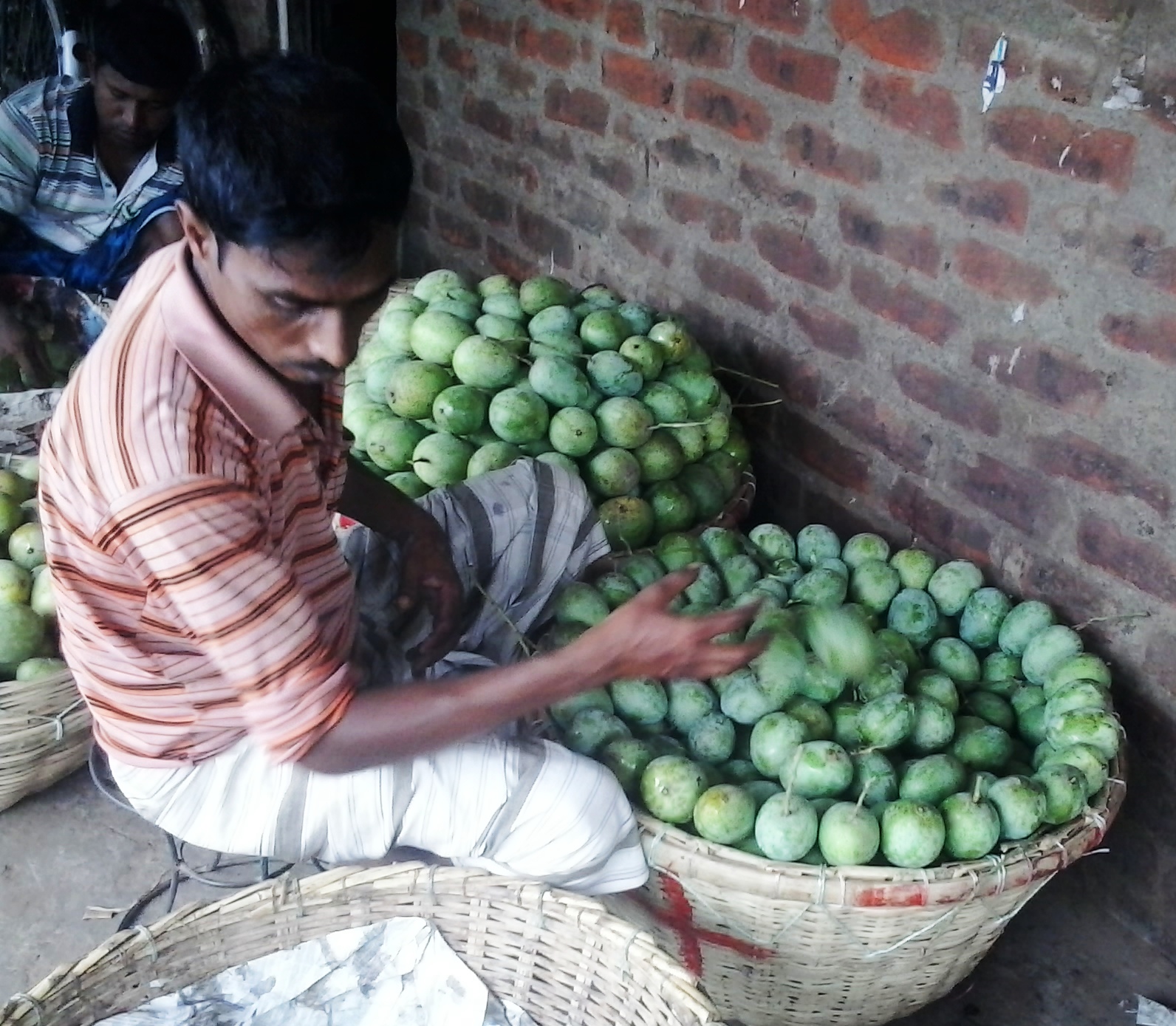
The Jagonews24 headline urged readers to make the dessert before the season ended, and the dates bear it out. The Daily Star reported that the harvest typically runs from mid-May through August, with peak availability stretching into July. In Rajshahi, picking is governed by a "mango calendar" that the district administration announces each year to keep immature fruit off the market. Bangla Tribune reported that the 2026 calendar was announced on 10 May at a meeting in the deputy commissioner's office attended by growers, traders and officials of the DAE and the fruit research centre.
The 2026 calendar set these dates from which each variety could be harvested and sold:
- Guti (local seedling) mangoes: 15 May
- Gopalbhog: 22 May
- Ranipasand and Lakshmanbhog: 25 May
- Himsagar or Khirsapat: 30 May
- Langra and Banana mango: 10 June
- Amrapali and Fazli: 15 June
- BARI Aam-4: 5 July
- Ashwina: 10 July
- Gourmati: 15 July
- Katimon and BARI Aam-11: any time of year
The meeting also decided that guti mangoes that ripen early could be picked before their date with the approval of the upazila agriculture officer. The deputy commissioner said that mangoes taken down before the set dates and sent to market would draw legal action. People in the farm sector quoted in the report said that harvesting on time keeps the taste, colour and nutritional quality of the fruit, and reduces the chance of immature or chemically treated mangoes reaching buyers.
By 15 July, then, the early and mid-season favourites such as Gopalbhog, Himsagar and Langra had been on sale for weeks, and the late varieties, Ashwina, BARI Aam-4 and Gourmati, were the main mangoes still to come. Only Katimon and BARI Aam-11, which the calendar allowed to be picked all year, stood outside the seasonal cycle.
Washing the fruit and handling cream safely
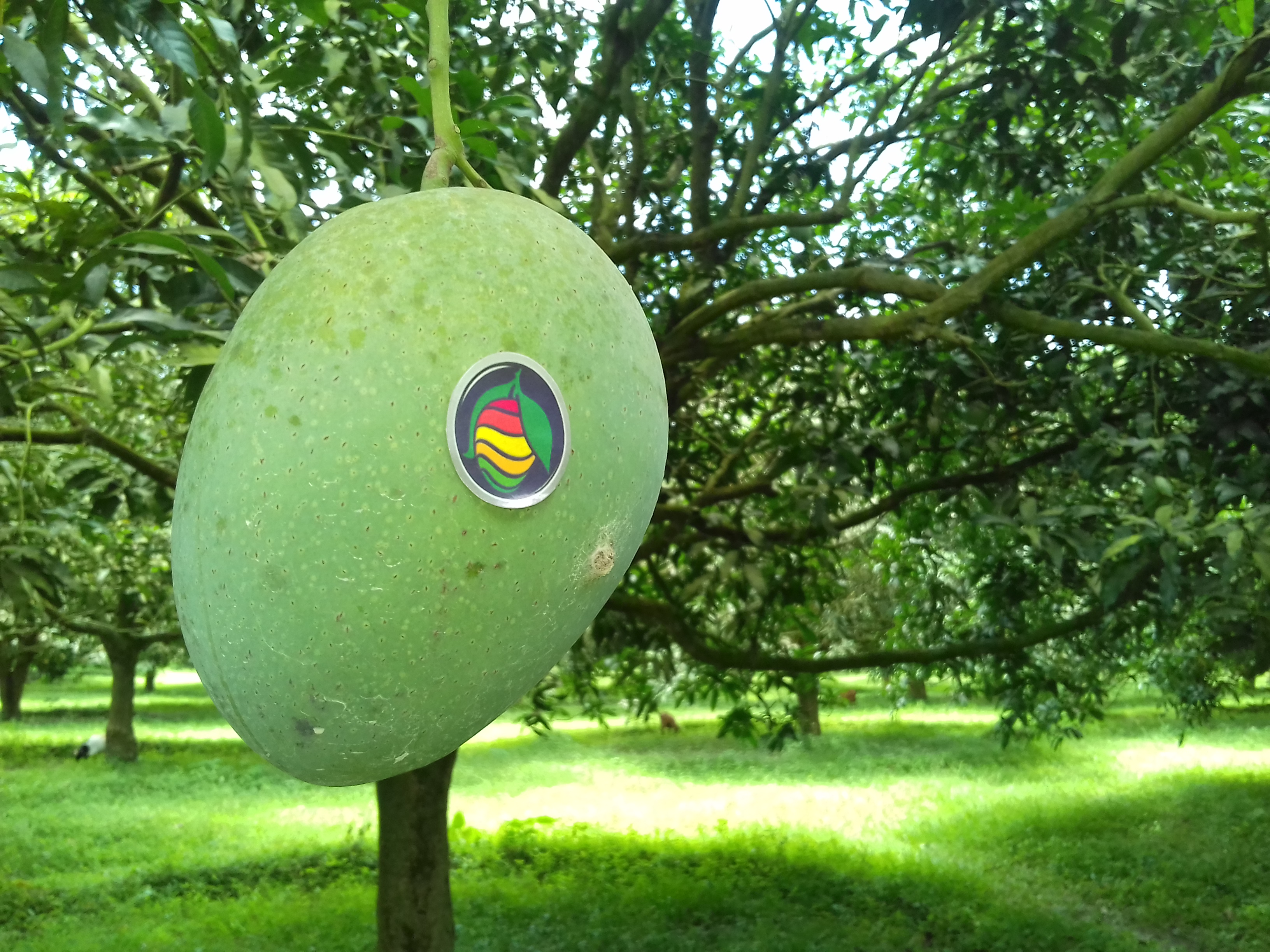
A posset is a chilled dairy dessert made with fresh fruit and lemon peel, so the basic food safety rules for produce and for chilled food both apply. The U.S. Food and Drug Administration (FDA) advises choosing produce that is not bruised or damaged and cutting away any damaged or bruised parts before preparing it. Its other recommendations are:
- Wash your hands for 20 seconds with warm water and soap before and after preparing fresh produce.
- Rinse produce before you peel it, so that dirt and bacteria are not carried from the knife onto the fruit.
- Rub the produce gently under plain running water; there is no need for soap or a produce wash.
- Use a clean brush to scrub firm produce.
- Dry the produce with a clean cloth or paper towel.
The advice to rinse before peeling applies to mangoes even though their skin is thrown away. The lemon should be washed in the same way before it is zested, since in this recipe the grated rind itself goes into the dessert.
The Food Standards Agency (FSA) of the United Kingdom advises keeping a fridge between 0 and 5 degrees Celsius and storing dairy products, cooked dishes and any food with a use-by date in it. Hot or warm food should not go straight into the fridge: the agency says to cool cooked food at room temperature and put it in the fridge within one to two hours, dividing it into smaller portions to cool it faster. That matches the recipe's instruction to let the glasses cool before chilling them overnight; small individual glasses also cool more quickly than one large bowl. The FSA says chilled food should spend as little time out of the fridge as possible during preparation, at most four hours, and that leftovers kept in the fridge should be eaten within 48 hours.
What the main ingredients contain
FoodData Central, the U.S. Department of Agriculture's food composition database, gives these values for 100 grams of raw mango: 60 kilocalories, 83.5 grams of water, 15 grams of carbohydrate, of which 13.7 grams are sugars, 1.6 grams of fibre, 0.82 grams of protein and 0.38 grams of fat, along with 36.4 milligrams of vitamin C, 54 micrograms of vitamin A, 43 micrograms of folate and 168 milligrams of potassium.
The other ingredients are very different. The same database lists 100 grams of heavy whipping cream at 340 kilocalories and 36.1 grams of fat, and 100 grams of raw lemon juice at 22 kilocalories, 92.3 grams of water, 6.9 grams of carbohydrate and 38.7 milligrams of vitamin C. With cream and added sugar as its base, a posset is a rich dessert, usually served in small glasses. Anyone following a diet for diabetes, heart disease or another condition should ask a doctor or a qualified dietitian how such desserts fit into it.
Photo: Richard N Horne / Wikimedia Commons (CC BY 4.0)
Sources: Jagonews24, The Daily Star, Dhaka Tribune, Bangla Tribune, Banglapedia, Smithsonian Magazine, Wikipedia (Posset), Tetra Pak Dairy Processing Handbook, U.S. Department of Agriculture FoodData Central, U.S. Food and Drug Administration, UK Food Standards Agency


Comments
(0)