
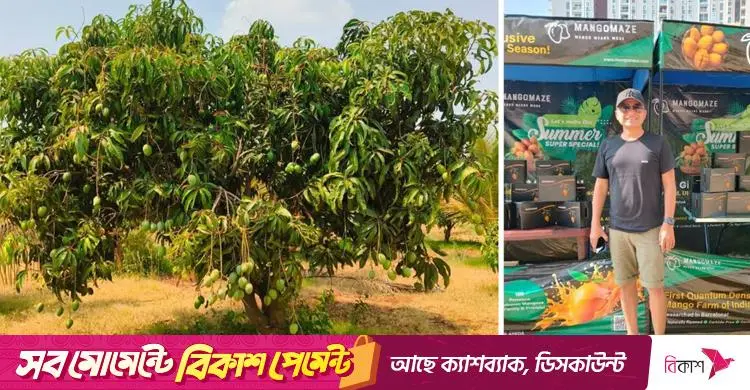
A mango orchard in Bengaluru, India, is using drones, drip irrigation and sensors to manage its 25,000 mango trees with precision, setting a new example for the country's agriculture.
Behind the project is Suraj Panigrahi, a technology professional turned farmer and former student of BITS Pilani who previously worked at Wipro, Nokia and MakeMyTrip. He says there are solutions beyond the view of those used to seeing farming only in traditional ways.
High density and precise care
The farm plants 1,450 trees per acre using a special method, 15 times denser than conventional planting, raising production up to sevenfold. This season the orchard aims to produce more than 40 tonnes of mangoes.
- Artificial Intelligence (AI)-powered drones detect tree health and pests.
- Drip irrigation cuts water use by up to 70 percent.
- A solar weather station and microclimate sensors monitor field conditions.
- Neem oil is used as a natural pesticide and bees for pollination, raising output by 25 to 30 percent while maintaining fruit quality.
The farm's technology head, Prashant Patalay, said care is set individually for each tree, and this precise approach has raised both fruit quality and output.
Aiming for export markets
Suraj's goal is not only higher production but bringing India's Hapus (Alphonso) mango up to export standard for international markets. "We want Indian mangoes to become a brand like Europe's best wines," he said. "The future of farming depends not only on what is grown, but on how it is grown."
Such a combination of technology and farming is opening a new horizon for Indian agriculture, the report says. Jagonews24's report was based on The Better India.
Source: Jagonews24. First published in Bengali on The Agro News.
Comments
(0)