
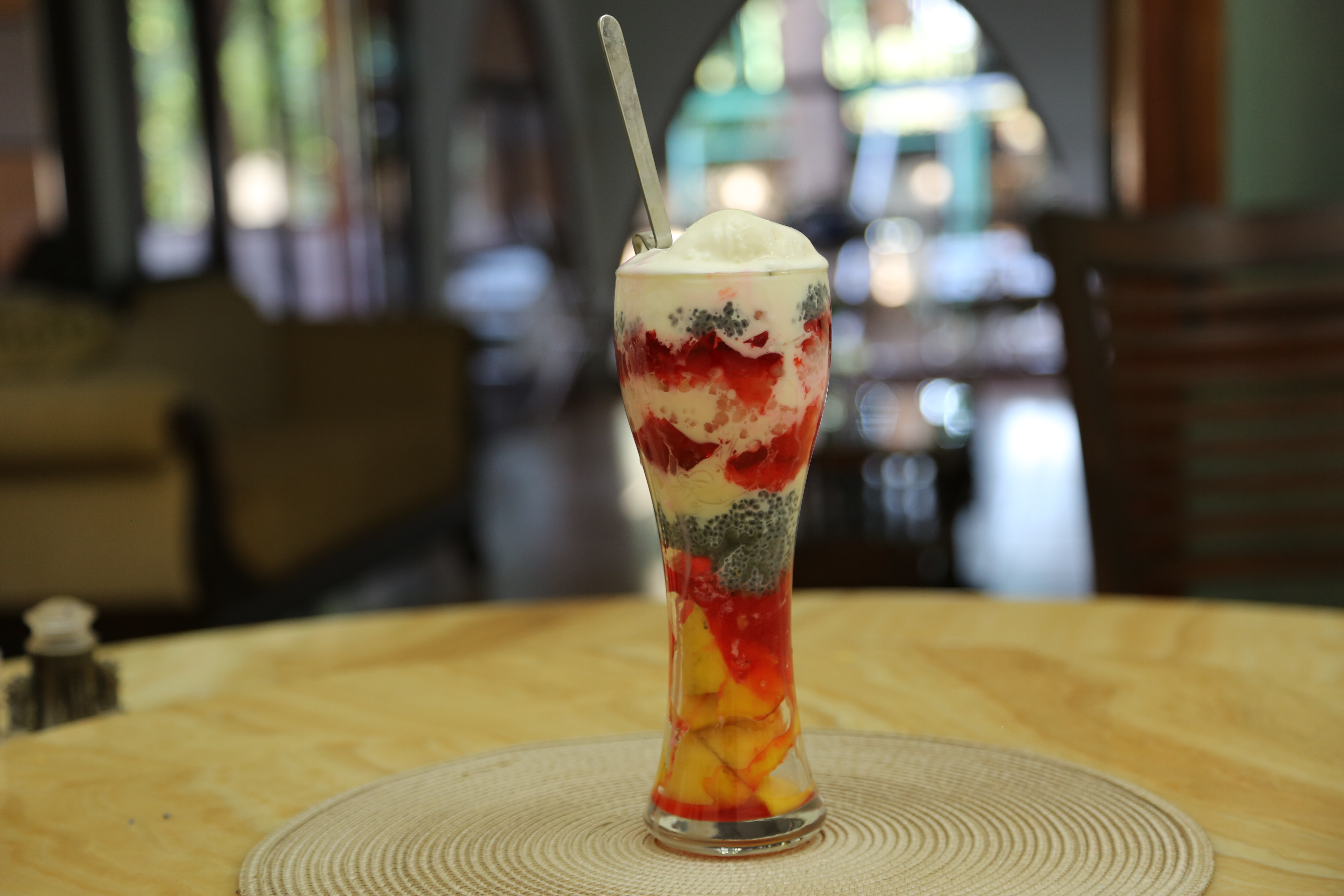
Dishes made with ripe mango are a favourite of the summer season, and mango falooda, a cold layered dessert served in a tall glass, is one of the most popular of them. On 1 June 2026, as ripe mangoes were reaching the markets, the lifestyle desk of Jagonews24 published a recipe for making it at home with a few ordinary ingredients: soaked basil seeds (tokma), boiled sago and noodles, cubes of jelly, milk thickened with sugar and condensed milk, a cubed mango, a second mango blended to a purée, and a scoop of vanilla ice cream on top. This report gives that recipe step by step, together with background on where falooda comes from, which mangoes were in season at the time, what the main ingredients are, and the advice health and food-safety authorities give on sugar and on handling milk, fruit and ice at home.
What goes into mango falooda
The recipe as published does not give weights or cup measures. It names the ingredients and the order in which they are prepared and layered, so the amounts can be scaled to the number of glasses being served. One ripe mango is cut into cubes and a second is blended, so two mangoes are the base of the dish, with a few extra small pieces kept for the top. The ingredients are:
- Basil seeds (tokma), soaked in water
- Sago (sabudana)
- Noodles
- Jelly made from a packet, including mango jelly
- Milk
- Sugar
- Condensed milk
- Two ripe mangoes, one cut into cubes and one blended into a thick purée, plus small pieces for decoration
- Vanilla ice cream
- Chopped nuts
- Crushed ice
Most of these are kept in an ordinary kitchen or sold in neighbourhood grocery shops in Bangladesh. The two ingredients that make falooda look and feel different from a simple mango milkshake are the basil seeds, which swell and turn jelly-like in water, and the sago pearls, which become soft and translucent when boiled. Both are described in more detail further below.
Preparing the ingredients
Everything except the final assembly can be done ahead, and the milk needs time in the fridge, so the recipe begins with the parts that have to soak, boil or cool.
- Soak the basil seeds (tokma) in water. After 10 to 15 minutes, when the seeds have swollen and softened, drain off the water and set them aside.
- Boil the sago and the noodles separately. When they are cooked, rinse them in cold water, drain them well and keep them to one side.
- Make the jelly following the instructions on the packet, let it set and cut it into cubes.
- Boil the milk in a pan until it thickens. Add the sugar and the condensed milk and stir well. When the mixture has cooled, put it in the fridge.
- Cut one ripe mango into cubes. Blend a second mango into a thick purée.
Boiling the sago and the noodles separately keeps each one's texture: sago pearls need longer to cook through than thin noodles, and rinsing both in cold water stops them cooking further and keeps them from sticking together in the glass. The milk is thickened before the sugar and condensed milk go in, and it is chilled because the dessert is served cold.
Layering and serving
Falooda is built in layers in a tall glass so that each spoonful brings up something different. The recipe gives this order:
- Take a tall glass. Put mango jelly and the soaked basil seeds at the bottom.
- Add, one after another, the boiled sago, the noodles, the jelly cubes, the mango cubes and the mango purée.
- Pour in the cold thickened milk.
- Finish with a scoop of vanilla ice cream, a few chopped nuts, small pieces of mango and some crushed ice, arrange them neatly, and serve.
Because the ice cream and the crushed ice go on last, the glass should be served straight away, before the ice cream melts into the milk. The milk mixture, the jelly and the boiled sago and noodles can be kept in the fridge until it is time to assemble the dessert.
Where falooda comes from
Falooda is a cold dessert of the Mughlai kitchen. Encyclopedic accounts trace it to the Persian dish faloodeh, which is still popular in Iran, and say it was brought to the Indian subcontinent by Central Asian dynasties between the 16th and 18th centuries. Its present form developed in the Mughal Empire and spread with it, and later Persian-influenced courts, especially in Hyderabad in the Deccan and in the Carnatic region, adapted it further. In Hindustani the word is also used loosely for anything shredded.
The traditional version mixes rose syrup, vermicelli and sweet basil seeds with milk, often served with kulfi, the dense frozen milk dessert of the subcontinent. The vermicelli may be made from wheat, arrowroot, cornstarch or sago. The dish changes from country to country: in Myanmar a version called phaluda uses basil seeds, grass jelly and egg pudding, in Sri Lanka falooda is topped with ice cream, and Mauritius has a drink called alouda. The same encyclopedia describes a version in Bangladesh that uses sago pearls, mango, milk and vermicelli, with pistachios, creamed coconut and pandan extract.
The mango falooda in this recipe belongs to that family. It keeps the basil seeds, the noodles and the sago pearls of the older dish, drops the rose syrup, and makes the ripe mango the main flavour, both as cubes and as a purée, with jelly and ice cream added. A 2021 scientific review of basil seeds notes that in Iran and India the seeds are eaten in drinks called sharbat and in frozen desserts called faloodeh, mainly for their appearance and as a source of fibre.
Mangoes in season at the start of June 2026
The recipe appeared at the point in the year when the first named varieties were reaching the market. On 10 May 2026 the Rajshahi district administration announced its mango harvesting schedule, known as the mango calendar, at a meeting in the deputy commissioner's office, to stop unripe mangoes from being picked and sold. The calendar was prepared with growers, traders and the agriculture department, and Deputy Commissioner Kazi Shahidul Islam said it was meant to ensure that "no one harvests and markets unripe mangoes before the stipulated dates", warning of legal action against anyone who broke it.
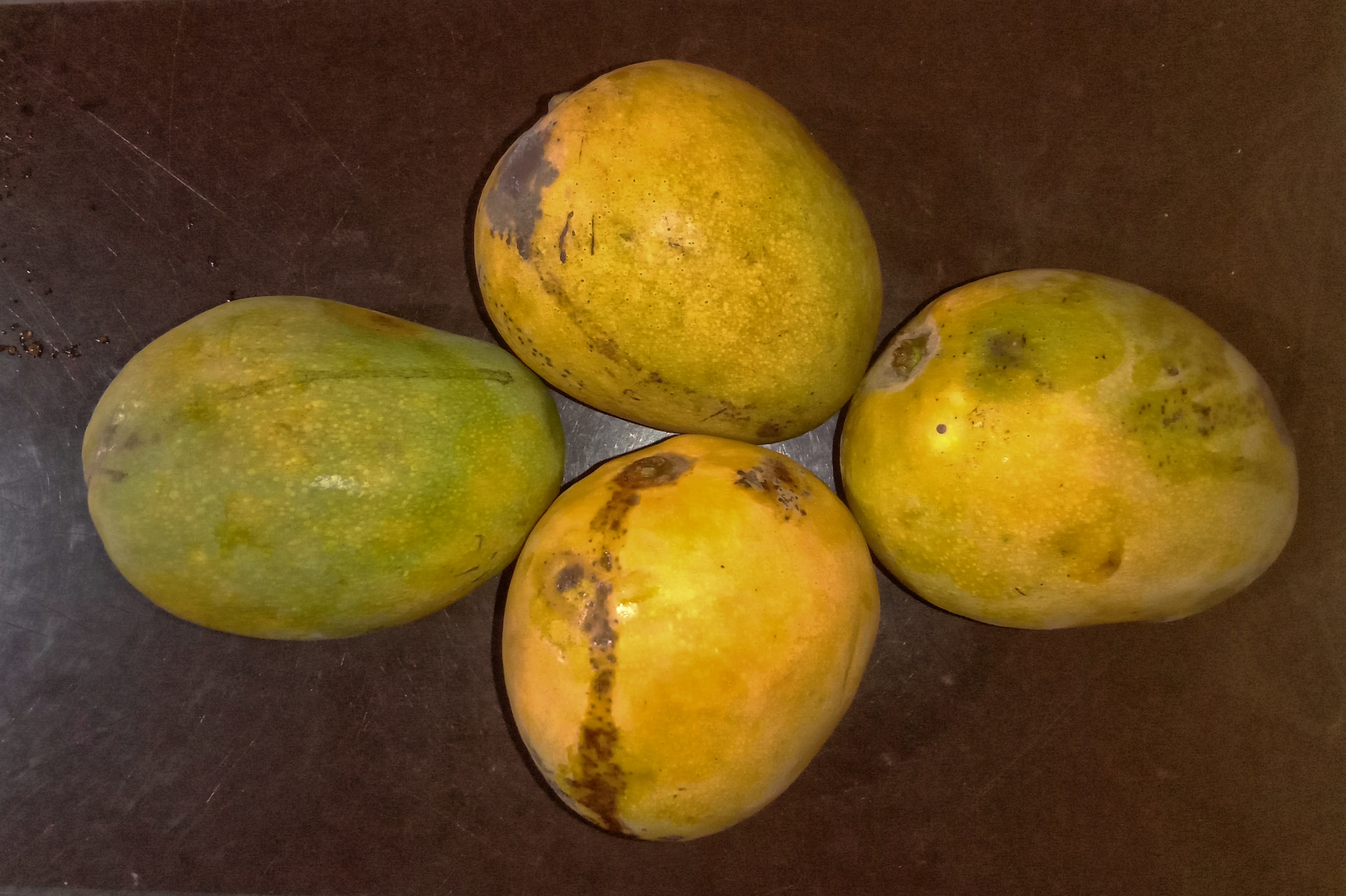
Under that calendar guti, the local seedling mangoes of all kinds, could be picked from 15 May, Gopalbhog from 22 May, Raniposondo and Laxmanbhog from 25 May, and Himsagar, also called Khirsapat, from 30 May. Langra and banana mango were set for 10 June, Amrapali and Fazli for 15 June, BARI Aam-4 for 5 July, Ashwina for 10 July and Gourmati for 15 July, while Katimon and BARI Aam-11 could be harvested all year. So on 1 June the varieties allowed on the market from Rajshahi were the guti mangoes, Gopalbhog, Raniposondo, Laxmanbhog and Himsagar. The same report gave Rajshahi district's mango area as 19,062 hectares and its production target as 243,993 tonnes, worth about Tk780 crore at an estimated Tk32 a kilogram.
Earlier in the season, in March 2026, the national news agency BSS reported that the Department of Agricultural Extension had set a target of 92,552 hectares and about 12.5 lakh tonnes of mangoes for the four districts of Rajshahi, Chapainawabganj, Naogaon and Natore, where there were 34,960,554 mango trees. Dr Azizur Rahman, additional director of the department for the Rajshahi region, said that "this year is somewhat exceptional, as blossoms have appeared on almost all trees", and Dr Shafiqul Islam, a chief scientific officer of the Bangladesh Agricultural Research Institute (BARI), said the ideal temperature during the flowering and fruitlet stages is 15 to 20 degrees Celsius.
Across the country, The Daily Star reported in September 2025 that Bangladesh produces 2.4 to 2.5 million tonnes of mangoes a year, grown commercially in 23 districts, with 72 varieties grown nationwide and a domestic market worth Tk13,000 to 14,000 crore. Only a small share is exported: 2,194 tonnes in the 2025 season, after 3,100 tonnes in 2023 and 1,321 tonnes in 2024, according to the Department of Agricultural Extension. In May 2025 the agriculture secretary had put production at about 27 lakh tonnes in 2022-23 and 24.5 lakh tonnes in 2023-24.
Banglapedia, the national encyclopedia, describes the mango (Mangifera indica) as possibly native to Bangladesh, Assam, Myanmar and the eastern part of the subcontinent, and counts nearly 100 varieties in the country. Among the improved varieties it names are Fazli, Langra, Gopalbhog, Himsagar, Khirsapat, Ashwina, Kishanbhog, Kuapahari, Lata Bombai, Kohitur, Lakshmanbhog, Mohanbhog and Misribhog, most of them grown commercially in Rajshahi, Chapainawabganj and Dinajpur. Grafted trees bear from about their fourth year and stay productive until about the 45th. Fog, rain or cloud during flowering from January to March harms fruit set, and hailstorms make fruit drop. Most mangoes are eaten fresh, green mangoes go into curries and dal, and both green and ripe fruit are made into jam, jelly, squash, chutney and pickle.
What a ripe mango contains
Ripe mango is the heart of this dessert, and it brings more than sweetness. According to the U.S. Department of Agriculture's FoodData Central, 100 grams of raw mango contains about 83 grams of water and provides 60 kilocalories, with 0.82 grams of protein, 0.38 grams of fat, 14.98 grams of carbohydrate, 1.6 grams of dietary fibre and 13.66 grams of sugars.
The same 100 grams supplies 36.4 milligrams of vitamin C, 54 micrograms of vitamin A (retinol activity equivalents) from 640 micrograms of beta-carotene, the pigment behind the fruit's yellow and orange flesh, 43 micrograms of folate and 168 milligrams of potassium. Mango also counts towards the World Health Organization's advice that everyone older than 10 should aim for at least 400 grams of fruit and vegetables a day.
Basil seeds and sago: the two ingredients that set falooda apart
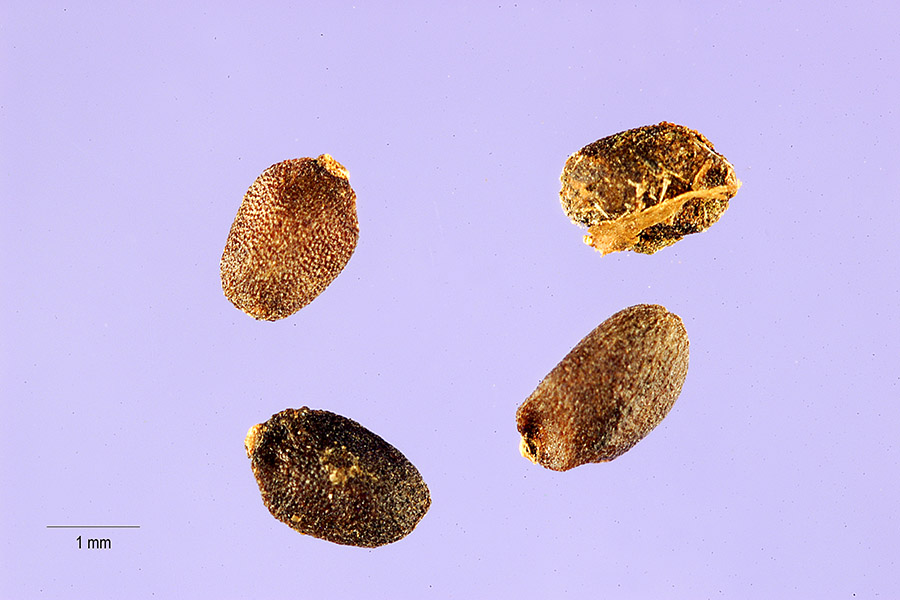
The tokma used in falooda is the seed of sweet basil, Ocimum basilicum. A 2021 review in the journal Foods by Calderón Bravo and colleagues describes the seeds as black, small and oval, about 2.31 to 3.11 millimetres long. Their outer layer holds mucilage, about 17 to 20 percent of the seed, which is why the seeds swell and become coated in a clear jelly when soaked, as the recipe's 10 to 15 minutes in water shows.
The review gives protein contents of 11.4 to 22.5 grams per 100 grams of seed, fat of 9.7 to 33 percent, and dietary fibre from 7.11 to 26.2 grams per 100 grams, the wide ranges reflecting different samples and varieties. The authors note that the seeds have long been eaten as a refreshing food in Iran and India, but also that their nutritional and functional properties are still scarcely known, so the dessert should not be treated as a remedy.
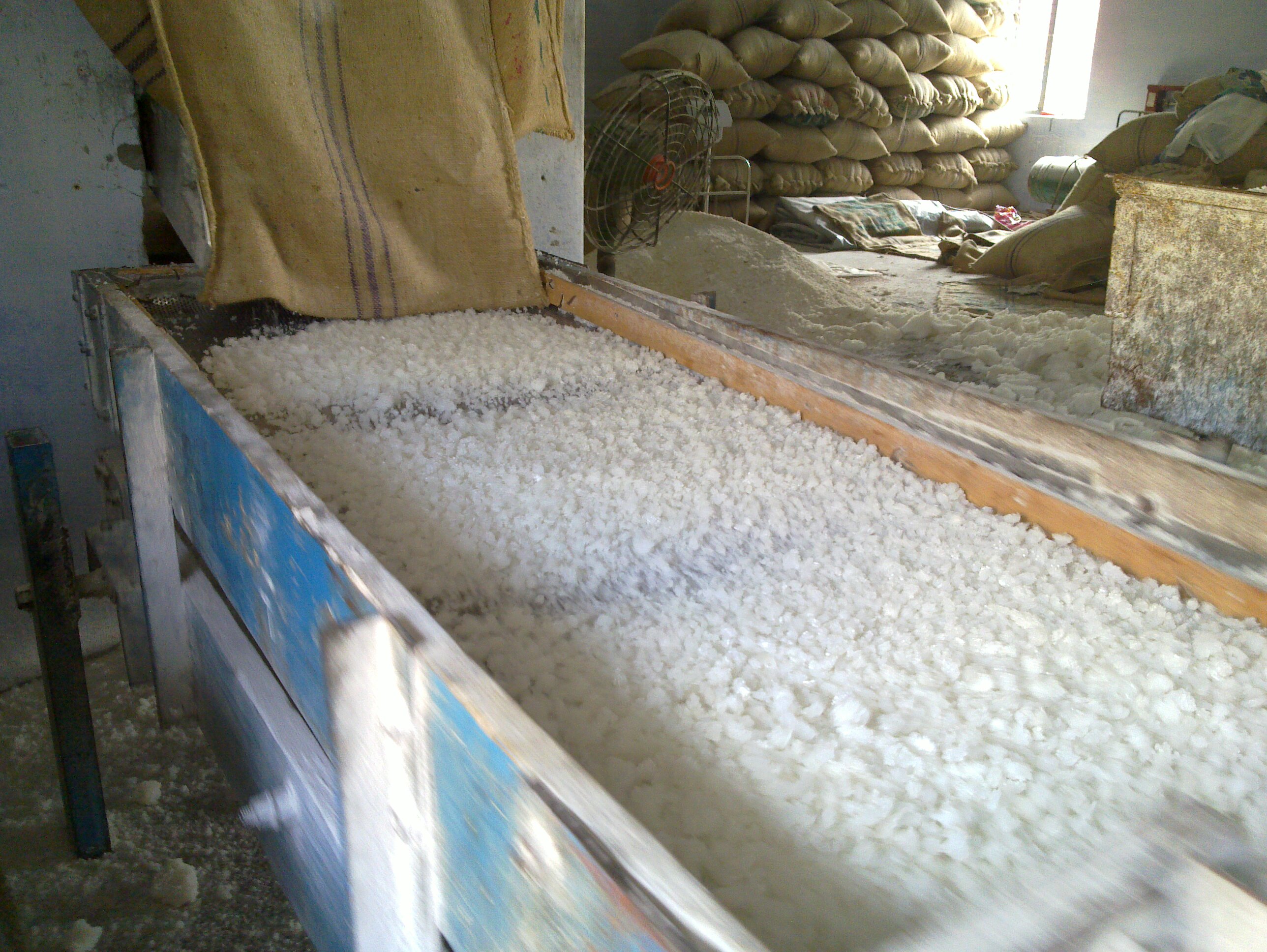
Sago is a starch taken from the soft inner pith of tropical palms, mainly the sago palm, Metroxylon sagu. The pith is crushed and washed to release the starch, which is then dried. Pearl sago is made by heating moist starch while stirring it into small balls about 2 millimetres across, which swell when cooked. Because pearls made from cassava root are cheaper, they are widely sold as sago, and in South Asia these are known as sabudana, though true sago and tapioca come from different plants. Either way the pearls are almost all starch, which is why they turn soft and glassy in boiling water.
Sugar, condensed milk and a treat in moderation
Falooda is a sweet dish. Besides the natural sugar in the mangoes, the milk is sweetened with both sugar and condensed milk, the jelly and the ice cream are sweet, and the mango jelly at the bottom adds more. Sweetened condensed milk is made by evaporating water from milk and adding sugar; a typical product contains about 45 percent sugar and 8 percent fat, and the sugar is what lets it keep for so long.
The World Health Organization advises that free sugars, meaning the sugars added to foods and drinks by the manufacturer, the cook or the consumer, along with the sugars in honey, syrups and fruit juices, should make up less than 10 percent of a person's total daily energy intake, and says that keeping them to 5 percent or less may bring further health benefits. The sugar and condensed milk stirred into falooda count as free sugars. Mango falooda is therefore best enjoyed as an occasional dessert. Anyone with diabetes or another condition that limits sugar should ask a doctor or a qualified dietitian how much, if any, fits their diet.
Keeping it safe in a hot kitchen
A dessert of milk, cut fruit and ice, made in the hottest months, needs care. The U.S. Centers for Disease Control and Prevention lists unwashed fruit and unpasteurised milk among the foods more likely to carry germs that cause food poisoning. Its advice for home cooks is to wash hands for at least 20 seconds with soap before, during and after preparing food, to rinse fresh fruit under running water, and to keep the refrigerator at 40 degrees Fahrenheit or below. Perishable food should never be left out for more than 2 hours, or more than 1 hour if the temperature is above 90 degrees Fahrenheit. In this recipe the milk is boiled and then chilled, and the assembled glass is served at once.
Ice deserves particular attention. In April 2024, during a heatwave, the Dhaka Tribune reported on drinks sold at roadside stalls in Dhaka. An ice trader told the paper his ice was "unusable in foods or drinks", and public health expert Dr Lelin Chowdhury said: "We never saw ice manufacturing factories use safe water." He warned that unhygienic drinks can spread water-borne illnesses such as typhoid, jaundice and diarrhoea, which he said break out in Dhaka every summer. The World Health Organization's Five Keys to Safer Food make the same point in general terms: keep clean, separate raw and cooked food, cook thoroughly, keep food at safe temperatures, and use safe water and raw materials. For falooda at home that means making the crushed ice from safe drinking water.
The mangoes themselves should be sound and properly ripe. Bangladesh's Food Safety Act 2013 (Act No. 43 of 2013) forbids anyone, directly or indirectly, to use in food any chemical harmful to human health or causing poisoning, naming calcium carbide, formalin and sodium cyclamate as examples, and forbids storing, marketing or selling food mixed with such substances. The mango calendar described above was set to the same end, to keep unripe mangoes from being picked and sold before their time.
Photo: Kanchana Bose / Wikimedia Commons (CC BY-SA 4.0)
Sources: Jagonews24, The Business Standard, BSS, The Daily Star, Banglapedia, USDA FoodData Central, Foods (Calderón Bravo et al., 2021), World Health Organization, U.S. Centers for Disease Control and Prevention, Dhaka Tribune, Bangladesh Food Safety Act 2013 (bdlaws), Wikipedia


Comments
(0)