
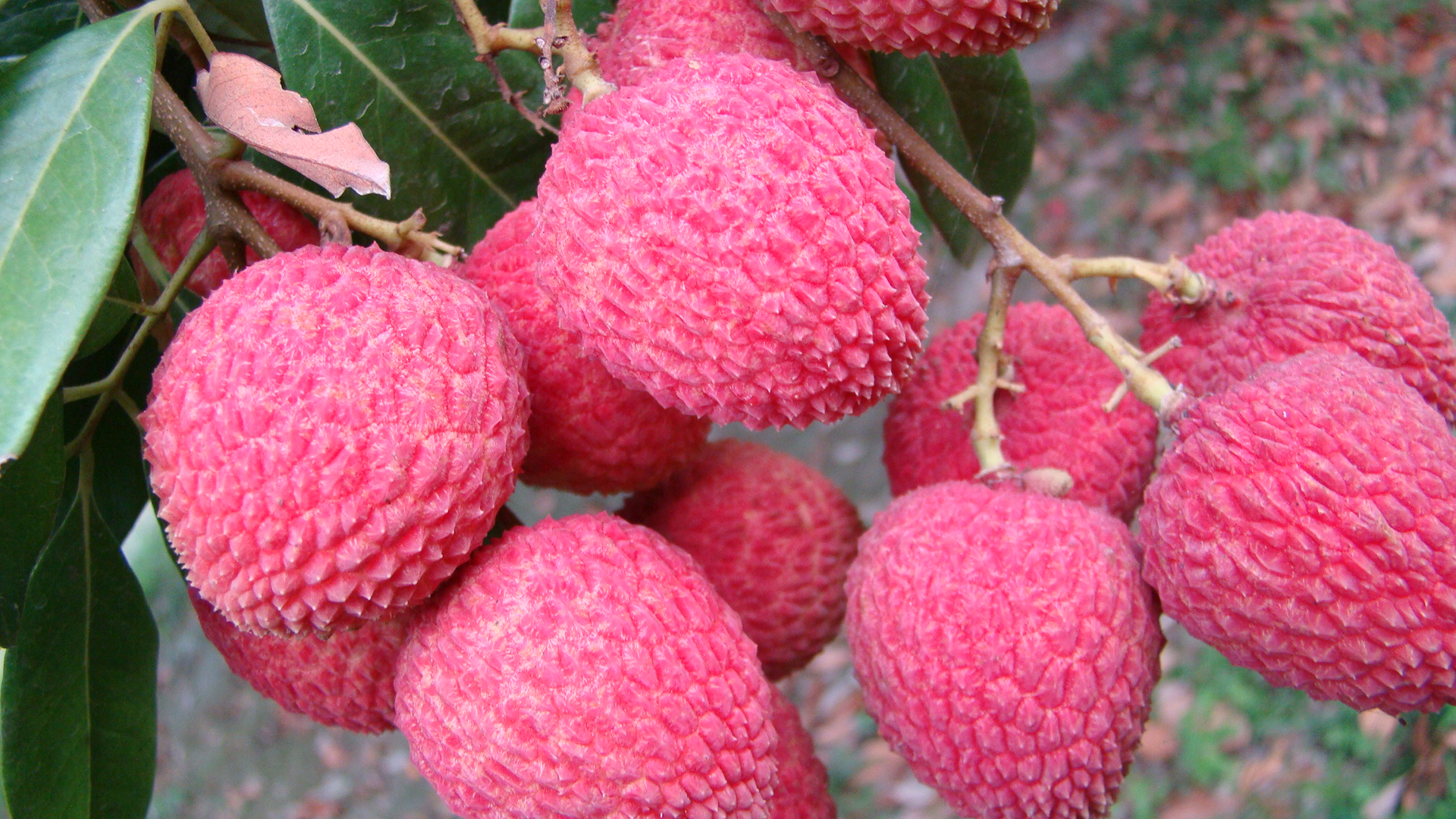
On 19 May 2026, at the start of the lychee season, the Bengali news site Jagonews24 published a home recipe for lychee payesh: the familiar Bengali pudding of rice cooked in milk, made with fresh lychee and served chilled. The recipe, carried in the site's lifestyle section, presented the dish as a summer dessert. Many people want something cold and sweet on hot days, it noted, payesh is already one of the best-loved sweets, and lychee gives the familiar dish a fresh new flavour. The method suits a home kitchen: the rice is soaked and coarsely ground, half of the lychees are chopped and the other half blended into a puree, the milk is reduced with sugar, and the pudding is finished with powdered milk, cardamom, condensed milk and dry fruits before it is chilled for at least two hours.
The timing follows the fruit. In Bangladesh the lychee is a short-season crop. A country report published by the Food and Agriculture Organization of the United Nations (FAO) notes that lychee reaches the market in May and June and is available for only about 60 days, and that Bombai, the most widely grown variety, matures in the second week of May. This report sets out the recipe as Jagonews24 gave it and compares it with another published version. It then explains what payesh is, what the lychee is and where it is grown in Bangladesh, what medical investigations have found about lychee and children's health, and the basic food-safety rules that apply to a milk dessert kept in the refrigerator.
The ingredients
The Jagonews24 recipe names its ingredients inside the method rather than in a separate table, and the text gives no quantities. The ingredients it uses are these:
- Rice, washed well and soaked for 10 to 15 minutes
- Fresh lychees, cleaned, peeled and seeded
- Milk
- Sugar
- Powdered milk
- Cardamom powder
- Condensed milk
- A little water, for blending half of the lychees into a puree
- Dry fruits of your choice, for finishing
For readers who want measured amounts, a lychee payesh recipe by Hasan Imam, published by Prothom Alo on 13 June 2025, uses a smaller set of the same ingredients: 10 fresh ripe lychees, 700 millilitres of milk, 1 tablespoon of powdered rice, a little more than a quarter cup of sugar and 2 tablespoons of powdered milk. That version leaves out the condensed milk, the cardamom and the dry fruits, and it reduces the milk to 500 millilitres before the sugar goes in. The two recipes agree on the essentials: milk reduced over medium heat, a small amount of ground rice to thicken it, sugar, powdered milk for body, and lychee added at the very end.
How to make lychee payesh, step by step
- Wash the rice well and soak it for 10 to 15 minutes. Grind the soaked rice lightly in a blender so that part of it becomes a fine powder and part stays as small broken grains, like khud. This mixture gives the payesh a better texture.
- Clean the lychees well, peel them and remove the seeds. Cut half of them into small pieces and set these aside. Blend the other half with a little water into a light puree.
- Put the milk on the stove over medium heat and let it simmer slowly, stirring regularly so that it does not stick to the bottom of the pan.
- When the milk has reduced to about half, add the sugar and stir until it has completely dissolved.
- Pour in the ground rice slowly while stirring quickly, or it may form lumps. Once the rice is in, the payesh will begin to thicken.
- Add the powdered milk and the cardamom powder and stir for one minute.
- Mix in the condensed milk and the lychee puree and stir gently for about two minutes.
- Add the chopped lychee and fold it in gently so that the pieces do not break.
- Keep the pan on a low flame for another two to three minutes, then take it off the heat.
- Mix in dry fruits of your choice, let the payesh cool, and keep it in the refrigerator for at least two hours. Serve it chilled.
The original text describes the last stages in an overlapping order: it turns off the heat after the cardamom, then says to add the condensed milk and puree just before turning off the heat, and then returns the payesh to a low flame. The steps above keep every instruction and every cooking time it gives, set out in the order a cook would follow them.
Keeping the milk from splitting
The Prothom Alo version of 2025 was written around a common worry in the kitchen, which its headline names: how to make lychee payesh so that the milk does not split. Its answer lies in the order of the steps. The lychees are peeled, seeded and torn by hand into fine pieces before cooking starts. The milk is boiled on medium heat with frequent stirring until it has reduced to 500 millilitres, the sugar is dissolved in it, and the rice powder is stirred in quickly so that it does not form lumps. Powdered milk follows, stirred for one minute. Only then is the heat turned off and the lychee folded in gently. The pan goes back on a low flame for two to three minutes with gentle stirring, and the payesh is cooled completely and refrigerated for two hours before it is served. The Jagonews24 recipe also keeps the fruit until the end, after the rice has thickened the milk.
Curdling, as encyclopedic references on food chemistry describe it, happens when milk becomes more acidic: casein proteins that normally float separately attract one another and gather into curds in a translucent whey, and the clumping happens faster at warmer temperatures. Cooks use the same reaction on purpose when they add lemon juice or other acids to milk to make curd cheese. Banglapedia likewise describes chhana as what is made when milk is split with something sour. In sauces, mixtures that contain starch curdle with more difficulty. The lychee itself is sweet but mildly tart: its sweetness comes mainly from sucrose, glucose and fructose, while malic and citric acids give it its acidity. Both published recipes therefore bring the fruit into contact with the milk only at the end, after the rice has thickened it, and only over a low flame or with the heat off.
Payesh, one of Bengal's oldest sweets
Payesh belongs to a family of rice puddings found across the Indian subcontinent under different names: kheer or khir in the north, payasam in the south, payesh in Bengal. Encyclopedic references describe it as a pudding made by boiling milk, sugar or jaggery and rice, often flavoured with dried fruits, nuts, cardamom and saffron. Some versions use cracked wheat, vermicelli, sago or tapioca in place of rice. The word kheer comes from the Sanskrit kshira, meaning milk, and payasam from the Sanskrit payasa, a word for milk or a dish made from it. The food historian K. T. Achaya counted the dish among the popular foods of ancient India, mentioned in early literature as a mixture of rice, milk and sugar.
Banglapedia, the national encyclopedia of Bangladesh, traces the Bengali tradition of sweets to the region's ancient cultivation of rice and sugarcane. It describes payesh and pitha-puli as dishes made by mixing milk and atap rice (rice that has not been parboiled) with molasses or sugar. In its article on food habits, Banglapedia notes that the sweet dishes served at Muslim feasts and celebrations include zarda and firni or payesh-type desserts made of rice with milk and sugar, and that a mixture of milk, sugar and rice is what makes payesh.
Lychee payesh borrows two features from firni, the related dessert that encyclopedic references describe as ground rice or rice flour cooked in milk and eaten chilled: the Jagonews24 recipe also grinds its rice, and it serves the pudding cold. Fruit versions of payesh had appeared in Bengali recipe columns in earlier seasons, among them the Prothom Alo lychee payesh of June 2025 described above.

The lychee: what the fruit is
The lychee is the fruit of Litchi chinensis, the only species in the genus Litchi, which belongs to the soapberry family, Sapindaceae. Banglapedia gives China as its original home and says the tree reached Burma and India by the end of the 17th century. Its cultivation in southern China is documented from the year 1059, and the fruit was a delicacy at the Chinese imperial court: in the Han dynasty, fresh lychees were a tribute item carried by fast horse couriers from Guangdong.
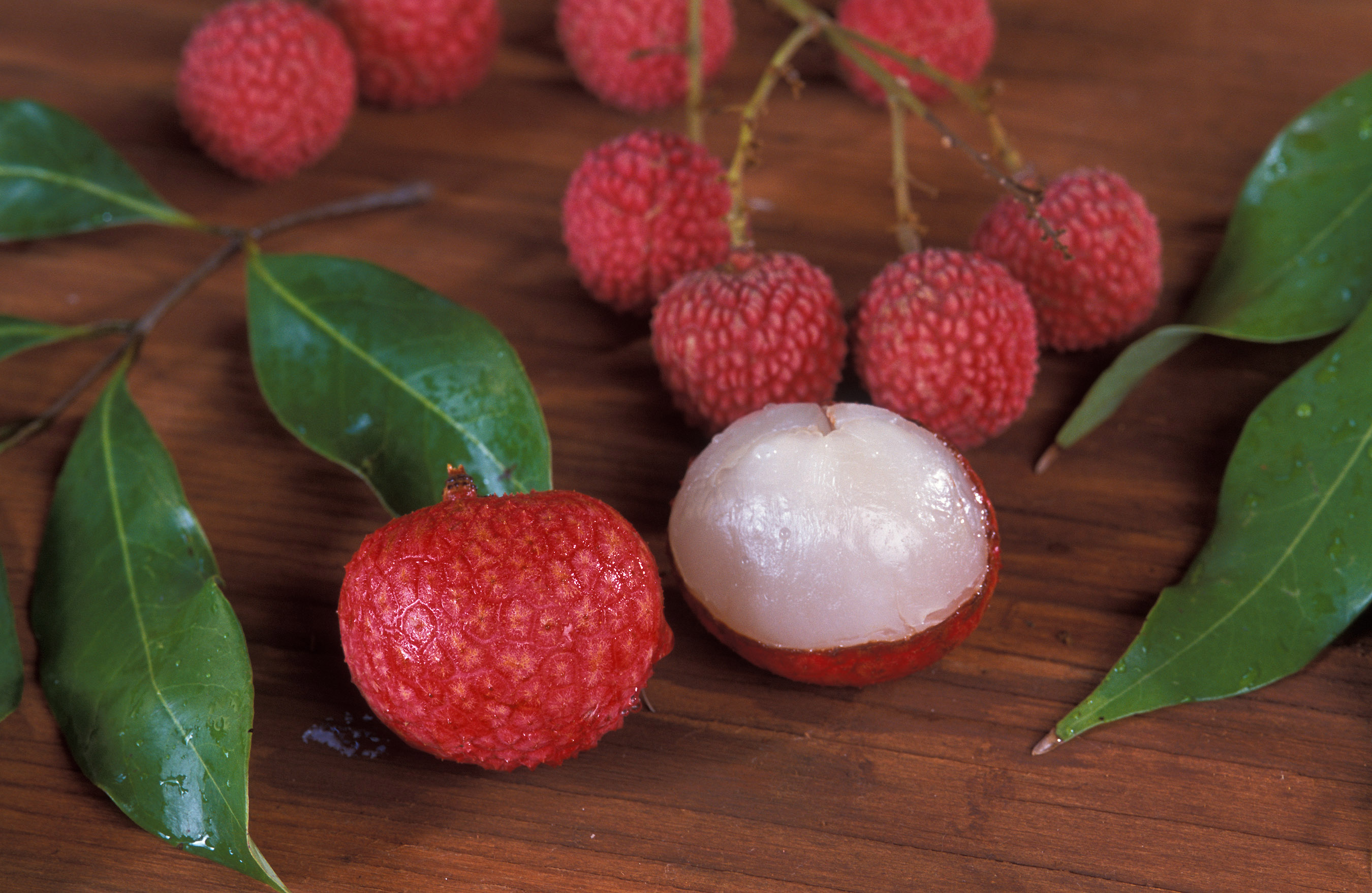
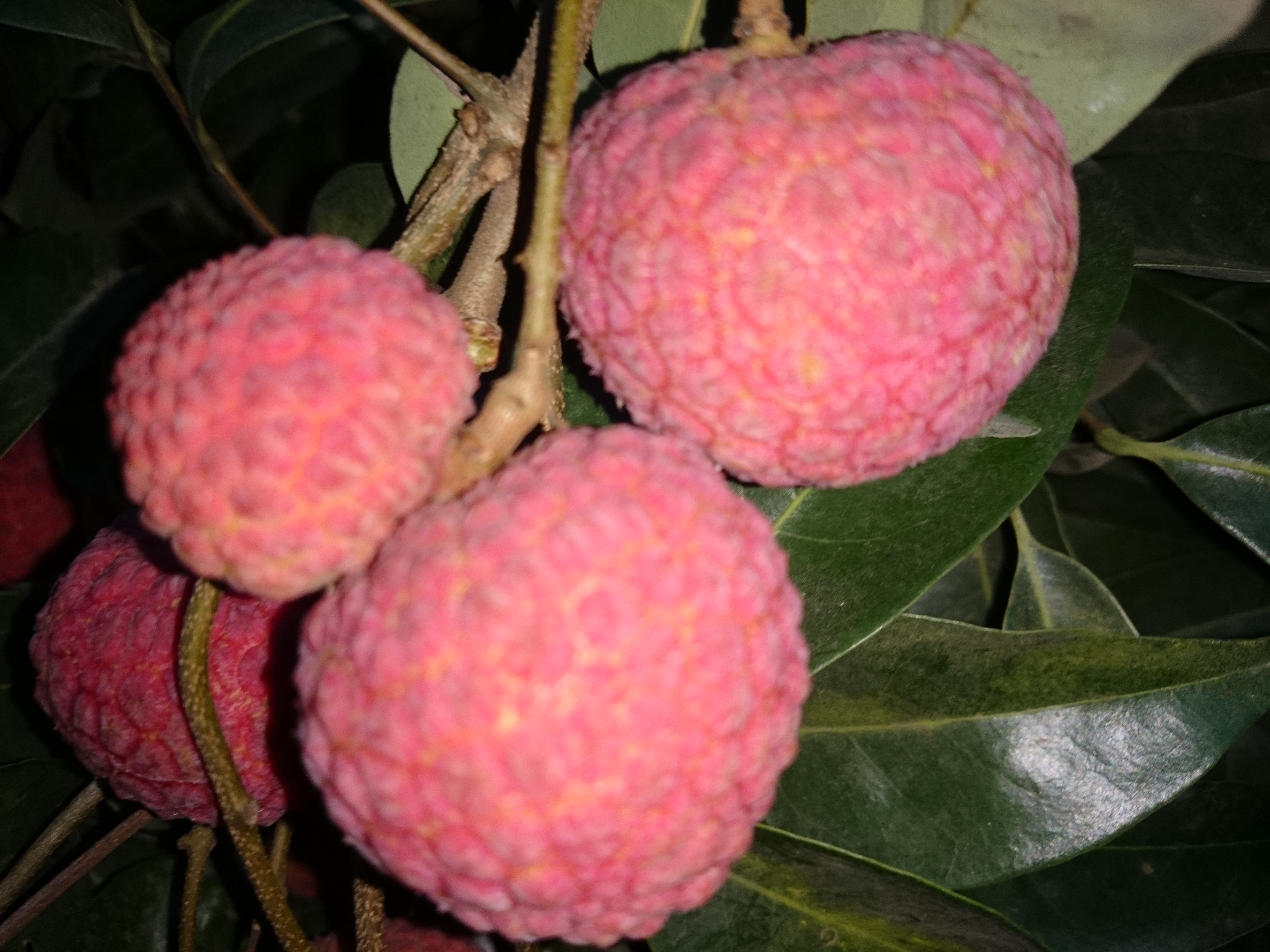
The tree is a medium to large evergreen with a rounded crown, growing to about 12 to 15 metres. Its leaves are pinnately compound with four to seven leaflets, glossy above and light green below, and the young leaves are copper-coloured. Small whitish flowers grow in branched clusters. The fruit has a thin, rough, pink-red skin; under it lies the edible part, a translucent white aril, around a single glossy dark brown seed. Banglapedia notes that the lychee needs a warm, humid climate, that hot dry winds harm the fruit, that deep loamy soil suits it best, and that although the tree cannot tolerate waterlogging it prefers moist soil.
Raw lychee flesh is about 82 percent water, 17 percent carbohydrate and 1 percent protein, with negligible fat, and 100 grams supply about 66 calories. It is rich in vitamin C, at 72 milligrams per 100 grams, but contains no other micronutrient in significant amounts. Banglapedia lists sugars, protein, fat, vitamins B and C, calcium and iron among the main constituents of the edible portion. The flesh has a floral aroma often described as rose-like, which comes from compounds such as linalool and geraniol. Because canning removes much of that floral flavour, the fruit is usually eaten fresh, which is why a recipe like this one is made in the short weeks of the harvest. When lychees are kept in a refrigerator the red skin turns dark brown, but the taste is not affected. Banglapedia adds that the fruit also makes excellent drinks and canned products, and that dried lychee is popular in China.
Lychee in Bangladesh: districts, varieties and season
Among the country's tree fruits, Banglapedia ranks the lychee second only to the mango. It can be grown in every district, but cultivation is concentrated in Rajshahi, Rangpur, Dinajpur, Jessore, Kushtia and Mymensingh. Banglapedia also notes that Bangladesh has no famous named varieties of its own, but many local selections of good commercial quality, which fall into two broad groups, deshi and bombai.
The FAO country report, written by S. B. M. Abu Baker Siddiqui of the Integrated Horticulture and Nutrition Development Project and based on Bangladesh Bureau of Statistics data, recorded 11,875 hectares under lychee in 1997-98 and a production of 12,846 tonnes, an average of about 2.5 tonnes per hectare. The leading regions then were Jessore (975 hectares, 1,520 tonnes), Rajshahi (805 hectares, 1,380 tonnes), Rangpur (820 hectares, 1,100 tonnes), Chittagong (635 hectares, 985 tonnes) and Dinajpur (705 hectares, 785 tonnes).
The same report describes the main varieties. Bombai, the most widely cultivated, is a good-yielding variety that matures in the second week of May, with carmine-red fruit of 18 to 20 grams and a pulp-to-seed ratio of 5 to 1. Bedana, regarded as the best in quality, is bright red, matures in the second week of June, weighs 25 to 28 grams, has a pulp-to-seed ratio of 28 to 1, but bears only 2,000 to 3,000 fruits per tree, and was then confined to Dinajpur district. China-3, a late variety, has round fruit mixing red, orange and patches of green, weighs about 25 grams and ripens in the last week of June. BARI Lichu-3, released by the Bangladesh Agricultural Research Institute, resembles China-3 in size, quality and yield. The report calls the fruit highly perishable: premium lychees were sent to the cities in bamboo baskets lined with lychee leaves, in which they stayed fresh for about 48 hours.
The northern districts have since become the centre of the crop. The Daily Star reported on 7 April 2022 that lychee was grown that year on 9,197 hectares in eight districts of the Rangpur and Dinajpur regions, 7,226 hectares of them in Dinajpur, where about 3,000 commercial orchards spread across 13 upazilas and cultivation was expanding by about 10 percent a year. The production target was about 47,500 tonnes for the region and 33,484 tonnes for Dinajpur, with an average yield of 5.16 tonnes per hectare. The varieties grown included Madrazi, Bombay, China-1, China-2, China-3, Kathali and Bedana, and the fruit was expected in the market from early June for about a month. The report put the lychee trade in Dinajpur in 2021 at Tk 400 crore.
In 2025 the Bedana lychee of Dinajpur was recognised as a geographical indication (GI) product of Bangladesh. The Dhaka Tribune reported on 2 May 2025 that the district's deputy commissioner had received the GI certificate on Dinajpur's behalf at a ceremony in Dhaka.
Lychee and children's health: what investigations found
Lychee season in South Asia has also been the season of outbreaks of a sudden, often fatal brain illness in children living near orchards, and two investigations published in 2017 looked at them closely. Their findings concern children in orchard areas during outbreaks, not lychees eaten at home in a cooked dessert, but they are the main medical research on the fruit in this region.
In northern Bangladesh in 2012, an outbreak of acute encephalitis syndrome affected 14 children, and 13 of them died. A study by researchers of icddr,b and partner institutions, published in the American Journal of Tropical Medicine and Hygiene in July 2017, recorded unconsciousness, convulsions, excessive sweating and frothy discharge as the main symptoms; the median time from the start of illness to unconsciousness was two and a half hours. The outbreak coincided with the lychee harvest. Multiple pesticides, including some banned in Bangladesh, were frequently used in the orchards. Illness was associated with visiting a lychee orchard in the 24 hours before falling ill, with family members working in an orchard, and with visiting gardens while pesticides were being applied. Eating lychees was not associated with illness. The authors linked the outbreak to orchard exposures where agrochemicals were routinely used, not to eating the fruit. The Dhaka Tribune reported on 1 August 2017 that the children had been admitted to Dinajpur Medical College hospital in June 2012, that endosulfan was among the pesticides identified, and that the children had eaten unwashed fruit, peeling it with their teeth. Voice of America reported on 25 July 2017 that endosulfan had been added to the Stockholm Convention in 2011.
A different picture emerged in Muzaffarpur in the Indian state of Bihar, the country's largest lychee-growing region. A case-control study by India's National Centre for Disease Control and the US Centers for Disease Control and Prevention, published in The Lancet Global Health on 31 January 2017, found that between 26 May and 17 July 2014, 390 children were admitted to two referral hospitals with the illness and 122 of them died. On admission, 204 of the 327 children tested had a blood glucose level of 70 milligrams per decilitre or less. Eating lychees and missing the evening meal in the previous 24 hours were both associated with illness, and metabolites of hypoglycin A and methylenecyclopropylglycine (MCPG), natural fruit toxins that cause low blood sugar, were found in 48 of the 73 urine samples tested from patients and in none of the 15 from the comparison group. Tests for pesticides there were negative. To prevent illness in the region, the investigators recommended minimising lychee consumption, making sure children received an evening meal, and correcting blood glucose rapidly in suspected cases. Anyone with a question about lychee and a child's health should ask a doctor.
Kitchen food safety for a chilled milk dessert
The World Health Organization's Five Keys to Safer Food, published as a training manual in 2006 and translated into more than 87 languages, sums up home food hygiene in five rules: keep clean; separate raw and cooked food; cook thoroughly; keep food at safe temperatures; and use safe water and raw materials. The manual defines the danger zone as the temperature range from 5 to 60 degrees Celsius, in which microorganisms grow and multiply very fast. The last step of this recipe, cooling the payesh and keeping it in the refrigerator, is the part of the method where that key applies.
The same manual asks people to wash their hands before handling food and often while preparing it, to wash and sanitise surfaces and equipment, and to wash fruit and vegetables with safe water. It lists improperly used pesticides among the chemicals that can make food unsafe, and notes that simple measures such as washing and peeling may reduce the risk from chemicals found on the surface of foods. For lychee payesh, that means washing the lychees well before peeling them, as the recipe's first instruction to clean the fruit well suggests, and handling the peeled fruit with clean hands and utensils.
The other ingredients
Cardamom, the spice in this recipe and one of the usual flavourings of kheer and payesh, comes from Elettaria cardamomum, known as green or true cardamom: a perennial plant of the ginger family, native to southern India, growing two to four metres tall. Its fruit is a three-sided yellow-green pod one to two centimetres long, holding 15 to 20 black and brown seeds, which are used whole or ground and have a strong aroma suited to both savoury and sweet cooking. It is the most widely cultivated cardamom, and in India the states of Sikkim and Kerala are its main producers.
Condensed milk is cow's milk from which roughly 60 percent of the water has been removed, usually with sugar added. In France, Nicolas Appert condensed milk in 1820; in 1835 the English engineer William Newton added sugar as a further means of preservation; and the American Gail Borden later used a vacuum pan to reduce milk without scorching or curdling it; by 1858 his milk, sold as Eagle Brand, had gained a reputation for purity and durability. Sweetened condensed milk is now used in desserts in many countries. Powdered milk is made by evaporating milk until it is dry, usually by spray drying, which gives it a far longer shelf life than liquid milk; in the subcontinent it is widely used in sweets such as gulab jamun and chum chum, and it is used in recipes where adding liquid milk would make the result too thin.
The rice is the base of the dish. Banglapedia notes that Bengali payesh has traditionally been made with atap rice, and that the small-grained aromatic rices of Bangladesh are the ones used for special dishes such as polao and biriani. The Jagonews24 recipe simply asks for rice, soaked and coarsely ground, so that part of it thickens the milk and part stays as soft grains in the finished payesh.
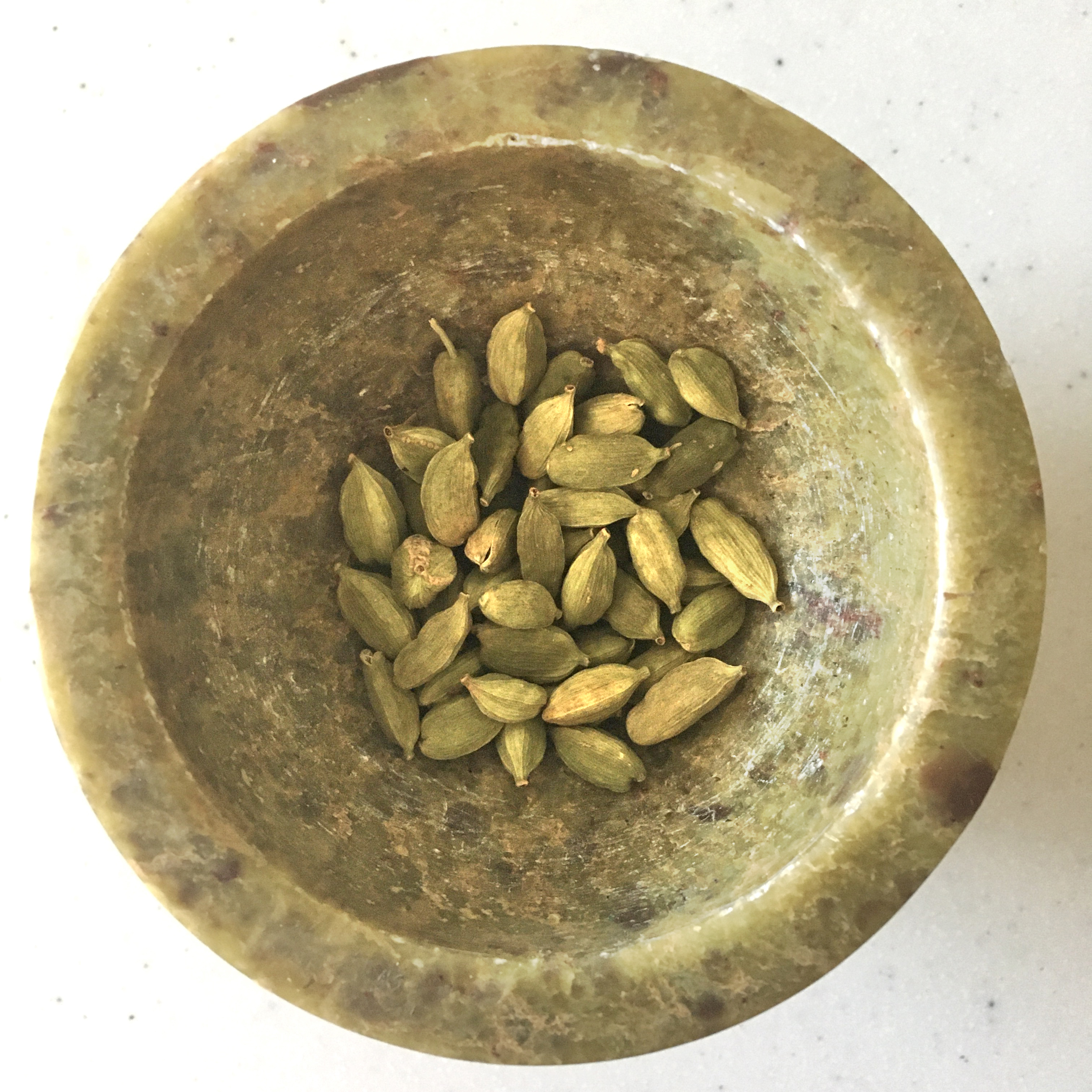
Photo: Nakib Ahmed / Wikimedia Commons (CC BY 3.0)
Sources: Jagonews24, Prothom Alo, Banglapedia, Food and Agriculture Organization of the United Nations (FAO), The Daily Star, Dhaka Tribune, American Journal of Tropical Medicine and Hygiene (icddr,b), The Lancet Global Health (National Centre for Disease Control, India; US Centers for Disease Control and Prevention), Voice of America, World Health Organization, Wikipedia



Comments
(0)