
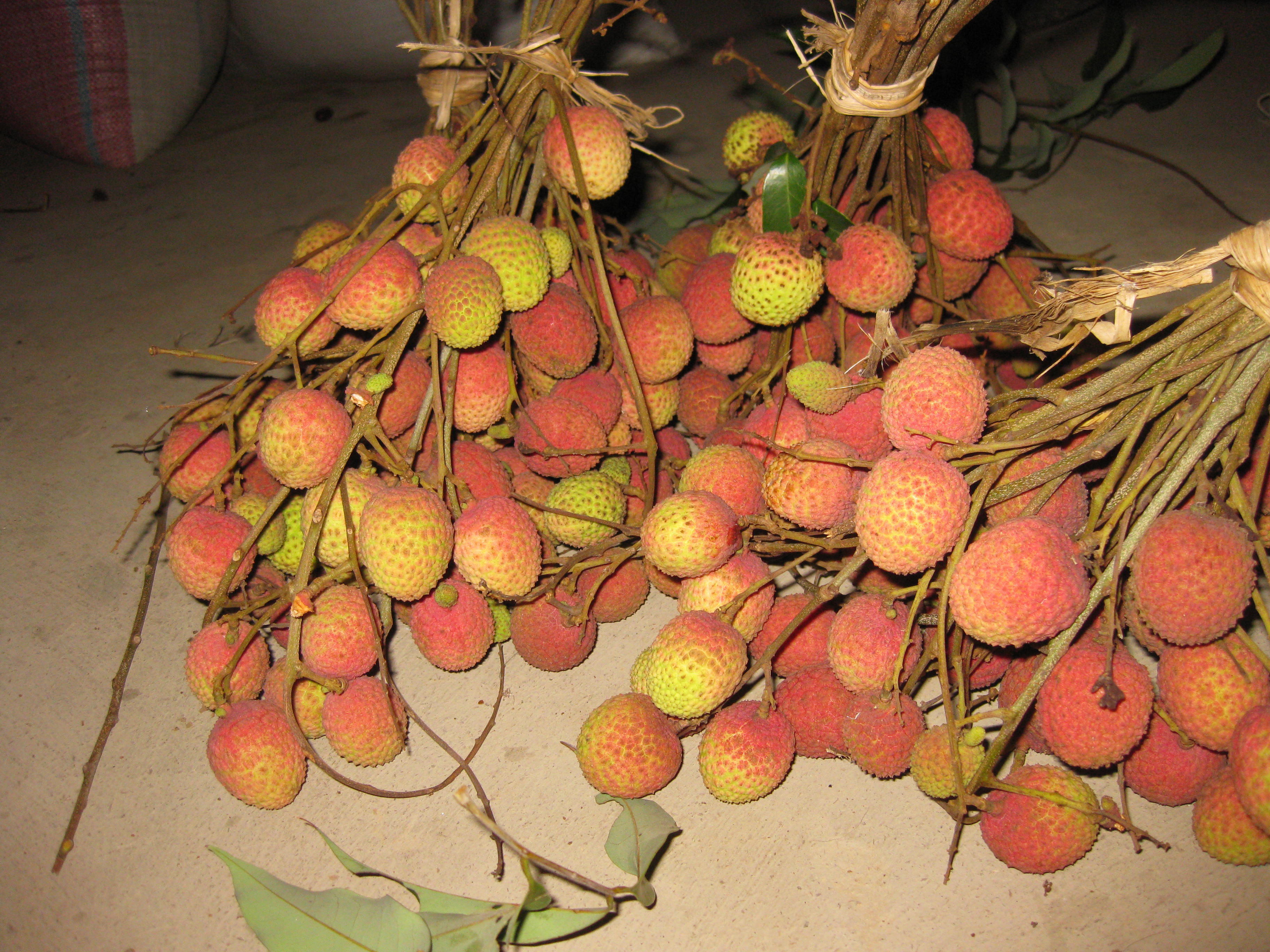
As lychees filled Bangladesh's markets in May 2026, the lifestyle desk of Jagonews24 published a guide on 19 May for people with diabetes who wanted to know whether they could eat the fruit. Its answer was that lychee is not forbidden, but that the amount and the time of eating matter, and that anyone whose blood sugar is hard to control should take a doctor's advice first. This report sets out the guide's points and checks them against health authorities, food composition tables and the published research on lychee and low blood sugar. It is general information, not medical advice: people with diabetes should ask their own doctor about their diet and should never stop or change a medicine on their own.
What the Jagonews24 guide advised
The guide began with the fruit's appeal. Lychee is juicy and popular with young and old, and it contains vitamin C, potassium, copper, antioxidants and some dietary fibre along with a good deal of water. Its sweetness comes from natural sugar, and the guide warned that people with diabetes, whose bodies use insulin less well, could see their blood sugar rise if they ate a large amount without thinking.
Its central message was moderation rather than a ban. Doctors and nutritionists, the guide said, generally advise people with diabetes to eat a limited number of lychees rather than many at one sitting, and because every person's condition is different, individual advice should come from a doctor. It also cautioned against eating a lot of lychee alone on an empty stomach, citing studies that linked such eating to sudden drops in blood sugar, mostly among malnourished children, and it named the groups it said should consult a doctor before eating the fruit: people whose blood sugar swings widely, people who take insulin, people who are overweight and people with kidney or heart disease.
Each of those points can be compared with what health agencies and researchers had published before May 2026. The sections below do that: what the fruit is, what a portion contains, how fruit sugar is handled in a diabetes diet, why some medicines make meal timing important, and what the studies on lychee and hypoglycaemia in children actually found.
Lychee, the fruit and its place in Bangladesh
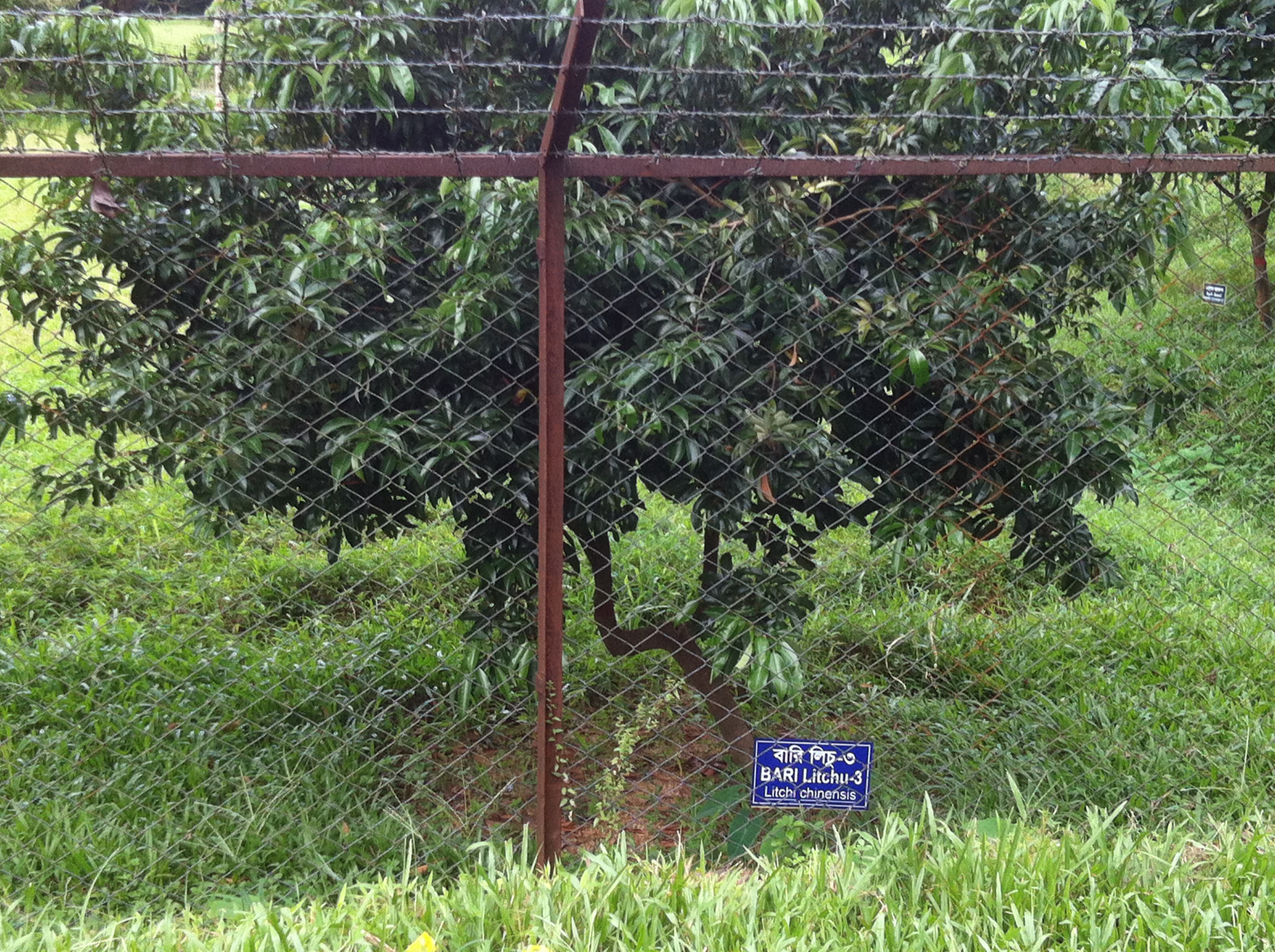
Lychee is the fruit of Litchi chinensis, a tree of the soapberry family, Sapindaceae. Banglapedia, the national encyclopaedia of Bangladesh, describes a thin, brittle shell enclosing a sweet, jelly-like pulp around a single seed. The fruit's original home is China, and Banglapedia says it reached Burma and India by the end of the 17th century. Encyclopedic accounts trace organised cultivation in southern China back to 1059 AD and name China as the largest producer, followed by India and Vietnam.
In Bangladesh, Banglapedia notes, lychee can be grown in every district but is grown mainly in Rajshahi, Rangpur, Dinajpur, Jessore, Kushtia, Mymensingh and Narayanganj, and it stands second only to mango in production among the country's tree fruits. The tree is evergreen, round-topped and much branched, reaching 12 to 15 metres, with young leaves that come out brown in flushes. It needs a warm, humid climate; dry hot air harms the fruit, and deep loamy alluvial soil suits it best. Local selections fall into two broad types, deshi and bombai.
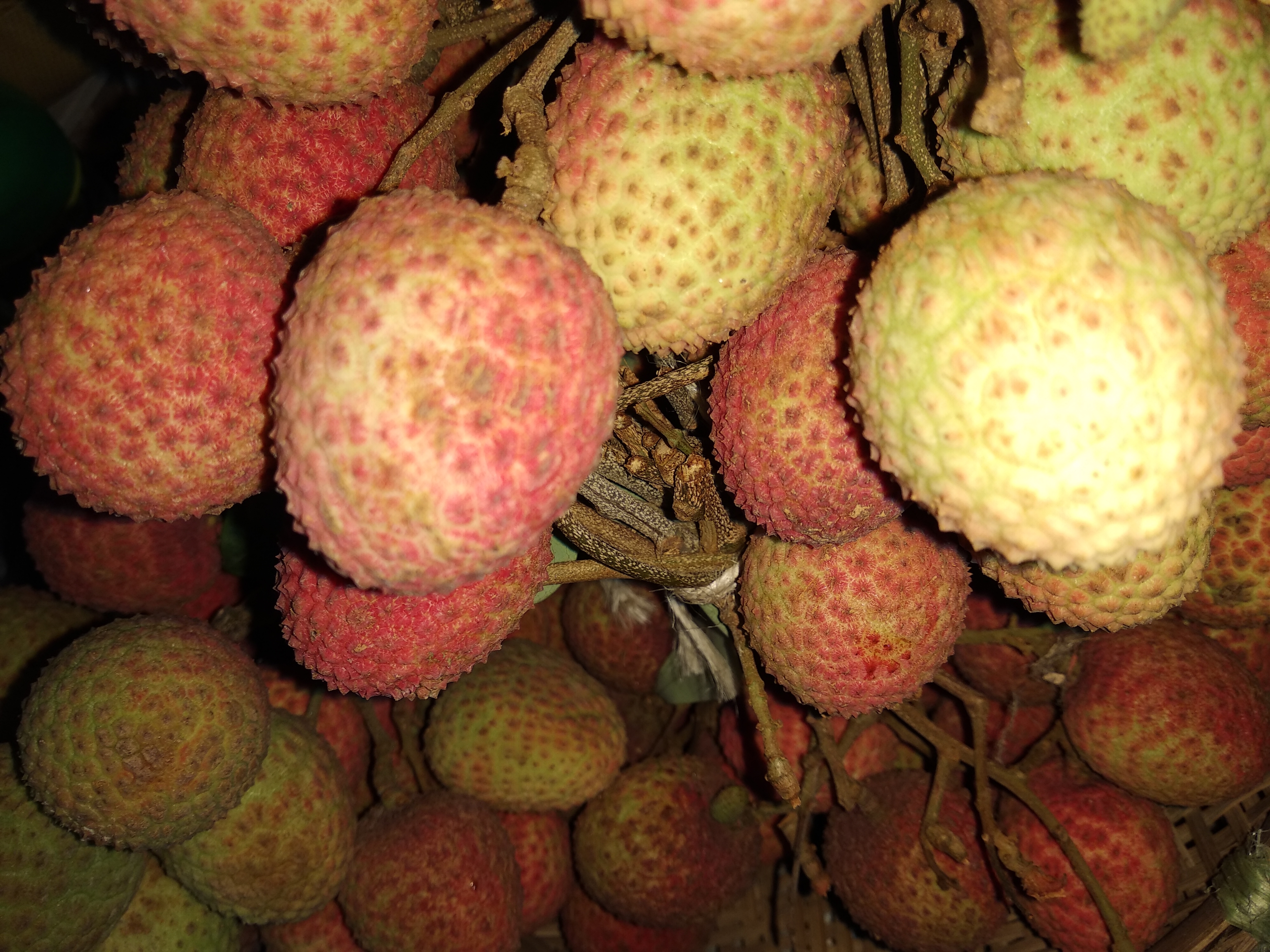
The part that is eaten is the aril, the translucent white flesh under the pinkish-red, bumpy skin, which wraps a dark brown seed. Banglapedia puts the edible portion at 50 to 75 percent of the fruit's weight and says it contains mainly carbohydrate in the form of sugars, with protein, fat, B and C vitamins, calcium and iron. The fruit is usually eaten fresh, but it is also made into drinks and canned, and dried lychee is popular in China.
What a portion of lychee contains
The Food Composition Table for Bangladesh, published in June 2013 by the Institute of Nutrition and Food Science at the University of Dhaka with the support of the Ministry of Food and the Food and Agriculture Organization of the United Nations (FAO), lists raw lychee (lichu) among the country's fruits. For every 100 grams of the edible part it gives:
- Energy: 62 kilocalories (259 kilojoules)
- Water: 81.8 grams
- Protein: 1.4 grams; fat: 0.5 grams
- Available carbohydrate: 10.2 grams
- Potassium: 131 milligrams; magnesium: 15 milligrams; phosphorus: 17 milligrams; calcium: 11 milligrams
- Iron: 0.5 milligrams; zinc: 0.27 milligrams; copper: 0.20 milligrams; sodium: 1 milligram
The figures that the United States Department of Agriculture (USDA) publishes for raw lychee, as reproduced in encyclopedic references, are somewhat higher on sugar: 66 kilocalories, 16.53 grams of carbohydrate, of which 15.23 grams are sugars, 1.3 grams of fibre and 71.5 milligrams of vitamin C per 100 grams, the vitamin C amounting to 79 percent of the daily value. The two tables do not give identical values, but both make the point the Jagonews24 guide made: most of a lychee's energy comes from its natural sugar, while it also supplies potassium, copper and vitamin C.
The size of a portion matters as much as the content. The National Health Service (NHS) in England defines an adult portion of fruit as 80 grams and lists six lychees as one portion of small fruit, alongside two plums, seven strawberries or fourteen cherries. For people who count carbohydrates, the U.S. Centers for Disease Control and Prevention (CDC) says that one carbohydrate serving for diabetes meal planning is about 15 grams of carbohydrate. How many lychees fit a person's meal plan therefore depends on the rest of the meal and on the plan a doctor or dietitian has set, which is why the guide's advice to seek individual advice is sound.
How fruit sugar fits into a diabetes diet
The World Health Organization (WHO), in its diabetes fact sheet of 14 November 2024, describes type 1 diabetes as a condition of deficient insulin production that requires daily insulin, and type 2 diabetes as a condition that stops the body from using insulin properly, leading to high blood sugar if it is not treated. More than 95 percent of people with diabetes have type 2. WHO advises eating a healthy diet and avoiding sugar and saturated fat as part of preventing the disease.
The CDC's guidance on carbohydrate counting, last reviewed on 15 May 2024, explains the mechanism simply: sugars and starches raise blood sugar, but fibre does not. It recommends eating about the same amount of carbohydrate at each meal to keep blood sugar steady through the day, while noting that the right amount depends on a person's age, weight, activity and, for people on insulin, their insulin plan. It says there is no single answer for everyone and recommends working with a diabetes educator.
The U.S. National Institute of Diabetes and Digestive and Kidney Diseases (NIDDK) lists fruits among the foods a healthy diabetes meal plan may include, together with non-starchy vegetables, whole grains, protein foods and dairy. Its plate method gives half the plate to non-starchy vegetables such as leafy greens, a quarter to protein foods such as fish, lean meat or tofu, and a quarter to high-fibre carbohydrate foods, among which it names fruits along with brown rice, whole grains and beans. NIDDK adds that people with diabetes can still have their favourite foods, but may need to eat them in smaller portions or less often.
Seen this way, a lychee is a carbohydrate food. A handful eaten as part of a planned meal or snack is treated differently from a large bowl eaten on top of a full meal, because the sugar in both adds to the same total. That is the practical meaning of the guide's advice to watch both the amount and the timing.
What health services say about fruit for people with diabetes
None of the health services consulted for this report bans fruit for people with diabetes. The NHS page on food and type 2 diabetes, last reviewed on 10 February 2025, advises a healthy diet that includes fruit, vegetables, wholegrain foods such as wholemeal bread and oats, and pulses such as chickpeas and lentils. What it warns against is eating too many processed foods with a lot of salt and sugar, giving bacon, chips, cheese, sweets and biscuits as examples.
The NHS treats fruit juice differently from whole fruit. Its portion guidance says that the combined total of fruit juice, vegetable juice and smoothies should not be more than 150 millilitres a day, a small glass. NIDDK similarly recommends drinks with little or no added sugar, such as water, low-fat or non-fat milk and unsweetened tea or coffee. For lychee, which Banglapedia notes is also made into drinks and canned fruit, these rules point readers towards the fresh fruit in a measured portion rather than sweetened lychee drinks.
The health services also agree with the guide's last point: advice has to fit the person. The CDC says carbohydrate needs differ with age, weight and activity, and NIDDK's meal planning starts from a person's own medicines and routine. Readers who take medicine for diabetes, and especially those with kidney or heart disease, should therefore ask their doctor or a trained dietitian how fruit such as lychee fits their own plan.
Low blood sugar: why medicines and meal timing matter
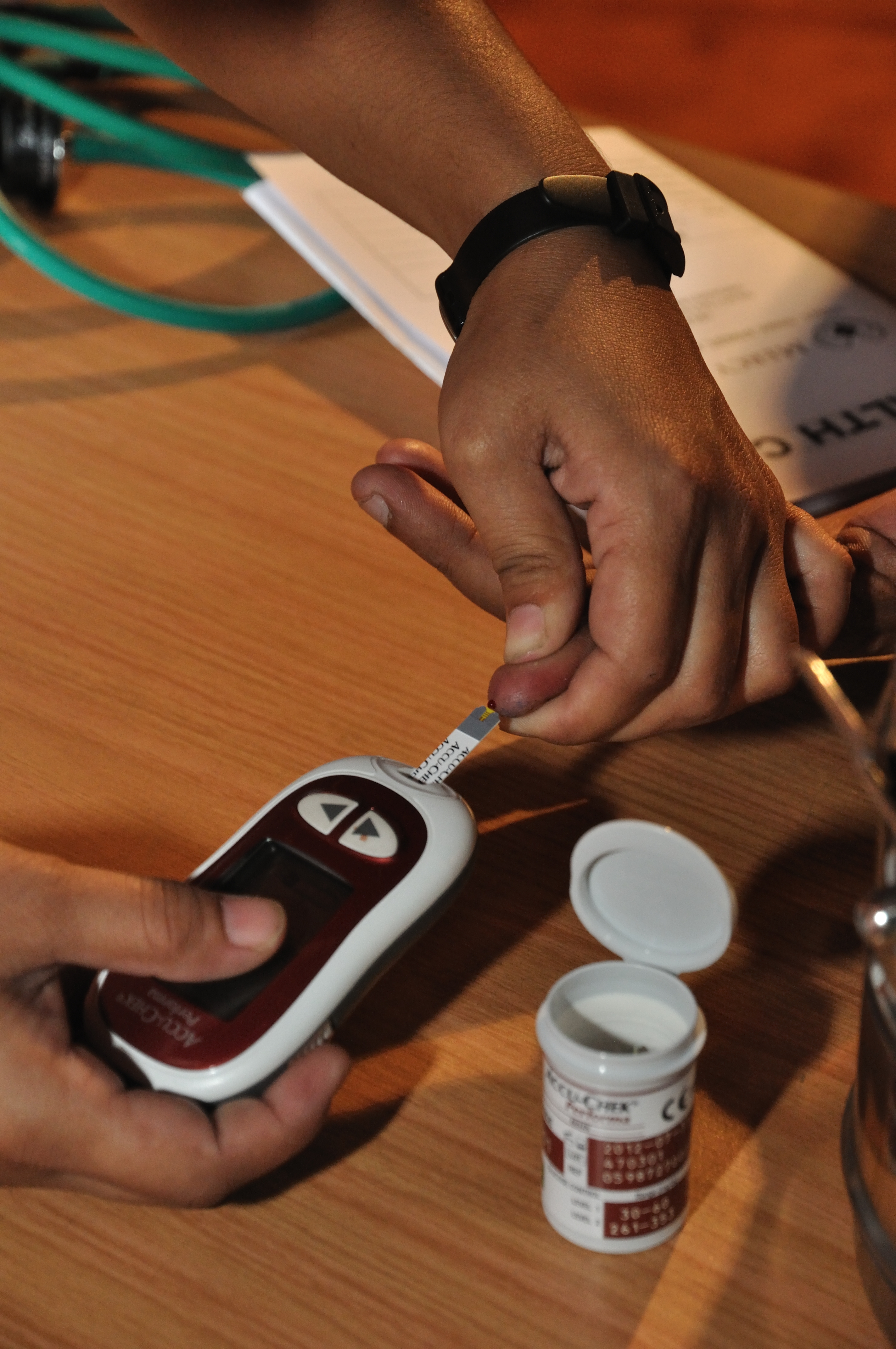
The guide's warning about eating on an empty stomach touches on a separate risk: blood sugar falling too low. MedlinePlus, the consumer health service of the U.S. National Library of Medicine, in a page reviewed on 25 January 2026, defines low blood sugar (hypoglycaemia) as a level below 70 mg/dL (3.9 mmol/L). In people with diabetes it can be caused by insulin or certain diabetes medicines, or by exercising more than usual while taking insulin.
NIDDK names the medicines concerned: some diabetes medicines, such as sulfonylureas or insulin, may make blood glucose drop too low during exercise or if a person skips or delays a meal. This is why people on these medicines are asked to keep regular mealtimes, and why replacing a meal with fruit alone is something to discuss with a doctor rather than decide alone.
MedlinePlus lists the warning signs of low blood sugar as double vision, a fast heartbeat, nervousness, headache, hunger, shaking, sweating, tiredness and unclear thinking, and says more severe symptoms, such as unclear thinking or a seizure, may occur when blood sugar is much lower, below 54 mg/dL. Its first-aid advice is to take carbohydrate: juice or another drink containing sugar, food, or glucose tablets, with some patients using glucagon injections. If the signs do not improve after a sugary snack, it says, the person should get a ride to the emergency room.
The lychee and hypoglycaemia research in India
The guide's reference to studies on lychee and sudden low blood sugar in malnourished children rests on a series of investigations in Muzaffarpur district of Bihar, India, which the researchers describe as the country's largest litchi cultivation region. A report in the CDC's Morbidity and Mortality Weekly Report (MMWR) of 30 January 2015 said outbreaks of an unexplained acute neurological illness among young children had been reported there since 1995, generally peaking in June and declining with the monsoon rains, and coinciding with the month-long litchi harvest.
In 2013, according to the MMWR report, 133 children were admitted to Muzaffarpur's two main referral hospitals with the illness between 17 May and 22 July, and 44 percent of cases were fatal. Low blood glucose (below 70 mg/dL) on admission was found in 20 of 94 patients and was more common among those who died. Ill children had spent more time in agricultural fields or orchards than controls, and younger patients were more likely to be wasted. Investigators from India's National Centre for Disease Control and the CDC concluded that the illness was more likely a non-inflammatory encephalopathy, possibly caused by a toxin, and recommended glucometers for health facilities and rapid treatment of low blood sugar.
The fuller 2014 investigation was published in The Lancet Global Health in 2017 (Shrivastava and colleagues). Between 26 May and 17 July 2014, 390 children meeting the case definition were admitted to the two hospitals, and 122 of them (31 percent) died; 204 of 327 had a blood glucose of 70 mg/dL or less on admission. Comparing 104 cases with 104 age-matched hospital controls, the study found that eating litchis (matched odds ratio 9.6) and missing the evening meal (2.2) in the 24 hours before illness were associated with illness, and that missing the evening meal strengthened the effect of eating litchis. Tests for infections and pesticides were negative.
The laboratory work pointed to two natural toxins, hypoglycin A and methylenecyclopropylglycine (MCPG), which the authors describe as fruit-based compounds that cause hypoglycaemia and metabolic derangement. Their metabolites were found in 48 of 73 urine samples from sick children and in none of 15 controls, and 72 of 80 case samples showed abnormal acylcarnitine profiles consistent with severe disruption of fatty acid metabolism. In 36 litchi arils from Muzaffarpur, hypoglycin A ranged from 12.4 to 152.0 micrograms per gram and MCPG from 44.9 to 220.0 micrograms per gram. The researchers recommended minimising litchi consumption, making sure children received an evening meal, and correcting blood glucose rapidly in suspected cases.
A follow-up study of the 2019 outbreak, published in Transactions of the Royal Society of Tropical Medicine and Hygiene in 2023 (Ponnaiah and colleagues), compared 61 cases with 239 controls. Children who fell ill were about five times as likely as community controls to have eaten litchi in the previous seven days (adjusted odds ratio 5.1) and to have skipped the previous evening's meal (5.2). The authors concluded that skipping the evening meal and eating litchi remained significantly associated with the illness in Muzaffarpur and neighbouring districts. All of these studies concerned children aged 15 or younger in an outbreak area; none of them studied adults with diabetes.
Lychee season outbreaks in Vietnam and in Dinajpur
Similar seasonal outbreaks were investigated in Bac Giang province of northern Vietnam, a rural province of 1.6 million people. A study in the CDC journal Emerging Infectious Diseases in August 2018 (Phan and colleagues) examined children with an acute encephalitis-like syndrome during the litchi harvests of May to July since 2008. Eight blood samples tested positive for the hypoglycaemic toxins found in litchi, and 19 cerebrospinal fluid samples tested positive for an enterovirus. The authors said the toxins are present in the seeds and the flesh of the fruit, and recommended that children with rapidly progressing illness at harvest time be treated urgently for life-threatening hypoglycaemia.
Bangladesh had its own investigation. On 16 June 2012 a physician at Dinajpur Medical College Hospital alerted the Institute of Epidemiology, Disease Control and Research (IEDCR) to an outbreak of encephalitis among children. A team from IEDCR and icddr,b, working with the CDC, published its findings in the American Journal of Tropical Medicine and Hygiene in July 2017 (Islam and colleagues). Fourteen children fell ill and 13 died; 13 came from 13 villages in four subdistricts of Dinajpur and one from neighbouring Thakurgaon. Their median age was 4.6 years, and the main symptoms were unconsciousness, convulsions, excessive sweating and frothy discharge from the mouth.
The Dinajpur study reached a different conclusion from the Indian work. Visiting a lychee orchard in the 24 hours before illness (age-adjusted odds ratio 11.6) and having family members who worked in lychee orchards (7.2) were associated with illness, but eating lychees was not. The team found multiple pesticides, some banned in Bangladesh, in routine use in the orchards, and observed packets of endosulfan, an organochlorine insecticide banned in more than 80 countries. Children had collected cracked and dropped fruit and reportedly did not wash it, peeling it with their teeth. The authors linked the outbreak to orchard exposures where agrochemicals were used, said MCPG alone might not explain it, and noted that the lack of samples taken during the acute illness was a major limitation.
The same paper recorded that between 2008 and 2016, icddr,b and IEDCR investigated nine outbreaks of acute encephalitis syndrome among children in Bangladesh, seven of them during the lychee harvesting season, and that a further outbreak occurred among children in 2015 in the same lychee-growing area of Dinajpur.
Diabetes in Bangladesh and where to get advice
The question matters because diabetes is common. WHO estimated that the number of people living with diabetes rose from 200 million in 1990 to 830 million in 2022, when 14 percent of adults aged 18 and over had the condition, up from 7 percent in 1990. More than half (59 percent) of adults aged 30 and over with diabetes were not taking medication for it, and in 2021 diabetes directly caused 1.6 million deaths. For Bangladesh, the WHO diabetes country profile of 2016 put the prevalence of diabetes at 8.0 percent, 8.6 percent among men and 7.4 percent among women.
The country's oldest diabetes body is the Diabetic Association of Bangladesh, founded in Dhaka in 1956 at the initiative of National Professor Mohammad Ibrahim, according to Banglapedia. It began with an outpatient clinic at Segun Bagicha in 1957, set up the Bangladesh Institute of Research and Rehabilitation in Diabetes, Endocrine and Metabolic Disorders (BIRDEM) in 1980, and is a WHO regional collaborating centre for diabetes research in Southeast Asia; Banglapedia lists 42 district-level branches of the association and BIRDEM.
Photo: Mazhar Zarif / Wikimedia Commons (CC BY-SA 4.0)
Sources: Jagonews24, Banglapedia, Institute of Nutrition and Food Science, University of Dhaka (Food Composition Table for Bangladesh, 2013), U.S. Department of Agriculture data as given in Wikipedia, National Health Service (NHS), U.S. Centers for Disease Control and Prevention (CDC), National Institute of Diabetes and Digestive and Kidney Diseases (NIDDK), MedlinePlus, World Health Organization (WHO), Morbidity and Mortality Weekly Report, The Lancet Global Health, Transactions of the Royal Society of Tropical Medicine and Hygiene, Emerging Infectious Diseases, American Journal of Tropical Medicine and Hygiene
Comments
(0)