
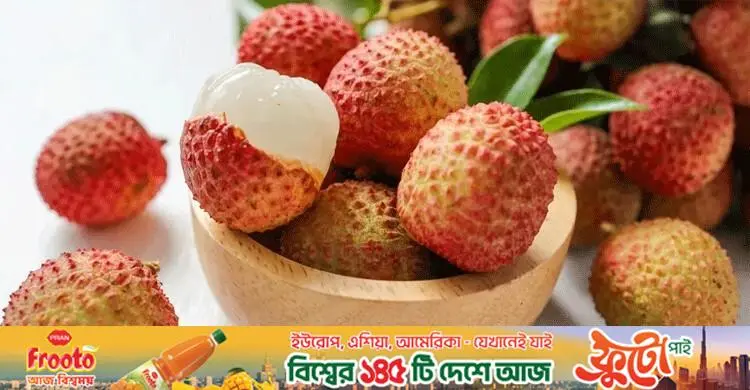
With the onset of the heat, juicy litchis have begun appearing in the market, and the sight of the bright red fruit makes many mouths water. But it is not enough to buy litchis that look good; you also need to make sure they are safe. Chemicals or artificial colours are sometimes used to make litchis look redder and fresher, and immature litchis are ripened with various chemicals. So it is important to know a few things before buying.
Colour and firmness
When buying litchis, first look at the colour of the skin. Different varieties can differ in colour: some are deep red, others light orange or tinged with brown. But good, mature litchis usually look bright and natural. Be careful if you see litchis that are very glossy or an unnaturally bright red, because artificial colour is sometimes used to attract buyers.
Hold a litchi and press it gently. If it feels very soft, it may be overripe or spoilt inside. A good litchi will be taut and fresh. Very soft litchis sometimes have a sour smell or rotten parts inside.
Smell and hidden dye
Ripe litchis have a sweet, fresh smell that you notice as soon as you hold one to your nose. Chemically treated or immature litchis usually lack that natural sweet smell. If a litchi smells strange or sharp, it is better not to buy it.
Colour is sometimes applied to unripe litchis to make them look red. So when you get them home, you can soak the litchis in water for a while. If the water turns reddish or colour comes off on your hands, artificial colour has been used on the skin.
Skin and peel
The skin of good litchis is usually clean and fresh. Avoid litchis with brown spots, cracks or rotten patches on the skin. If the top or the stalk end in particular is rotten, the inside is more likely to be spoilt too, so it is better to buy fresh litchis still on the branch.
Peeling a litchi also tells you a lot. The skin of ripe, sweet litchis usually comes off easily. If the skin sticks tightly or there are brown spots inside, the fruit may not be good.
Do not eat litchis straight from the market; wash them well first. You can soak them in clean water for about an hour, which may remove dirt and some of any artificial colour. Buying litchis carefully will add to the enjoyment of this popular summer fruit and greatly reduce the health risk. The article drew on Zee News and other sources.
Source: Jagonews24. First published in Bengali on The Agro News.

Comments
(0)