
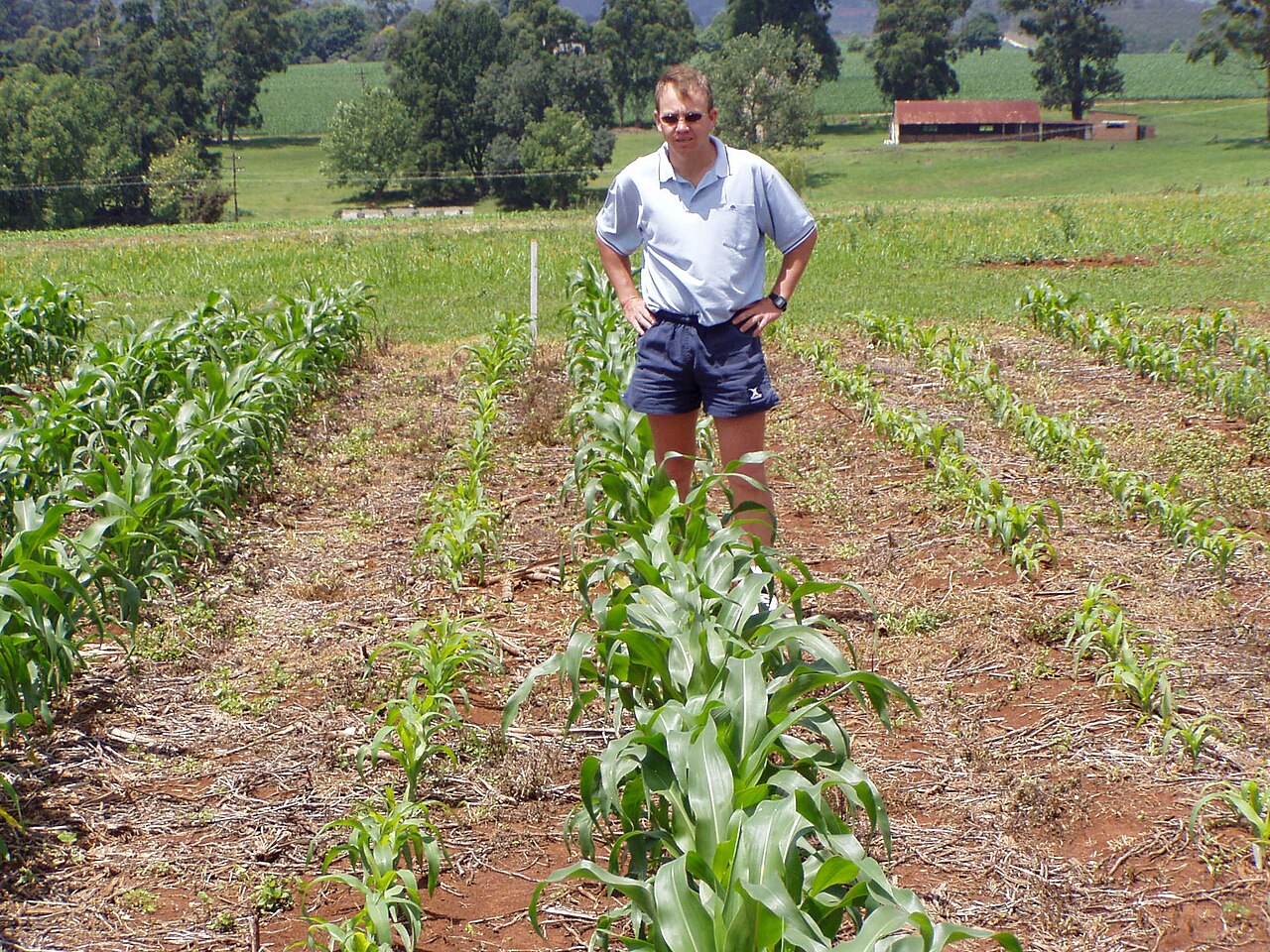
KwaZulu-Natal's provincial government launched its 2026/27 Multi-Planting Season on 3 October at KwaGuqu in the Dlebe area of Ulundi, with a warning that the expected El Nino could make this a hard season for the province's smallholder farmers.
Premier Thamsanqa Ntuli said the annual programme of the KwaZulu-Natal Department of Agriculture and Rural Development aims to bring unused farmland into production, strengthen food security and help smallholders move into commercial farming. This year it includes mechanisation, high-yielding inputs, extension services, new irrigated sites and an intake of young people into farming.
Agriculture MEC Thembeni kaMadlopha-Mthethwa said the province expects below-normal rainfall and above-normal temperatures, which could cut yields of rain-fed maize, dry beans and soya beans. "The dry conditions could also weaken veld and grazing, increase pressure on water supplies and feed costs, and raise the risk of veld fires, pests, and livestock diseases," she said. She named Amajuba, Zululand, uMkhanyakude, uThukela, uMzinyathi, uMgungundlovu and parts of Harry Gwala as high-risk districts, since they grow much of the province's staple crops on rain alone.
Farmers will receive early-warning information to guide planting and livestock decisions, she said, and inputs will follow the evidence. "Farming must be guided by science, not guesswork," she said. Soil samples have been taken from 50 hectares earmarked for planting, 30 at KwaGuqu for 34 beneficiaries and 20 at eMkhiweni for 32, and fertiliser will be handed out only once the results show what each field needs. The department has already prepared 35 hectares with seven tractors and is training 25 of its 57 public-works tractor drivers.
The area's fertile, well-drained Hutton soils could yield up to 4.7 tonnes of maize a hectare on dryland under good conditions, according to the department's scientists. The delegation visited the Kwadidwayini Cooperative, led by 31 women, and the 2-hectare Vukuzakhe Cooperative at KwaGuqu, where 20 women grow onions, cabbages, potatoes and tomatoes; the MEC promised fencing, irrigation, seed, fertiliser and help with markets, and the premier asked for the project to grow to 5 hectares.
Livestock keepers received a new dip tank at KwaNqindi, which farmers said would save them long walks to dip their cattle and which the MEC said would bring animal health services closer and help prevent disease.
Photo: Alandmanson / Wikimedia Commons (CC0)
Source: Farmers Weekly South Africa

Comments
(0)