
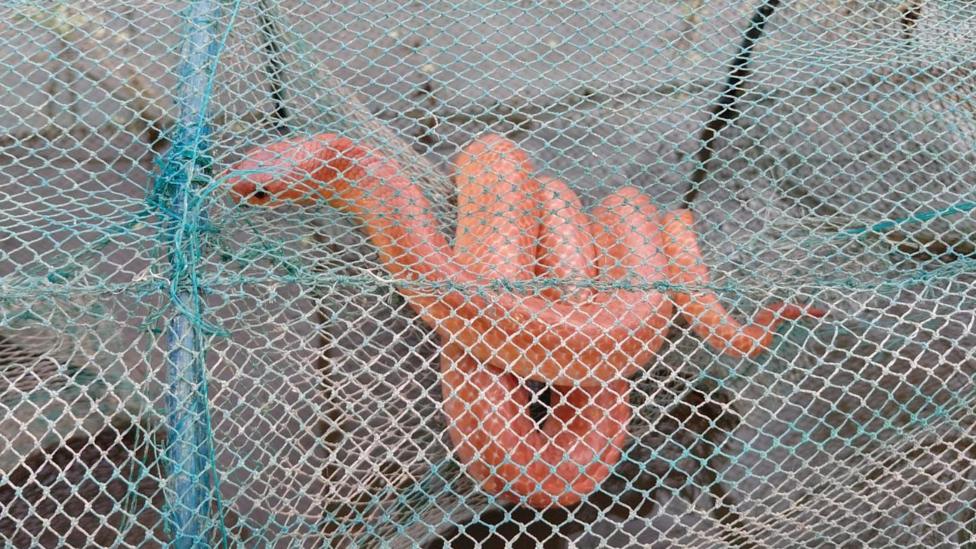
The coral red kukri snake, known locally as komolaboti and regarded as rare worldwide, was first seen in northern Bangladesh only five and a half years ago. The numbers found in the region in the few years since have been described by some as astonishing.
The species is Oligodon kheriensis. The name komolaboti is not a dictionary word but is used locally and by researchers because of the snake's reddish orange colour, and its head is markedly different from that of other snakes.
It does not grow large. Researchers say the first specimen found in Bangladesh was close to two and a half feet long; rescuers say the one found this time was about three and a half feet.
World records of the snake are few. Even after it was first described in Uttar Pradesh in India in 1936, sightings anywhere were scarce, and this Himalayan species was seen only in northern India and Nepal. Bangladesh became the third country to record it in February 2021, according to an article published in an international journal.
Researchers put worldwide sightings at just 22 or 23, but the rescuer's count is different. Md Shahidul Islam, who recovered the snake in Bangladesh in 2021, is the founder of the Wildlife and Snake Rescue Team in Bangladesh and trained at the Venom Research Centre under Chittagong Medical College Hospital.
"Since first finding it in 2021 I have found 66 snakes over the past few years. Of these, 12 or 13 are young and the rest adults. I first found them in Panchagarh but later they were found in Thakurgaon. Most of them were in Panchagarh," Mr Islam told BBC Bangla. Two other people in the same district have found several of the species, he said, but those records were not documented.
Why the snake is being seen so much more often needs research to establish, according to researchers connected with the zoology department at the University of Chittagong and the Venom Research Centre. The farmland and scrub of the northern districts are its main habitat.
Source: BBC Bangla
Comments
(0)