
The world's frozen regions are warming faster than the global average, raising the risk of catastrophic floods, irreversible ice loss and the release of vast amounts of trapped carbon, according to two reports released on 2 November, about a week before the COP31 climate talks open in Antalya, Turkey, Down To Earth reported. Overshoot and the Cryosphere: Averting Global Meltdown and State of the Cryosphere 2026: The Cost of Overshoot come from the International Cryosphere Climate Initiative (ICCI) and the UN Environment Programme (UNEP).
The reports warn that even temporarily exceeding the Paris Agreement's 1.5°C limit could have lasting effects on glaciers, ice sheets and permafrost. The Arctic has warmed up to four times faster than the global average over the past decade; in the Hindu Kush Himalaya, a global rise of 1.5°C could mean 1.8-2.2°C of regional warming; and the Greenland and Antarctic ice sheets are losing ice about six times as fast as in the 1990s. Permafrost under about 15% of the Northern Hemisphere, some 14 million square kilometres, stores at least 1,700 billion tonnes of carbon.
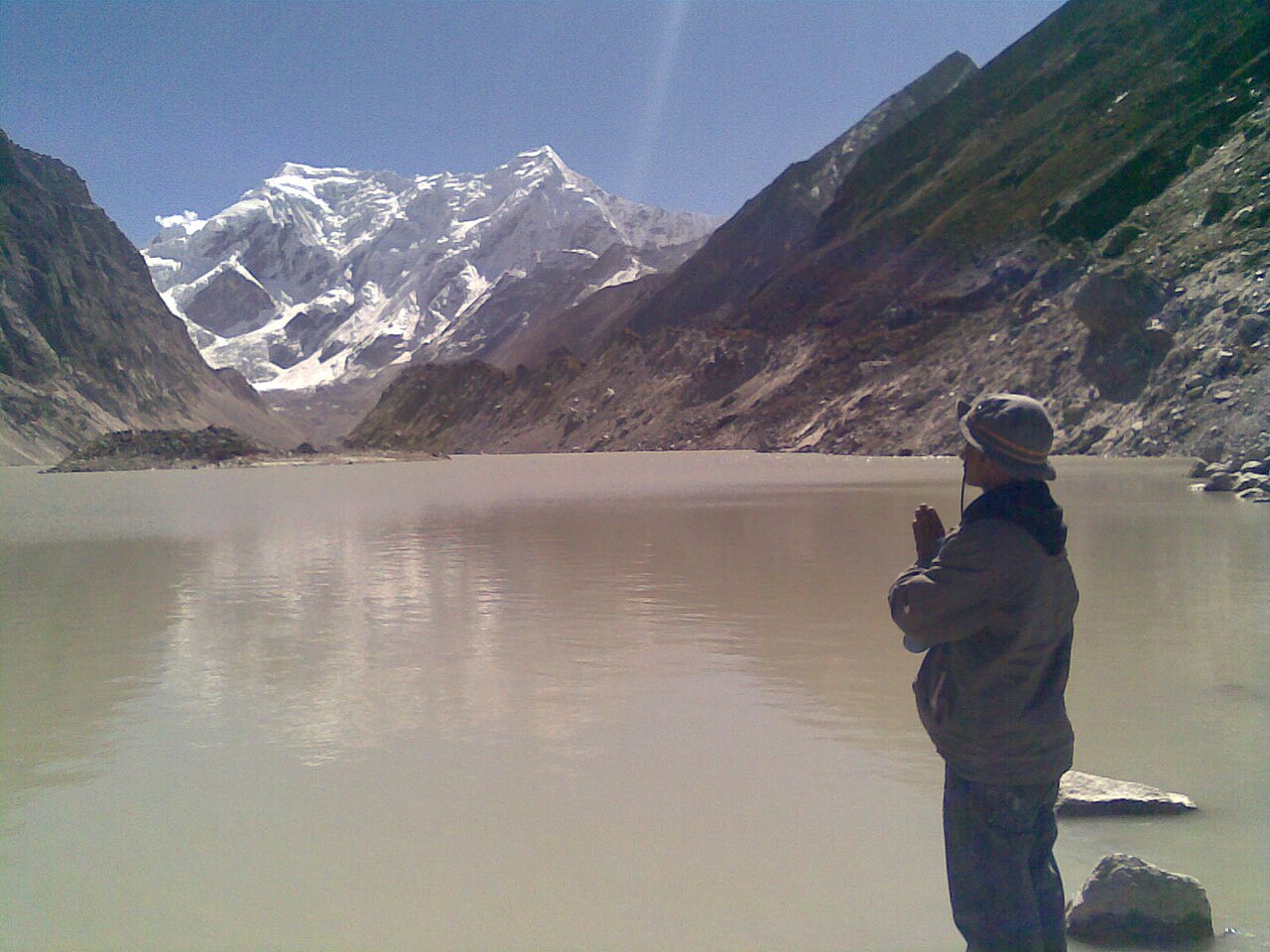
A separate UN-led study, still in pre-publication, looked at glacial lake outburst floods (GLOFs) across 4.2 million square kilometres of the Hindu Kush Himalaya, covering Afghanistan, Pakistan, India, China, Nepal, Bhutan, Bangladesh and Myanmar, from 1835 to 2025. China recorded 199 such floods, Pakistan 152, India 62 and Nepal 58, but India had by far the most deaths, 6,119, against 1,991 in Pakistan and 625 in China, and the worst displacement, followed by Nepal and Pakistan.
Lead author Dipesh Chapagain of the United Nations University Institute for Environment and Human Security in Bonn said these floods have risen rapidly, mainly because of climate change. After 1950 they reached about 34 a decade, five times the earlier rate. Ice avalanches set off half the recorded events and intense rain a quarter, and about 70% happened in the summer monsoon months, when heat and rainfall peak.
"The Overshoot report does paint a very gloomy and scary picture," said James Kirkham, ICCI chief scientist and coordinating lead author, calling for more finance for adaptation and for keeping peak warming as close to 1.5°C, and as brief, as possible. An Indian climate expert who asked not to be named called the findings an "eye-opener" and urged faster adaptation in the Himalayan regions to protect communities, infrastructure and ecosystems.
Photo: Kapilkhatri19 / Wikimedia Commons (CC BY-SA 3.0)
Source: Down To Earth



Comments
(0)