
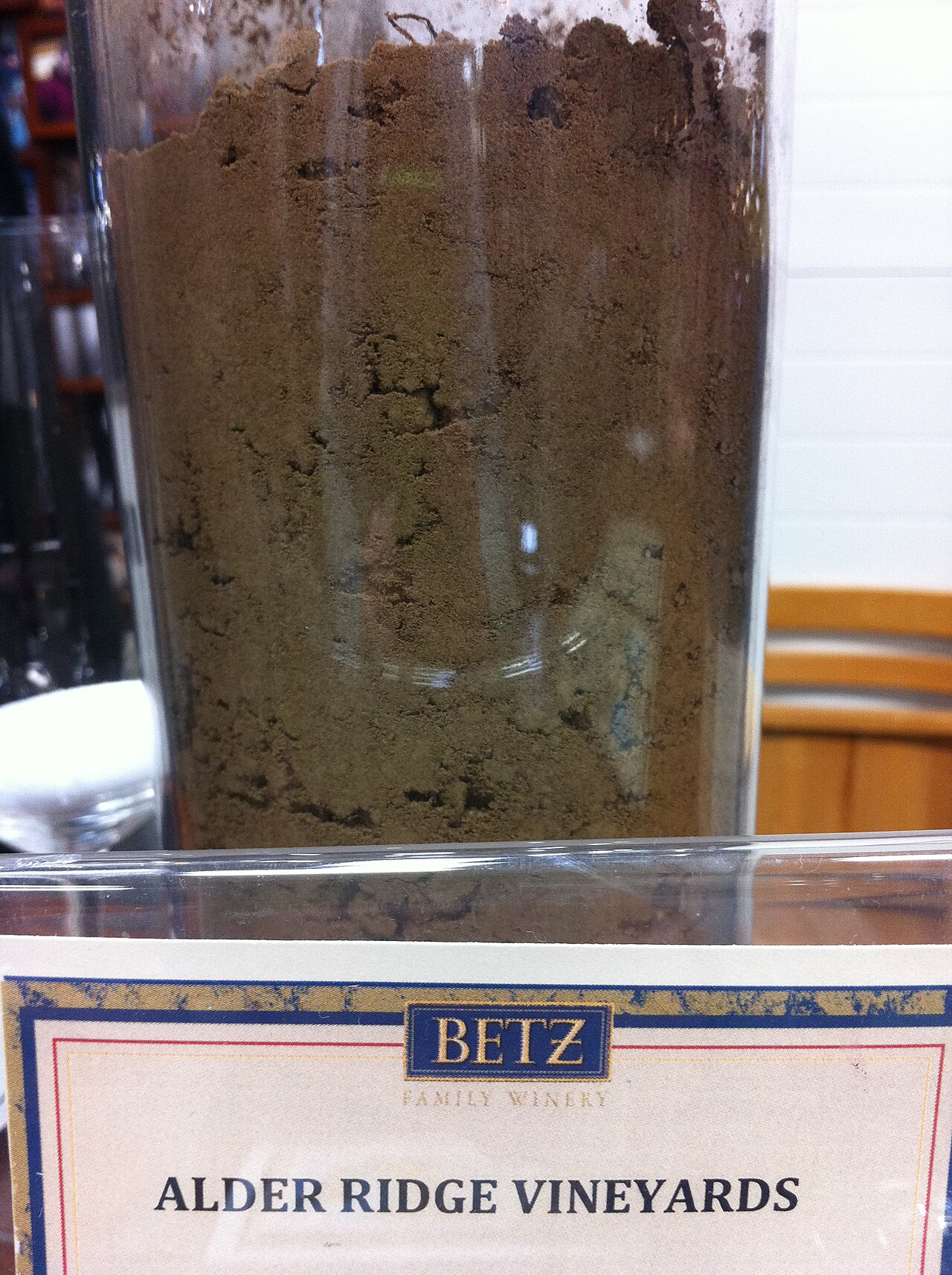
For many smallholders in Kenya, buying fertiliser starts with what worked last season. Soil scientist Priscilla Wakarera wants them to ask first what their soil actually needs. Without that answer, AGRA reports, farmers can spend money on inputs without knowing whether the soil is too acidic, short of nutrients or unable to hold moisture.
Through Rhea, the soil-health company she founded, trained agronomists carry a portable testing device called the AgriPad to the farm, so samples no longer have to travel to distant laboratories.
Farmers receive results by SMS, WhatsApp or the Rhea App, with guidance on which fertiliser to use, how much and when. Advice can also cover irrigation, crop choice and soil management. A WhatsApp chatbot takes follow-up questions and photographs of crops, and offers guidance on possible pests, diseases and nutrient shortages.
According to Wakarera, more than 77 percent of the farmers Rhea serves increased the organic matter they applied after getting recommendations, and more than half changed the type of fertiliser they used. Some have moved to split applications, buying smaller amounts for different growth stages instead of one large dose at planting, which spreads costs for households with tight cash flow. Those figures are the company's own.
The service is being used on crops including maize, beans, coffee and avocado. "Doing a soil test should be the blueprint that all farmers use for all farming activities," she says.
Photo: Agne27 / Wikimedia Commons (CC BY-SA 3.0)
Source: AGRA


Comments
(0)