
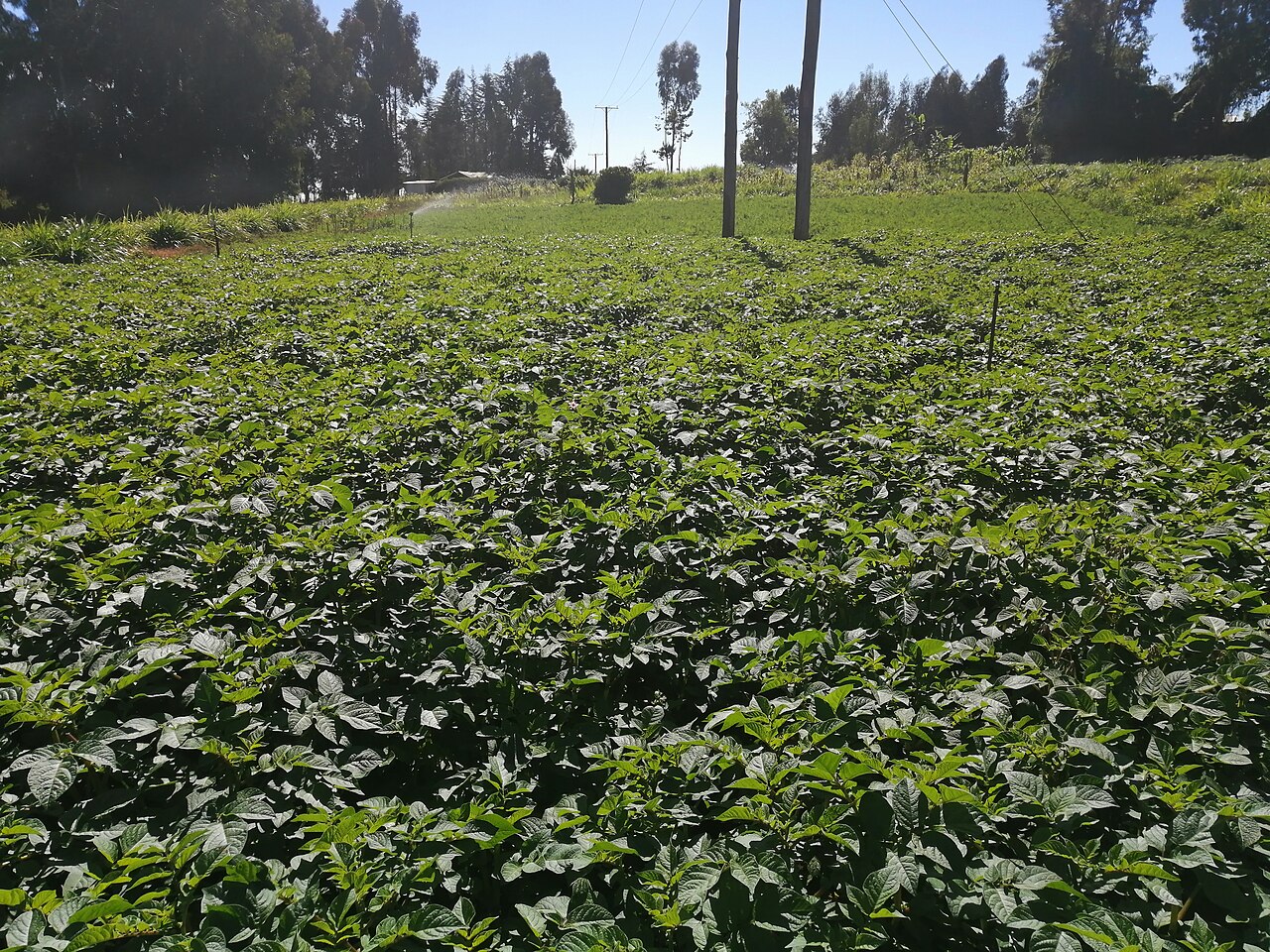
The International Potato Center (CIP) and the Crop Trust have launched a new phase of the BOLD project in Kenya, aiming to turn traits from wild relatives of the potato, which come from the Andes of South America, into a new commercial variety for East African farmers. The plan is a potato that resists disease and copes with heat and erratic rain without giving up the yield and quality that farmers and markets want.
Potatoes are Kenya's second most important staple after maize, CIP says, supporting 3.3 million jobs and worth about USD 324 million a year to the economy. Growing them is getting harder. Late blight, the disease behind the Irish famine, still destroys around a third of potato yields worldwide, and potato cyst nematodes can cut yields by up to 80 percent, costing Kenya alone more than USD 127 million a year.
Building on the project's previous phase, 54 promising potato lines carrying traits from wild relatives will move through a structured breeding pipeline. The targets are resistance to late blight and to cyst nematodes, and tolerance of heat. Testing in several locations, genomic tools and farmers' own assessments will be used to pick the best candidates for different conditions. Between 500 and 1,000 farmers, more than half of them women, will take part in trials and demonstrations.
"We're looking for a potato that can cope with tougher growing conditions and that farmers actually want to grow," said Dr Thiago Mendes, the BOLD principal investigator at CIP. Dr Benjamin Kilian, BOLD project coordinator at the Crop Trust, said wild relatives hold options agriculture may need as conditions change, and the project moves them from genebanks into breeding programmes and on to farmers' fields.
Breeding is only half the job, the partners say: a variety helps nobody unless seed of it reaches farmers. The Kenya Agricultural and Livestock Research Organization (KALRO) will lead breeding and variety advancement, and the Agricultural Development Corporation's Seed Potato Complex at Molo, in Nakuru County, will become a central hub for early-generation seed, linked to seed multipliers and youth-led businesses. The target is at least one improved variety released in Kenya, with the material also offered through the East African Potato Breeding Network to breeders in Ethiopia, Rwanda, Uganda, Tanzania and other African countries.
The approach has worked before. Earlier Crop Trust and CIP work with wild potato diversity contributed to two late-blight resistant varieties in Peru, CIP-Matilde and CIP-Asiryq, now grown by farming communities there. BOLD is a 10-year Crop Trust project funded by the Norwegian government, run with the Norwegian University of Life Sciences and the International Treaty on Plant Genetic Resources for Food and Agriculture.
Photo: Steve Mwongera / Wikimedia Commons (CC BY-SA 4.0)
Source: International Potato Center
Comments
(0)