
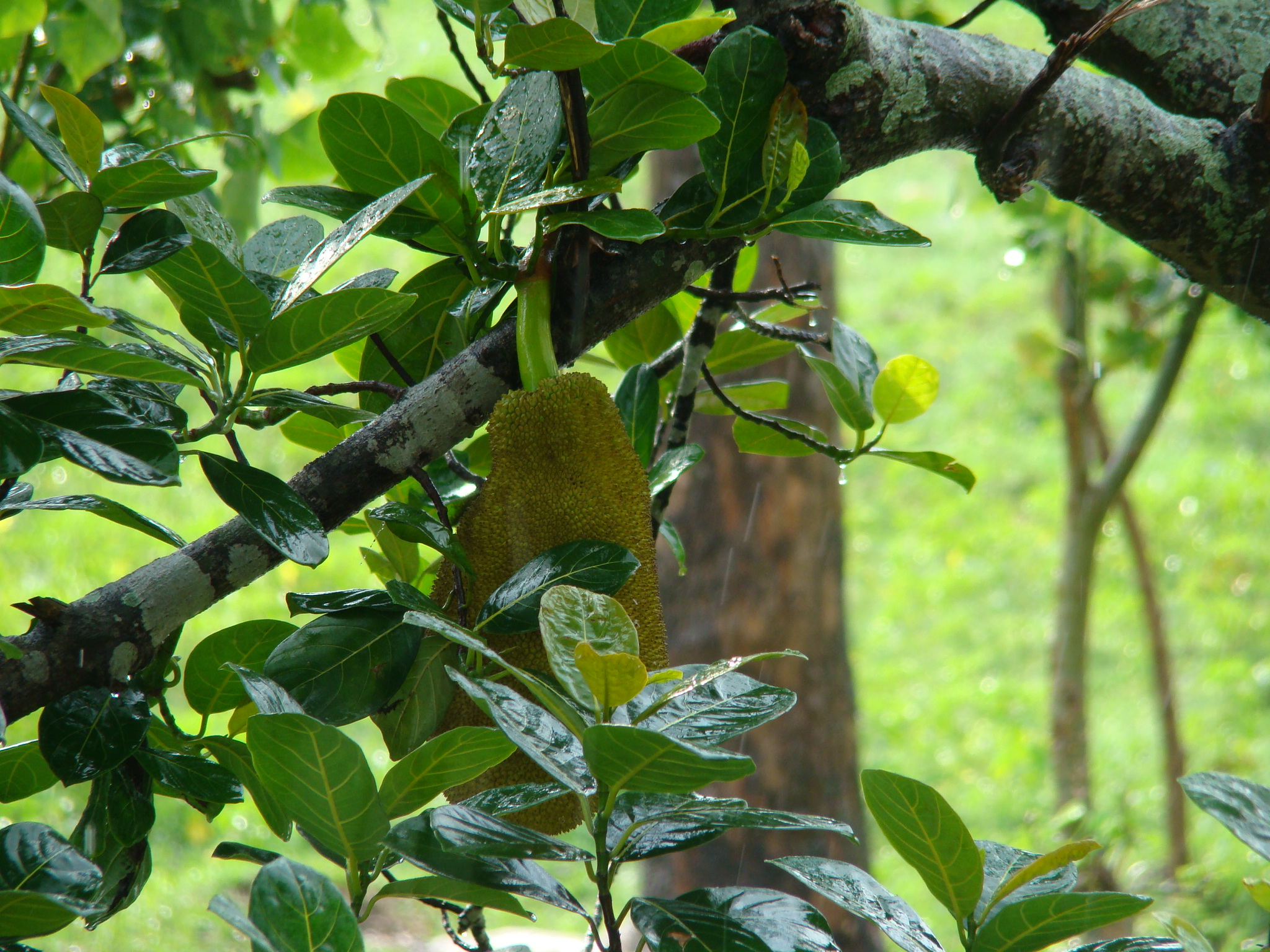
Every summer, golden, juicy jackfruits fill the markets of Bangladesh. The national fruit is known mostly as something to eat fresh, and most people simply pull the ripe bulbs from the fruit and eat them. On 4 July 2026, in the middle of the season, the lifestyle section of Jagonews24 pointed out that this fragrant fruit can also be turned into a range of desserts, and gave a short recipe for one of them: jackfruit payesh, the familiar rice and milk pudding of Bengali homes, cooked with chopped ripe jackfruit and finished with cardamom and cinnamon. The date is also marked as Jackfruit Day: Prothom Alo wrote that morning that the day, which began in 2016, is observed to highlight the fruit's many uses and its potential as a plant-based food.
Why ripe jackfruit suits desserts
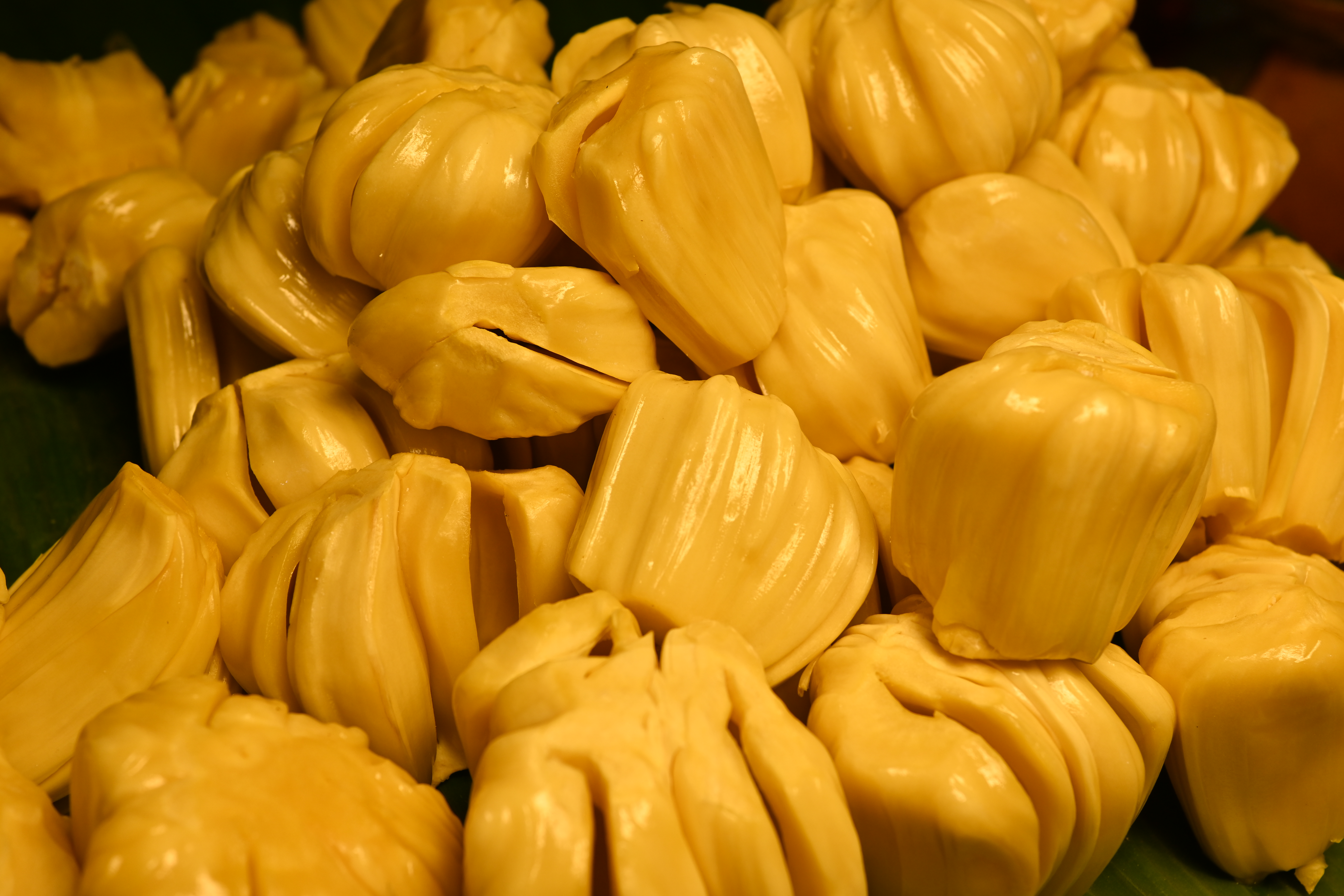
The Jagonews24 piece gave three reasons why ripe jackfruit works so well in sweet dishes: its natural sweetness, its rich aroma and its soft flesh. It suggested that the fruit can find a place in ice cream, pudding, payesh, cake or smoothies, and then chose payesh as its example.
Botanical references describe the same qualities. In her standard work Fruits of Warm Climates (1987), published online by Purdue University's Center for New Crops and Plant Products, the horticulturist Julia F. Morton wrote that the interior of the fruit consists of large bulbs of yellow, banana-flavoured flesh, and that the pulp of an opened fruit smells of pineapple and banana. She listed the ways the ripe bulbs are used: eaten raw or cooked, with coconut milk or otherwise, or made into ice cream, chutney, jam, jelly, paste, fruit leather or papad, or canned in syrup.
Morton also recorded a use that comes close to a payesh. If the bulbs are boiled in milk, she wrote, the milk, when drained off and cooled, sets into a pleasant, orange-coloured custard. In Malaya, she noted, small jackfruits were cut in half, seeded, chilled and brought to the table filled with ice cream. A jackfruit payesh joins the fruit to the same idea: milk and sugar carry the aroma of the bulbs through the whole dish.
The fruit's sweetness can be put in figures. The United States Department of Agriculture's FoodData Central database (SR Legacy, 2019) gives the following values for 100 grams of raw jackfruit: 95 kilocalories, 73.46 grams of water, 23.25 grams of carbohydrate, of which 19.08 grams are sugars, 1.5 grams of dietary fibre, 1.72 grams of protein, 0.64 grams of fat, 448 milligrams of potassium and 13.7 milligrams of vitamin C. Because a jackfruit dessert adds sugar and milk to a fruit that is already sweet, anyone on a medically restricted diet should ask a doctor or dietitian how much of it suits them.
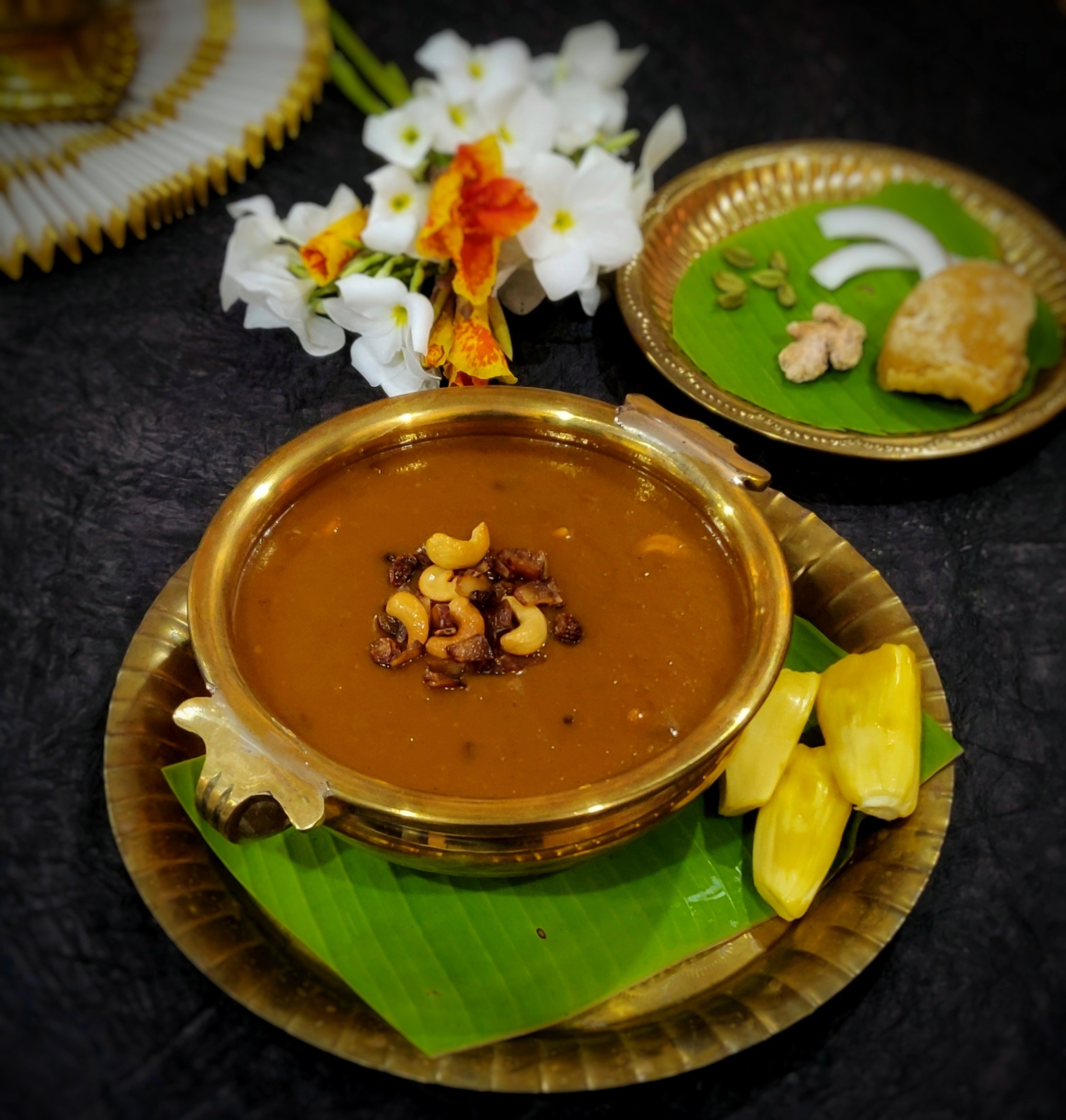
Jackfruit payesh: ingredients and method
The recipe in the stored copy of the Jagonews24 report gives the ingredients and the order of cooking but no quantities, and the quantities could not be recovered from the original page. They are therefore not given here, and none have been added. The ingredients named in the recipe are:
- Milk
- Rice
- Ripe jackfruit, chopped
- Sugar
- Cardamom
- Cinnamon
The method, as the report describes it, is:
- Boil the milk until it thickens.
- Add the rice and cook it in the milk.
- When the rice has softened, stir in the chopped jackfruit and the sugar and cook for a few more minutes.
- Finally add the cardamom and cinnamon and take the pot off the heat.
- Serve the payesh either cold or hot.
For readers who want a sense of proportion, Banglapedia, the national encyclopedia of Bangladesh, records in its article on food habits that kheer eaten as a sweet dish is cooked with rice in the ratio of 16 parts of milk to one part of rice. That is the encyclopedia's general description of kheer, not a measurement from the Jagonews24 recipe.
Two practical points from horticultural references help when preparing the fruit. A ripe jackfruit contains a sticky white latex, and the California Rare Fruit Growers' fact sheet notes that it gathers on knives and hands unless they are first rubbed with cooking oil. Each bulb encloses a single seed, so the seeds are taken out before the flesh is chopped. Morton added that when a ripe fruit is opened indoors, the strong-smelling leftover parts should be taken out of the kitchen at once.
Payesh in the Bengali kitchen
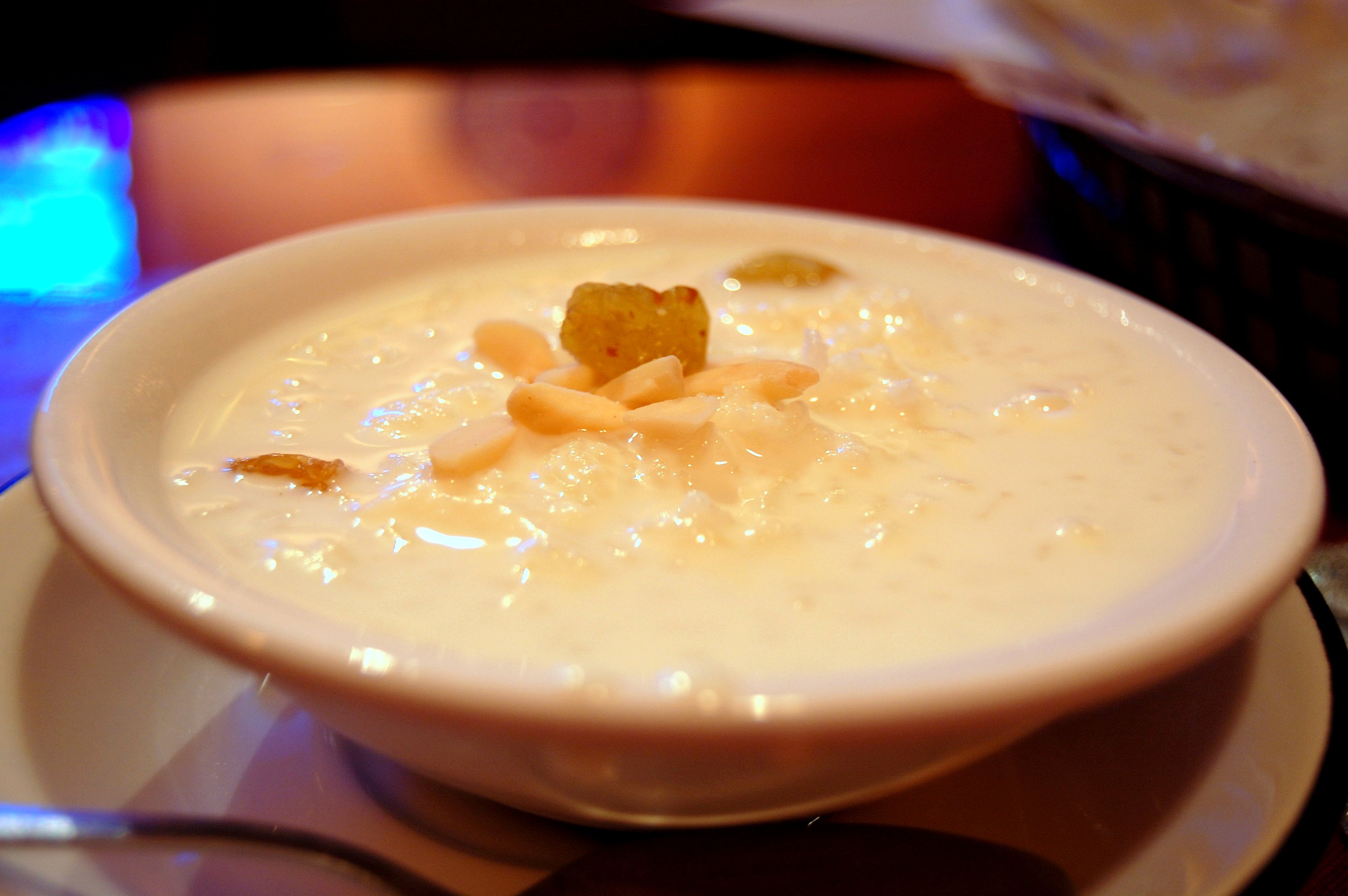
Payesh needs little introduction in Bangladesh. Banglapedia's article on food habits states simply that rice mixed with milk and sugar makes payesh, or pudding. It notes that the dessert at formal or festive meals of Muslims would be zarda, saffron-coloured sweetened boiled rice, or firni-payesh, a variety of rice pudding, and that the pati shapta, a rolled pancake, is filled with kheer or thickened milk.
The dish has many names across South Asia. Kheer, khir, payesh, fenni and payasam are all names for a pudding usually made by boiling milk, sugar or jaggery and rice, and it may be flavoured with dried fruits, nuts, cardamom and saffron. The word kheer comes from the Sanskrit kshira, milk; payasam, used in South India, comes from the Sanskrit payasa, a dish made from milk. Instead of rice, kheer may also be made with cracked wheat, vermicelli, sago or tapioca.
Fruit has long had a place beside milk and rice at the Bengali table. Banglapedia records that in most rural homes, puffed rice (moodi), flattened rice (cheera) and popped rice (khoi) are eaten with milk or yoghurt and seasonal fruits such as mango, banana or jackfruit. It also observes that the poor welcome jackfruit as a substitute for rice in the lean season between harvests.
Cardamom, cinnamon and the flavours of Bengali sweets
The two spices in the recipe are the ones most often found in Bengali sweet dishes. Banglapedia's article on spices defines a spice as any aromatic plant, plant part or plant product used as a condiment or for flavouring food. It lists cinnamon among the spices obtained from bark and cardamom among those obtained from seeds, and notes that garam masala, a combination of clove, black pepper, cinnamon and cardamom, is used mostly in special meat curries and rice preparations.
In its article on sweetmeats, Banglapedia explains that cassia leaves, cardamom powder, raisins, cashew nuts and orange rind are used to give Bengali sweets flavour, variety and decoration. It also draws a distinction that helps place payesh: unlike northern Indian and Pakistani sweetmeats, which are made of thickened milk, the sweetmeats of Bengali confectioners are made from curdled milk (chhana). Payesh, by contrast, is a thickened-milk dessert made at home, which is why the recipe begins by boiling the milk until it thickens.
Bangladesh's national fruit
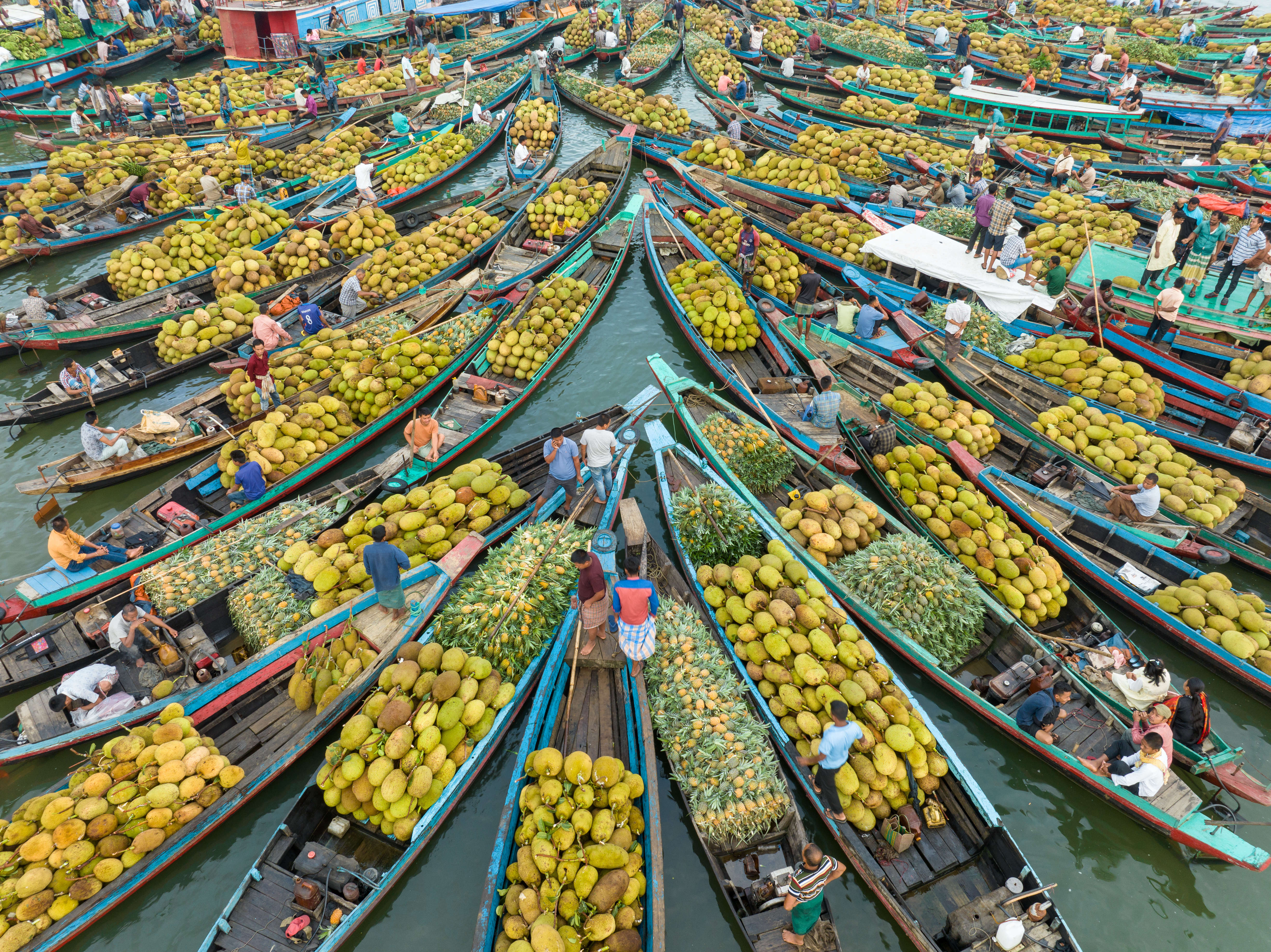
Banglapedia describes the jackfruit (Artocarpus heterophyllus) as originally native to the Indian subcontinent and now widely grown in the tropical lowlands of both hemispheres. The tree bears one of the largest edible fruits known, and the encyclopedia notes that it is a crop a small farmer or villager can grow with little or no care, gaining both a more varied diet and a source of income. Jackfruit is considered the national fruit of Bangladesh. Prothom Alo's Jackfruit Day article of 4 July 2026 added that it is also the national fruit of Sri Lanka and the state fruit of the Indian states of Kerala and Tamil Nadu, and that botanists place its original home in India's Western Ghats.
Morton described the jackfruit as the largest of all tree-borne fruits: 20 to 90 centimetres long, 15 to 50 centimetres wide, and weighing from 4.5 to 50 kilograms. A single fruit may hold 100 to 500 seeds, each inside a fleshy bulb. Banglapedia gives fruit weights in Bangladesh from a few kilograms to about 15 to 20 kilograms, and in some cases up to 30 to 45 kilograms.
The jackfruit tree in Bangladesh flowers from December to March, and the fruit ripens from May to August, according to Banglapedia. A seedling tree starts bearing at five to eight years of age, and a tree 15 to 20 years old bears anything from a few to about 200 fruits a year. Yields vary: some trees bear a heavy crop one year and much less the next.
Because the tree is cross-pollinated and mostly grown from seed, there are countless local types. Banglapedia groups Bangladeshi jackfruits into three kinds: khaja, with a hard flesh; gala, whose pulp is very juicy and soft; and dorosa, an intermediate type with fairly firm, juicy pulp. A Bangladesh Agricultural University study cited by the encyclopedia found that the edible portion of the fruit ranges from 23.26 to 75.56 percent, depending on the type.
Choosing and keeping a ripe jackfruit
A good payesh starts with a properly ripe fruit. The California Rare Fruit Growers' fact sheet says that jackfruits mature three to eight months after flowering. When mature, the fruit usually changes colour from light green to yellow-brown, its closely spaced spines yield to moderate pressure, and it gives a dull, hollow sound when tapped. Morton noted that the unopened fruit gives off a strong odour when fully ripe.
Ripe jackfruit does not keep for long. Both sources state that after ripening the fruit turns brown and deteriorates rather quickly, and that cold storage trials found ripe fruits can be kept for three to six weeks at 11.1 to 12.8 degrees Celsius and 85 to 95 percent relative humidity. For a home cook, that means the bulbs are best used soon after the fruit is opened.
How much jackfruit Bangladesh grows
Bangladesh is the world's second-largest jackfruit producer after India. Prothom Alo reported on 19 July 2025, citing the Food and Agriculture Organization of the United Nations (FAO), that India produces about 2 million tonnes a year, and that Bangladesh produced 1,830,131 tonnes in the 2023-24 fiscal year, 6,131 tonnes more than the year before. According to the Department of Agricultural Extension (DAE), jackfruit was grown on 58,700 hectares that year.
Older figures in Banglapedia, based on Bangladesh Bureau of Statistics data for 2000 to 2007, ranked jackfruit third in area and second in production among the country's fruits, with about 22 percent of total fruit output.
Jackfruit grows in almost every district, but the DAE data cited by Prothom Alo named five districts as the leaders in commercial production: Gazipur, Bandarban, Rangamati, Tangail and Khagrachhari. A DAE horticulturist told the paper that the fruit does best where the soil is reddish and somewhat high, and that although Gazipur leads in output, Mymensingh's jackfruit is the tastiest. Earlier, in December 2019, scientists of the Bangladesh Agricultural Research Institute (BARI) had told Prothom Alo that the largest quantities come from the high ground of Dhaka, Bhaluka in Mymensingh, the Bhawal and Madhupur tracts, the hills of Sylhet, Rangamati and Khagrachhari.
District figures show the scale at local level. In June 2026 the DAE office in Patuakhali told the state news agency BSS that jackfruit was grown on 525 hectares in the district, with 47,250 trees and a production target of 4,362 tonnes for the year at an average yield of 8.3 tonnes per hectare.
Much of the crop is lost. In April 2025 a scientist of BARI's Postharvest Technology Division told BSS that an estimated 50 percent of the country's jackfruit, worth around Tk 500 crore a year, is wasted because it is not eaten or preserved in time. Turning ripe fruit into dishes and products is one of the ways researchers have proposed to reduce that loss.
New varieties for a longer season
A traditional jackfruit tree grown from seed takes seven to eight years to fruit, and its taste and quality are inconsistent, the Dhaka Tribune reported in September 2023, which had discouraged farmers from growing the national fruit commercially. The season is also short: BARI scientists told Prothom Alo in December 2019 that jackfruit is usually available for no more than three months a year.
BARI has worked to stretch that season. In December 2019 its scientists told Prothom Alo that they had released three varieties so that jackfruit would be available all year: BARI Kanthal-1, a high-yielding variety for May and June; BARI Kanthal-2, an off-season variety for January to April; and BARI Kanthal-3, a regular-bearing year-round variety available from September to June. BARI later released BARI Kanthal-4 and BARI Kanthal-5.
In June 2023 the National Seed Board of the Ministry of Agriculture released BARI Kanthal-6, which BARI described as a grafted variety that bears fruit about one and a half years after planting. According to BARI's Fruit Division, the fruit weighs 3.93 kilograms on average, its yellowish-green skin covers a firm, bright yellow pulp that is free of sticky latex, its sweetness measures 24.8 percent total soluble solids, and the average yield is 10.6 tonnes per hectare. At an FAO webinar in July 2024, BARI said that of its six jackfruit varieties, BARI Kanthal-3 and BARI Kanthal-6 produce fruit all year round.
From the home kitchen to processed jackfruit foods
Recipes like the one in Jagonews24 sit within a wider effort to find more uses for the fruit. FAO launched its One Country One Priority Product (OCOP) initiative in September 2021, and jackfruit was chosen as Bangladesh's Special Agricultural Product under it; FAO says the country joined the initiative in 2022. In July 2024, FAO held a webinar and a public fair from 4 to 6 July at the Bangladesh Agricultural Research Council in Dhaka to promote the processing and marketing of jackfruit. There, BARI reported having developed methods for fresh-cut jackfruit, chips, pickle, jam and jelly, and the project had trained more than 300 jackfruit farmers and market actors.
A 2023 FAO study of the jackfruit value chain, summarised by Prothom Alo in July 2025, found that Bangladesh had no significant jackfruit processing industry, that value addition at the processing stage was only about 10 percent, and that at least 30 kinds of products could be made from the fruit. Prothom Alo also reported that Bangladesh exported only 2,081 tonnes of jackfruit in 2023-24 and, citing the DAE's Plant Quarantine Wing, that the country ships jackfruit to the United Kingdom, France, Germany, Sweden and Ireland. In a January 2025 feature, FAO described an entrepreneur in Gazipur who processed about 100 kilograms of jackfruit a day with five employees, making pickles, jam, burgers, cakes and other foods.
Jackfruit desserts were on show just before this recipe appeared. At the national fruit fair in Dhaka in June 2026, Prothom Alo reported, the stall of the Department of Agricultural Marketing displayed jackfruit halwa, jackfruit pudding and barfi made from jackfruit seeds, alongside savoury jackfruit dishes, and the stall also showed a palm-fruit payesh. BARI's stall displayed jackfruit chips, ready-to-cook slices of green jackfruit and jackfruit vegetable meat.
Prothom Alo's Jackfruit Day article of 4 July 2026 ended with a suggestion close to the Jagonews24 recipe: to eat ripe bulbs that day, or to cook a new jackfruit dish at home. Jackfruit payesh needs no more than milk, rice, sugar, two spices and a ripe fruit from the season.
Photo: Shahnoor Habib Munmun / Wikimedia Commons (CC BY 3.0)
Sources: Jagonews24, Banglapedia, Julia F. Morton, Fruits of Warm Climates (Purdue University), California Rare Fruit Growers, U.S. Department of Agriculture (FoodData Central), Food and Agriculture Organization of the United Nations (FAO), The Daily Star, Prothom Alo, Bangladesh Sangbad Sangstha (BSS), Dhaka Tribune, Wikipedia (Kheer)


Comments
(0)