
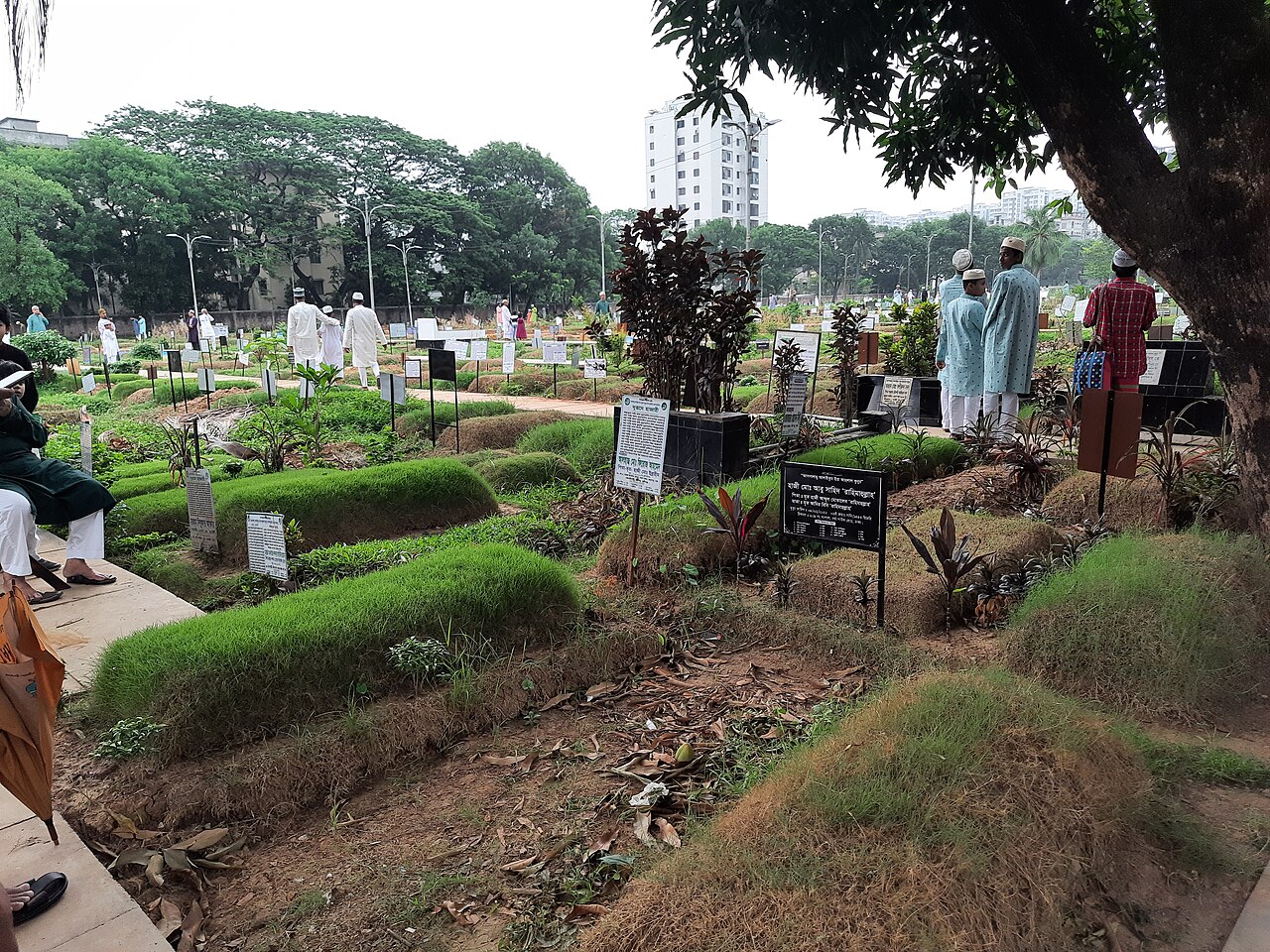
When a person dies, every door to earning reward for themselves closes; in the grave they can no longer pray or give charity, and they wait for the prayers of the living. Sending reward from the living to the dead is called isal-e-sawab in Islam. In Prothom Alo's religion pages, Ehsan Siraj describes the three deeds that most benefit deceased parents.
The first is seeking forgiveness and praying for them. The writer cites a hadith in Sunan Ibn Majah (no. 3660) in which the Prophet (peace be upon him) said a person's rank in Paradise will suddenly be raised, and when he asks why, he will be told it is because his child sought forgiveness for him.
The Quran also teaches the words of the prayer for parents: 'Rabbir hamhuma kama rabbayani saghira', 'My Lord, have mercy on them as they raised me when I was small' (Surah Bani Isra'il, verse 24). The writer calls reciting it after the daily prayers a duty of a good child.
The second is sadaqah jariyah, charity whose benefit lasts: building a mosque, providing water, giving to a religious institution or planting trees. A narration in Sunan al-Nasa'i (no. 3664) tells how the companion Sa'd ibn Ubadah asked, after his mother died, which charity was best; the Prophet said, providing water. Sa'd dug a well and said, 'This is for the mother of Sa'd.'
The writer adds that the living may dedicate the reward of voluntary prayer, fasting, Quran recitation or charity to the dead (Ibn Abidin, Radd al-Muhtar).
The third is keeping good relations with the parents' relatives, such as uncles and aunts, and with their living friends. In the writer's words, this is one of the ways to keep the memory and love of one's parents alive.
Photo: Praying for relatives at Azimpur graveyard, Dhaka, Md. Redwan Hossain / Wikimedia Commons (CC BY-SA 4.0)
Source: Prothom Alo


Comments
(0)