
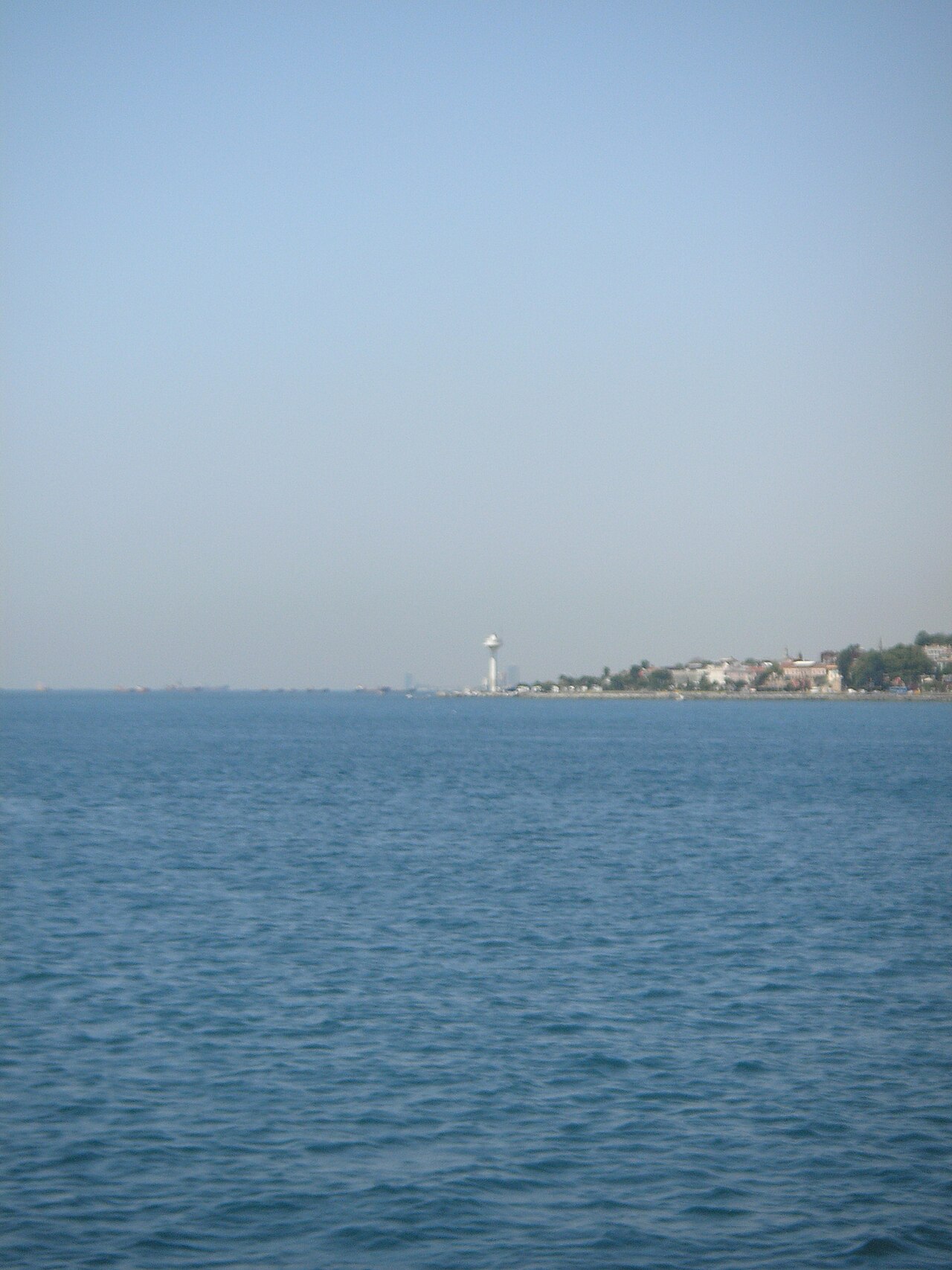
An Ottoman-era mosque that vanished from Istanbul's map about 70 years ago, during the city's expansion, is being rebuilt on the Sarayburnu shore near Topkapi Palace, Ittefaq reports. The work is part of a larger project to restore lost historic buildings, and the mosque is due to reopen next Ramadan.
The mosque was built during the reign of Sultan Suleiman I (Suleiman the Magnificent) between Sarayburnu and Ahirkapi, just outside the palace's sea walls. Known as the Bostancilar Tabhanesi Mosque or the Yedekciler Mosque, it first served the sick among the bostanci guards, who tended and protected the palace's royal gardens, as a place of treatment and prayer. Later it was also used as a quarantine station for sailors arriving by sea and for surgery and other treatment.
Mehmet Ergun Turan, mayor of Fatih municipality, told Anadolu Agency that it was once the only place of prayer outside the historic sea walls, and that its minaret was the first thing travellers saw when approaching the historic peninsula along the Bosphorus.
The building decayed through neglect in the 1930s and its minaret was pulled down in the following decade. When the coastal road was built in the 1950s and the shoreline reshaped, the whole mosque disappeared. In 2019 Fatih municipality used old photographs, maps and engravings to establish its location and form and submitted a reconstruction proposal to the regional conservation board; work on the main structure began after approval.
Under the new plan, buildings attached to the mosque will become a cultural centre with a library and an exhibition hall for an important historical collection, the mayor said. Eight lost mosques in the district have already been rebuilt and opened for prayer, work is under way on 10 more, and planning, approval and archaeological excavation are moving ahead on more than 30 structures.
The mayor said no public money is being spent: the whole cost of rebuilding the mosque comes from private donations. The wider programme will continue to bring back lost Sufi lodges (tekkes), madrasas, Ottoman schools, old fountains and historic burial grounds.
Photo: Sarayburnu (Seraglio Point) and Topkapi Palace seen from the Bosphorus, Gryffindor / Wikimedia Commons (public domain)
Source: Ittefaq

Comments
(0)