
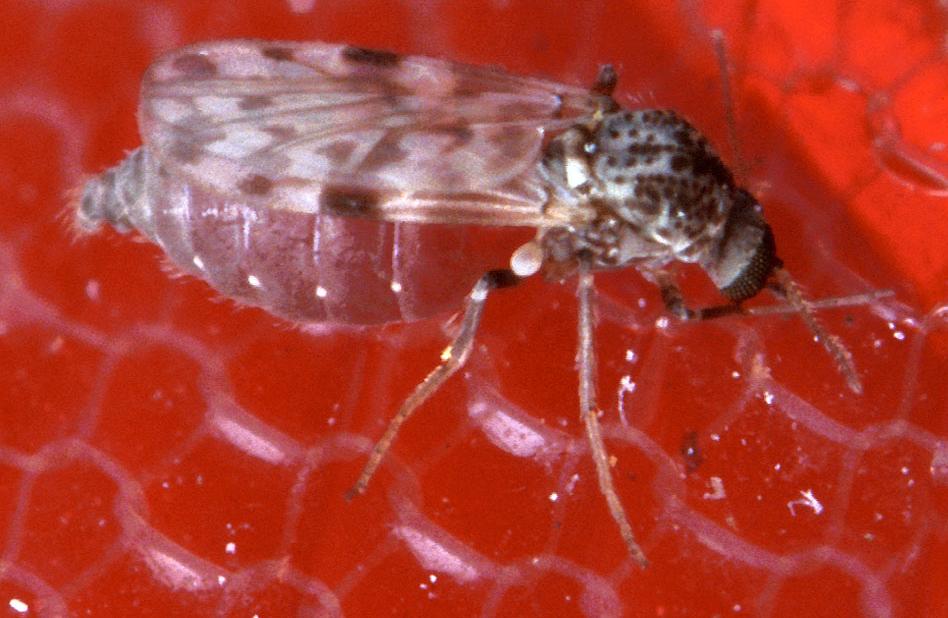
Ireland has confirmed more cases of bluetongue, bringing the national total to 39, the Department of Agriculture, Food and the Marine said on Tuesday, 20 October. Most are in cattle, with three in sheep, and County Wexford is the worst affected with 14 cattle cases and one sheep case.
The country is in the high-risk period for spread. Bluetongue virus is carried by infected biting midges of the Culicoides genus, many species of which are found across the island of Ireland, and how active they are depends on temperature; wind speed and direction can carry them further.
The risk period has traditionally run from April to November, but rising global temperatures and mild winters may keep midges active for longer, extending the window for transmission.
The disease is present across much of Europe. Serotypes 1, 4 and 8 were long found mainly in warmer southern Europe, but serotype 3 (BTV-3) has spread across mainland Europe and Great Britain since autumn 2023, raising the risk for areas that were free of it. Only some countries and territories, mostly in the east of Europe, remain free.
For cattle and sheep keepers, the department's figures are a reason to stay vigilant through the rest of the midge season. The report is by Kathleen O'Sullivan for Agriland.
Photo: Scott Bauer, USDA ARS (biting midge, Culicoides) / Wikimedia Commons (Public domain)
Source: Agriland


Comments
(0)