
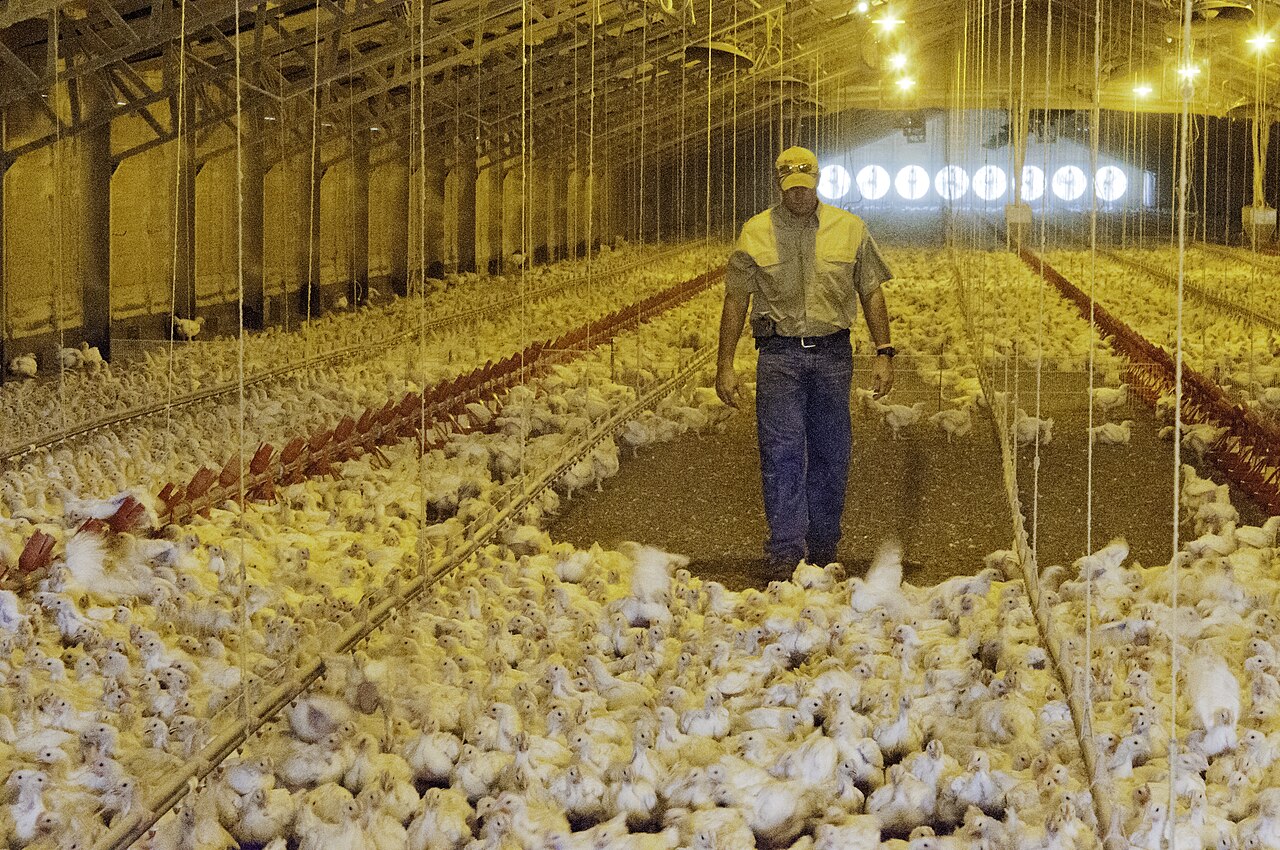
A fast-spreading respiratory disease of chickens and turkeys, avian metapneumovirus (aMPV), is the target of new US research funded with $250,000 from the Foundation for Food & Agriculture Research (FFAR), South Dakota State University and USPOULTRY under FFAR's Rapid Outcomes from Agricultural Research programme, announced on 20 October in Brookings, South Dakota.
Subtypes A and B of the highly contagious virus emerged in the United States in late 2023 and early 2024 and spread quickly across poultry-producing states, causing significant losses. USDA's Center for Veterinary Biologics gave conditional approval to imported live attenuated vaccines based on European strains, but after about a year of use, producers and researchers have questioned how well they protect against the genetically distinct strains circulating in the US.
The first part of the work, led by Dr Sunil Mor, assistant professor of animal disease research at South Dakota State University, will test the imported vaccines against US subtypes A and B in chickens and turkeys, and compare practical ways of giving them: spray, oral delivery and eye drops. "We urgently need to evaluate the efficacy of conditionally approved imported vaccines and their proper application," Mor said.
The second part builds a US option. The team has already developed a live attenuated vaccine candidate from an aMPV-B strain isolated on a US poultry farm, more than 99% genetically identical to the aMPV-B strains found on US farms so far, and earlier FFAR-funded studies showed promising safety, protection and genetic stability.
"This disease is hurting producers and their flocks," said Dr Jasmine Bruno, FFAR's scientific program director, adding that science-based options can help protect animal health, farm profitability and the resilience of US poultry production. The release was carried by American Ag Network.
Photo: USDA (checking broiler hens in a chicken house, Luling, Texas) / Wikimedia Commons (Public domain)
Source: American Ag Network

Comments
(0)