
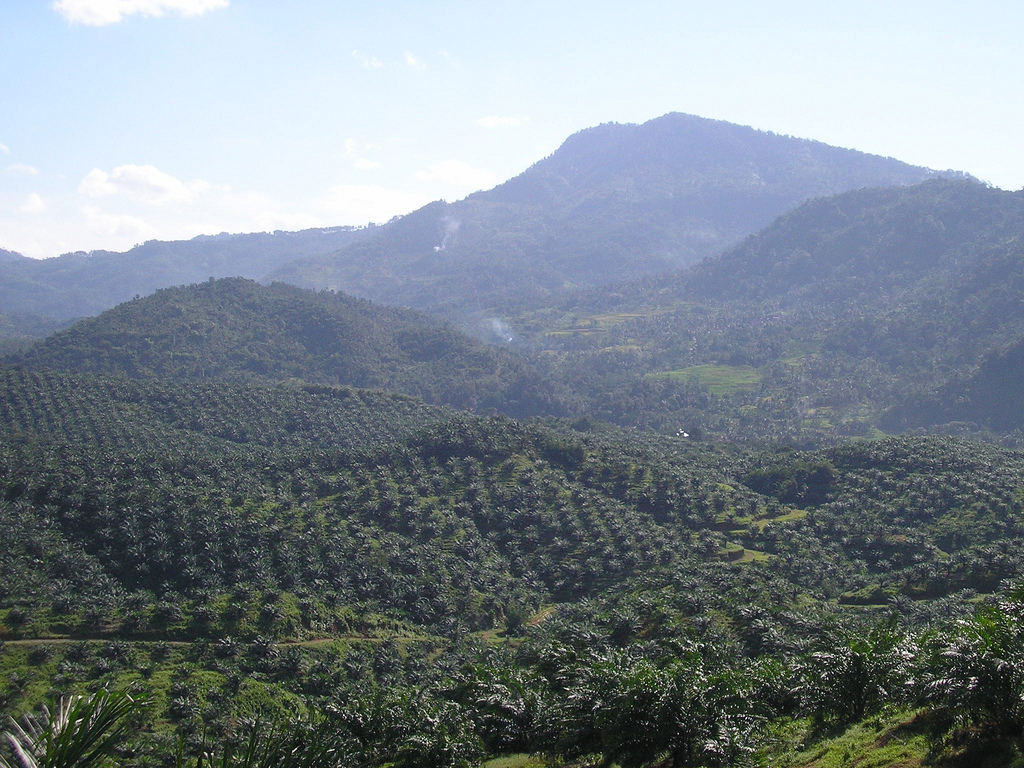
Indonesia, the world's largest palm oil producer, is in the last months of a transition that will hand nearly all palm oil derivative exports to state-owned trading enterprises from 1 January 2027, Global Agriculture reports.
Trade Ministerial Regulation (Permendag) No. 16/2026, in force since 1 June 2026, covers crude palm oil, refined bleached deodorised palm oil and olein, used cooking oil and palm residue. Once full implementation begins, only state export enterprises holding a valid export permit may ship these products. Private exporters can keep export rights by taking part in the domestic market obligation tied to the Minyakita subsidised cooking oil scheme, or by transferring their rights to a designated state enterprise.
Bayu Wicaksono Putro, acting director of agricultural and forestry product exports at the trade ministry, said the product list is unchanged but the channel through which palm oil leaves the country is being tightly reined in. Existing exporters will operate largely as usual until the end of 2026, keeping their customs and foreign exchange reporting and documents in their own names, but must file extra electronic reports with the state traders. The Coordinating Ministry for Economic Affairs will evaluate the system in its first three months.
The government set October's crude palm oil reference price at $1,042.15 a tonne, up 3.44% from September's $1,007.51, giving an export duty of $178 a tonne and a levy of 12.5%, about $130.27 a tonne. Jakarta says the overhaul strengthens state exporters without disrupting a trade worth more than $20 billion a year.
Palm oil is the most widely traded vegetable oil and a key input for food processing, cooking oil and biodiesel, so importers such as India will watch the evaluation period for bottlenecks or price distortions as the new system scales up.
Photo: Achmad Rabin Taim / Wikimedia Commons (CC BY 2.0)
Source: Global Agriculture


Comments
(0)