
India produces most of the protein it eats, but its food system is exposed to disruptions in fertiliser imports, falling groundwater and unequal access to nutritious food, according to the new Protein Sovereignty Index, Shagun reports in Down To Earth. India ranked 17th of 43 countries and regions with 62.1 points out of 100, in the "exposed" category, one level below "resilient", which needs 65.
The index, released on 16 October by Full Circle Biotechnology and reviewed by researchers from Chatham House, the International Food Policy Research Institute, the Overseas Development Institute, StoneX and the University of Stirling, finds that India's weakness lies less in importing protein foods than in the foreign inputs needed to grow them. Imports make up 68.6 percent of its fertiliser supply by value. India has no viable potash reserves, imports more than 90 percent of its rock phosphate, and makes urea from imported natural gas. "This year's closure of the Strait of Hormuz, through which around a third of the world's seaborne fertiliser passes, showed why this matters," the report says.
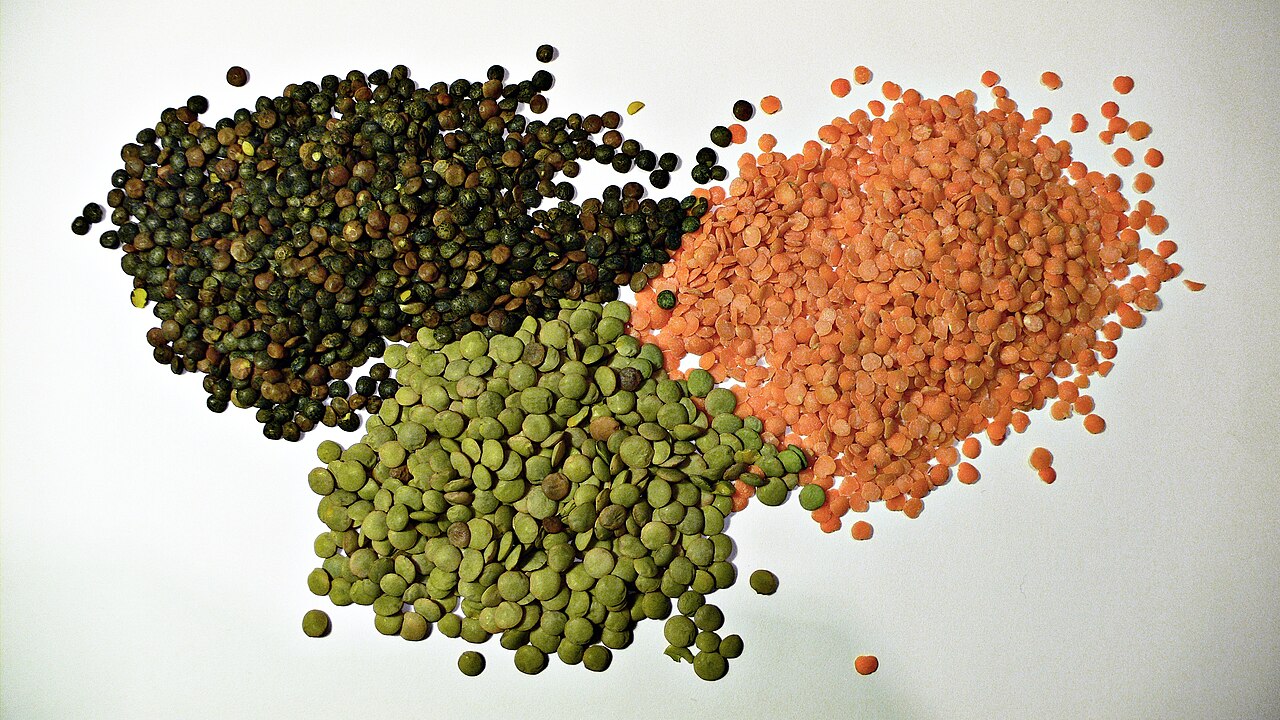
Pulses show the strain. India imported a record 7.34 million tonnes in 2024-25, about a fifth of domestic supply, while the area under pulses fell from 30.6 million hectares in 2021-22 to 26.9 million in 2024-25. Groundwater supplies nearly 60 percent of irrigation, and renewable freshwater per person is 1,014 cubic metres, below the 1,700 cubic metre water-stress line. The report also warns that a possible strong El Niño could add pressure, and that warm seas off Peru have pushed fishmeal, a key feed ingredient, to record prices.
Affordability is the other gap. An estimated 520.1 million people, 35.5 percent of the population, could not afford a healthy diet in 2025, according to FAO's SOFI 2026 report. The richest tenth of households eat 1.5 times as much protein as the poorest tenth, and poorer households eat only 38 percent of the recommended amount of eggs, fish and meat.
Protein is essential for growth, tissue repair and the making of hormones and enzymes, according to the World Health Organization, and too little can contribute to malnutrition in children. India's task, the findings suggest, is to make its protein supply less exposed to outside shocks, lighter on natural resources and more affordable for households.
Photo: Justinc (red, green and puy lentils) / Wikimedia Commons (CC BY-SA 2.0)
Source: Down To Earth

Comments
(0)