
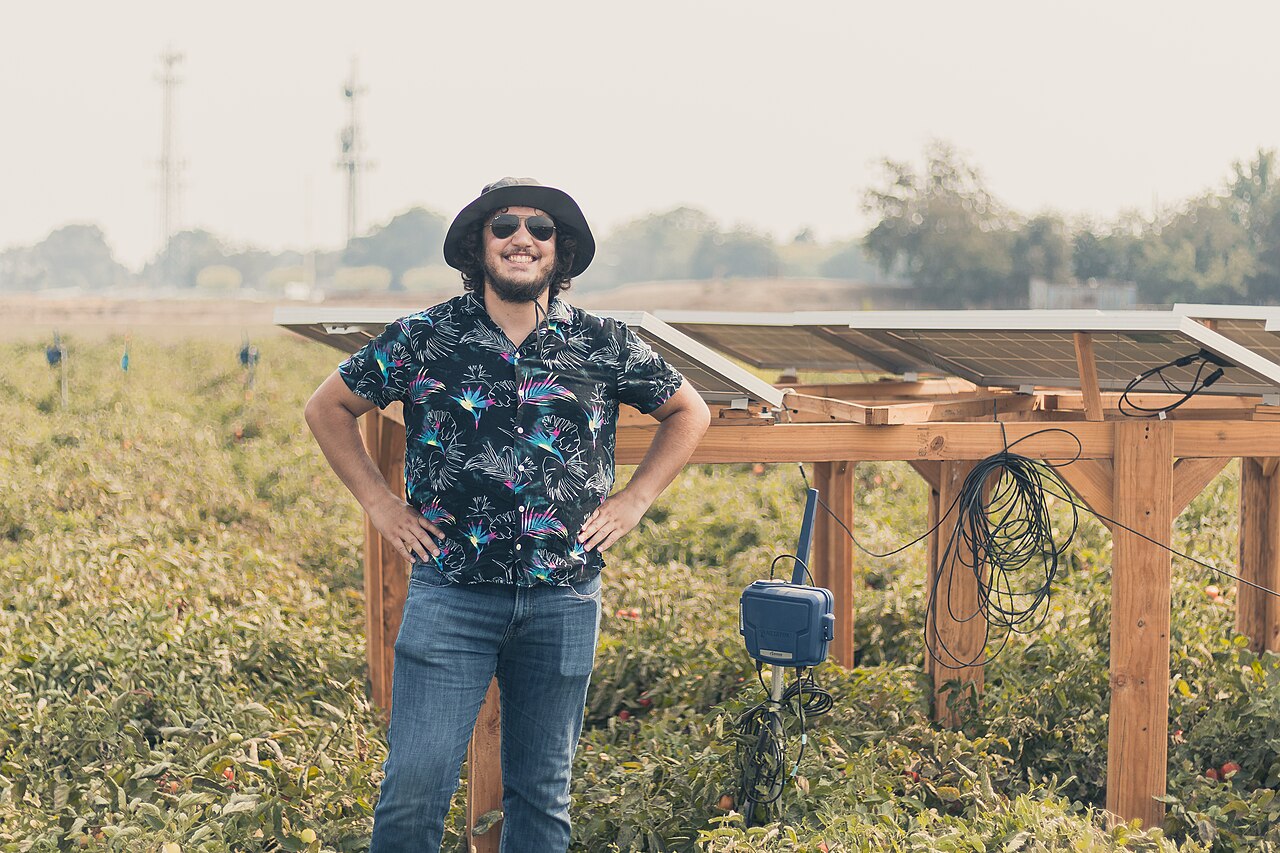
India will soon launch an agrivoltaics programme, growing crops and generating solar power on the same land, under the next phase of its PM-KUSUM farm solar scheme, New and Renewable Energy Minister Pralhad Joshi told the 7th Agrivoltaics World Conference at Bharat Mandapam in New Delhi. It is the first time the conference has been held in the Global South.
Agriculture Minister Shivraj Singh Chouhan said the policy must work for the more than 85% of Indian farmers with small and marginal holdings, so that they can sell solar power without losing crop output. Panel height, the spacing of supports and room for ploughing must let farmers cultivate efficiently and change crops when they need to, he said, and systems need drainage and rainwater harvesting to prevent erosion.
Chouhan also asked for reliable power purchase, grid connections and transparent, timely payments, a role for farmer producer organisations, and training for rural youth and women to run and repair the equipment. Farmers should be protected from financial or physical liability if a company abandons a project or panels must be removed when a contract ends, he said.
Joshi cited a study by The Energy and Resources Institute (TERI) finding 47.5 million of India's 116 million hectares of farmland technically suitable for agrivoltaics, about half of it in Maharashtra, Rajasthan, Andhra Pradesh, Madhya Pradesh, Karnataka and Uttar Pradesh. Using just 10% of that land could meet India's projected electricity demand to 2050, he said, citing studies that also suggest crop yield gains of 10% to 20% and about 332,000 full-time local jobs. Some 3 million farm pumps already run on solar power under PM-KUSUM, giving farmers daytime irrigation.
The conference, under the theme Powering the Global South, is organised by India's renewable energy ministry with Germany's environment ministry, and technical tools for field-level agrivoltaics decisions were launched there. The report is by Ajeet Singh.
Photo: UC Davis College of Engineering / Wikimedia Commons (CC BY 2.0)
Source: Rural Voice

Comments
(0)